
Learn about treatment suitability, possible risks and blood pressure management before surgery.
High blood pressure (hypertension) is a common long-term condition, particularly among middle-aged and older adults. If you have lost one or more teeth, you may want to restore your ability to chew with dental implants but wonder whether a history of hypertension makes treatment unsuitable.
Having high blood pressure does not necessarily mean you cannot have dental implants. Many people whose blood pressure is well controlled may be able to undergo treatment following a thorough clinical assessment.
However, implant treatment in people with hypertension requires particular attention to their general health, blood pressure control, current medications and appropriate monitoring during surgery.
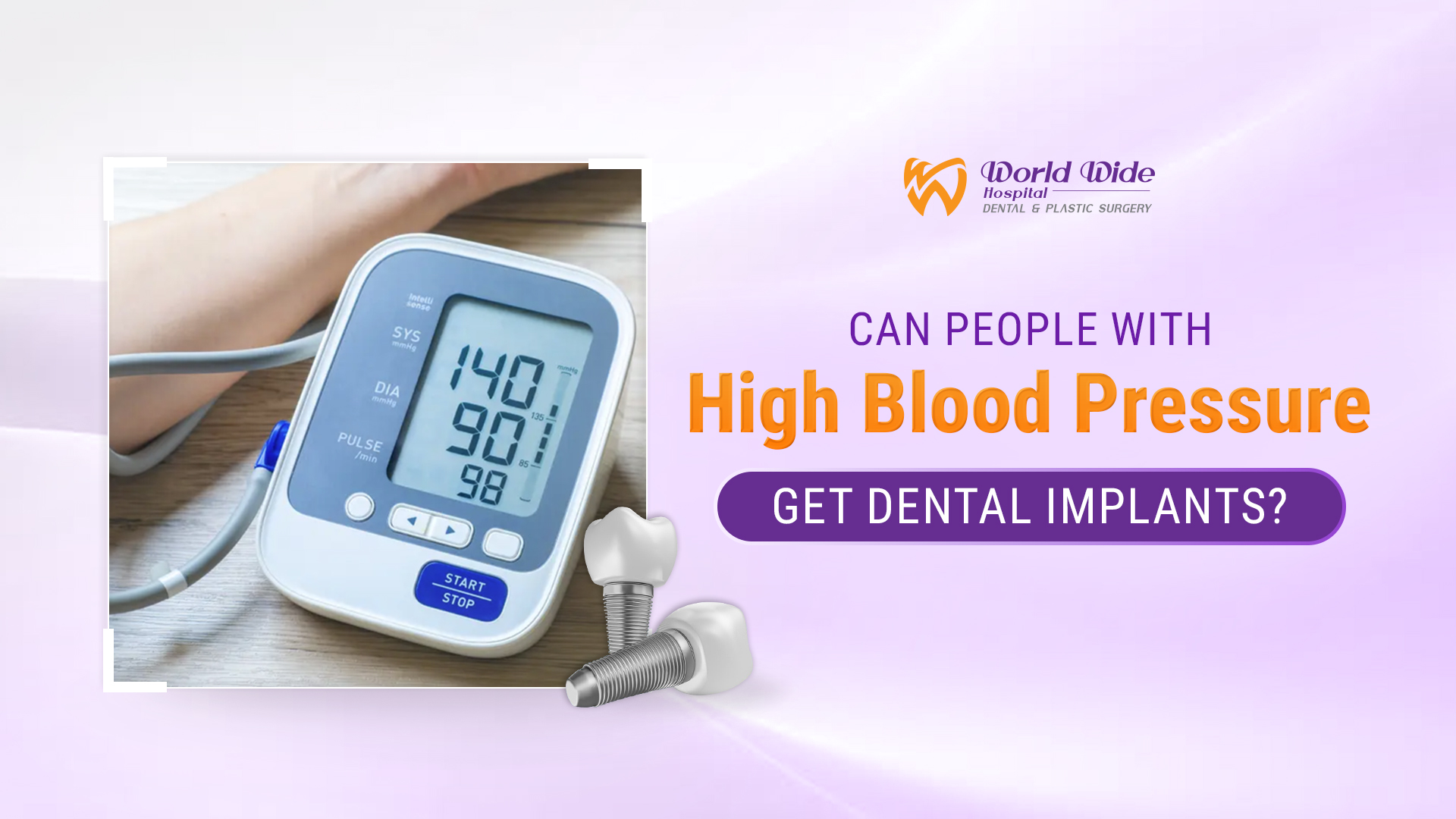
1. Can You Get Dental Implants if You Have High Blood Pressure?
Yes, it may be possible. Hypertension is not an absolute contraindication to dental implant placement.
If blood pressure is stable and well controlled, and there are no acute cardiovascular conditions or unresolved risk factors, a dentist may consider implant treatment after a clinical assessment.
The decision depends on several factors:
- Blood pressure at the consultation.
- How stable blood pressure has been recently.
- History of heart disease, stroke or kidney disease.
- Current medications.
- Jawbone condition and oral health.
- Number of implants required.
- Expected complexity and duration of surgery.
People whose blood pressure fluctuates considerably or remains frequently elevated, as well as those with other significant medical conditions, require particularly careful assessment before treatment.
2. Why Does High Blood Pressure Matter During Dental Implant Treatment?
2.1. Anxiety Can Temporarily Raise Blood Pressure
Preparing for dental surgery can make some people feel anxious. Stress increases the release of hormones such as adrenaline, which can temporarily raise heart rate and blood pressure.
This response warrants particular attention in patients with hypertension, especially when their blood pressure is not well controlled. Helping patients feel comfortable, managing pain appropriately and monitoring blood pressure are therefore important parts of care.
2.2. Uncontrolled Blood Pressure May Increase Surgical Risks
Dental implant placement involves surgery on the jawbone and soft tissues. If blood pressure is significantly elevated or unstable, the dentist needs to assess the patient’s cardiovascular status, potential bleeding concerns and overall ability to tolerate surgery.
Not everyone with hypertension experiences complications. Nevertheless, elective procedures such as implant placement should take place only after the person’s health has been appropriately assessed and managed.
2.3. Some Medications Can Affect Surgical Planning
People with hypertension may take blood pressure medication as well as medicines for other cardiovascular conditions. Some also take anticoagulants or antiplatelet medicines prescribed by their doctor.
These medicines can influence plans for managing bleeding and choosing medications during dental treatment.
Do not stop taking blood pressure medication, anticoagulants or other heart medicines on your own before implant surgery. Any changes must be directed by the treating doctor.

3. What Blood Pressure Levels Are Suitable for Dental Implant Surgery?
This is a common concern for people with hypertension. The American Dental Association (ADA) outlines general blood pressure considerations for dental treatment, including elective procedures.
| Blood Pressure | General Dental Care Considerations |
| Below 160/100 mmHg | Routine dental treatment may proceed if the patient’s overall health is suitable. |
| 160/100 mmHg or higher | Repeat the measurement. If blood pressure remains elevated, elective dental treatment should be postponed pending medical consultation, unless appropriate guidance from a physician allows treatment to proceed. |
| Systolic pressure above 180 mmHg or diastolic pressure above 100 mmHg | Prompt medical evaluation is recommended. If accompanied by concerning symptoms, urgent medical assessment is required. |
These are reference thresholds for dental assessment, not independent eligibility criteria for implant surgery. A single reading does not provide a complete picture. People with cardiovascular disease or other medical conditions may need a more cautious approach.
If very high blood pressure is accompanied by chest pain, shortness of breath, changes in vision or unusual neurological symptoms, emergency medical assessment takes priority over the planned dental procedure.
4. How Should People With High Blood Pressure Prepare for Implant Surgery?
4.1. Keep Blood Pressure Well Controlled
Continue managing hypertension as prescribed by your treating doctor. If you regularly measure your blood pressure at home, bring recent readings to your dental appointment.
Do not increase, reduce or stop medication on your own simply to achieve a particular blood pressure reading before surgery.
4.2. Provide Your Medical History and Medication List
At your consultation, tell the dental team about:
- When you were diagnosed with hypertension.
- Your recent blood pressure readings.
- Medications you currently take.
- Any history of heart disease or stroke.
- Other conditions, such as diabetes or kidney disease.
- Any allergies or previous surgical complications.
If you take anticoagulants or antiplatelet medicines, let your dentist know so that bleeding can be managed appropriately. These medications do not necessarily need to be stopped for many dental procedures. Any changes should be coordinated with the prescribing doctor.
4.3. Have an Appropriate Preoperative Health Assessment
Depending on the severity of hypertension and your overall health, additional assessments may be recommended.
Not everyone needs the same set of tests. The appropriate assessment depends on medical history, the planned procedure and the proposed method of anaesthesia.
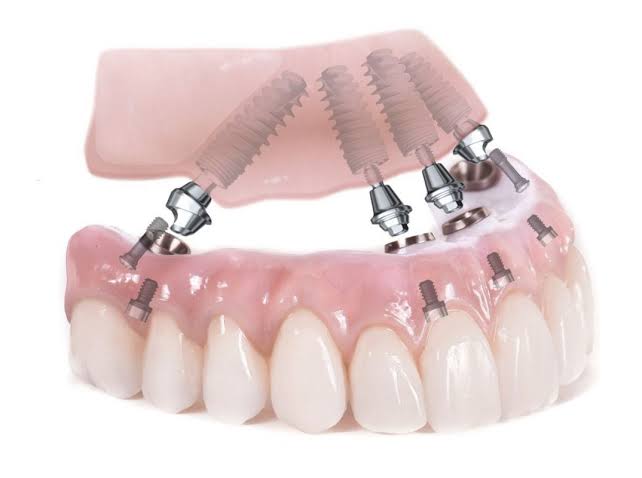
5. What Does Implant Treatment Involve for Patients With Hypertension?
Step 1: Dental Examination and General Health Assessment
The dentist examines the areas of missing teeth and oral health and reviews the patient’s history of hypertension. Blood pressure is measured and assessed to determine whether treatment can proceed or the underlying condition needs further management.
Step 2: 3D Cone Beam CT Imaging and Implant Planning
Three-dimensional cone beam computed tomography (CBCT) can help the dentist assess:
- The volume and structure of the jawbone.
- The position of important anatomical structures.
- The proposed implant positions.
- Whether bone grafting or other supporting procedures may be required.
Planning in advance helps the dentist prepare for surgery and minimise unnecessary intervention.
Step 3: Developing a Suitable Surgical Plan
For patients with hypertension, the dentist considers the likely duration of surgery, pain management and extent of treatment.
The use of local anaesthetics containing a vasoconstrictor also needs to be assessed in light of each patient’s cardiovascular health. Not every patient with hypertension needs to avoid these anaesthetics entirely.
For patients with complex medical conditions, the dental surgeon may need to coordinate care with other relevant specialists before proceeding.
Step 4: Monitoring During Implant Placement
During surgery, the dental team manages pain, helps reduce anxiety and monitors vital signs as appropriate for the patient’s health, type of anaesthesia and extent of the procedure.
If blood pressure changes abnormally, the team assesses the situation and responds as clinically appropriate.
Step 5: Postoperative Care and Follow-up
After implant placement, follow instructions about medications, oral hygiene, eating and follow-up appointments. It is also important to continue managing blood pressure according to your existing medical treatment plan.
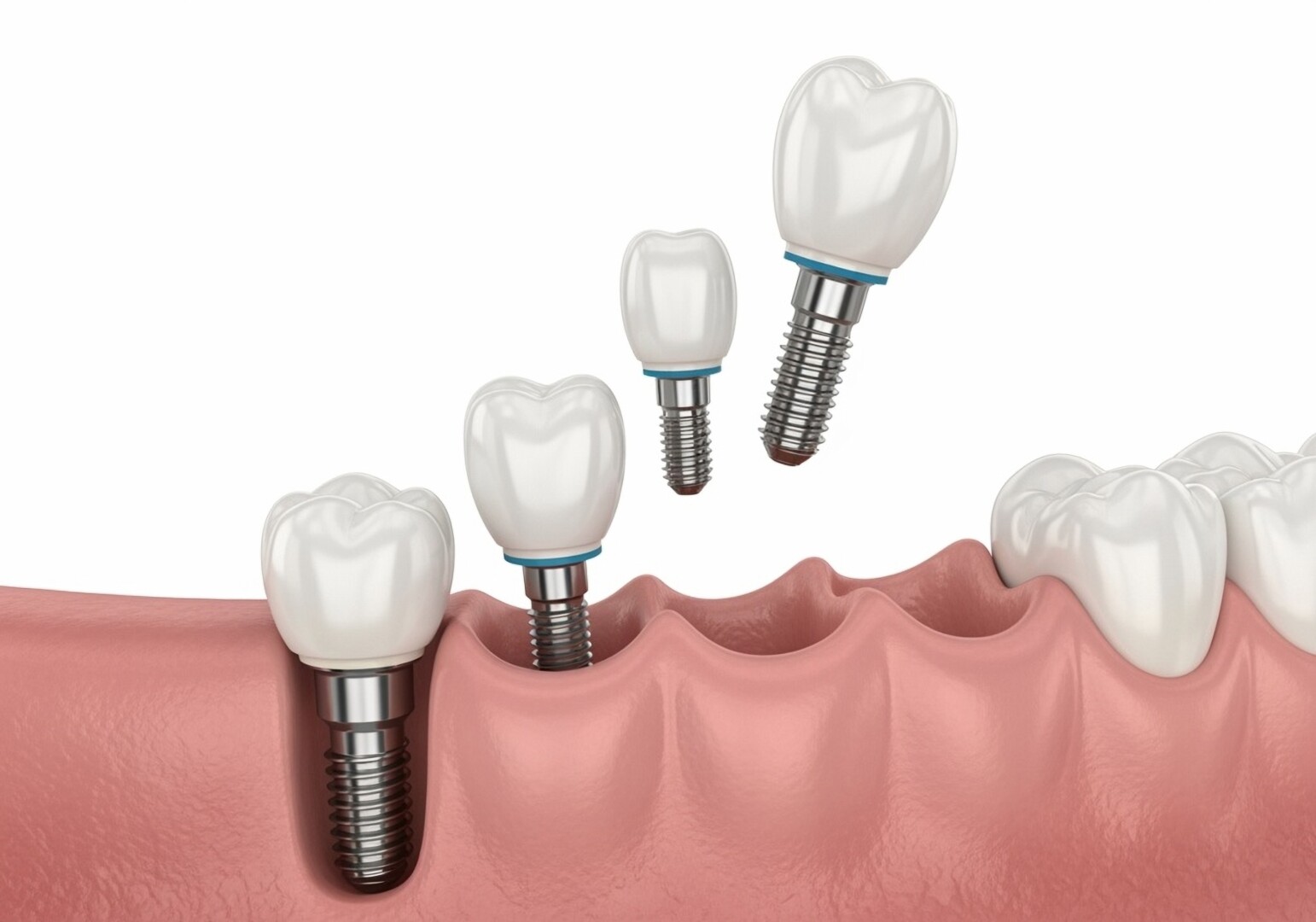
6. Can People With High Blood Pressure Have Full-Arch Dental Implants?
Full-arch treatment often involves more extensive surgery than single implant placement. Some cases may require multiple tooth extractions, sinus lifts, or bone reconstruction procedures.
The dentist therefore needs to assess:
- How well blood pressure is controlled.
- The patient’s ability to tolerate surgery.
- Any associated cardiovascular conditions.
- The expected duration and complexity of treatment.
- The use of local anaesthesia, sedation or general anaesthesia, if indicated.
- Requirements for monitoring and postoperative care.
7. Why Is Choosing an Appropriate Implant Provider Important?
For people with underlying medical conditions, choosing a treatment provider involves more than comparing implant brands or restorative technology.
The provider’s ability to assess general health before surgery, develop an appropriate treatment plan and monitor patients during the procedure also matters.
The facility should have the resources and arrangements appropriate to its authorised scope of practice, including plans for responding to unexpected situations.
For patients with multiple or complex medical conditions, coordination between healthcare specialties may play an important role in treatment decisions.
8. Implant Treatment for Patients With Underlying Conditions at Worldwide Dental Hospital
Medical Assessment and Personalised Treatment Planning
At Worldwide Dental Hospital, patients with a history of hypertension undergo a medical history review, health assessment and evaluation of relevant factors before an implant treatment plan is developed.
Depending on the patient’s circumstances, further assessment or consultation with another specialist may be recommended to determine an appropriate time for surgery.
The aim is to plan tooth replacement with consideration for both jawbone conditions and general health, rather than focusing only on the missing teeth.
Operating Facilities and Clinical Team
Worldwide Dental Hospital has operating facilities, surgical support equipment and a clinical team for implant procedures ranging from single implants to full-arch treatment.
When sedation or general anaesthesia is required, Worldwide Dental Hospital is equipped to provide these services within its approved scope of practice, with appropriate anaesthetic assessment and monitoring.
These considerations are especially relevant to complex surgery or patients requiring closer monitoring.
Technology Supporting Implant Planning
Three-dimensional cone beam CT, digital restorative technology and an in-house CAD/CAM laboratory help dentists plan treatment from implant surgery through to the final restoration.
For patients with hypertension, careful treatment planning is also important in determining the appropriate scope and expected duration of surgery.

9. Frequently Asked Questions
Can I Have Dental Implants if I Take Blood Pressure Medication Every Day?
Possibly, if your blood pressure is controlled and your overall health is suitable. Provide a complete list of your medications for assessment before surgery.
Can I Have Dental Implants if My Blood Pressure Is 150/90 mmHg?
A reading of 150/90 mmHg does not automatically rule out implant treatment. Your dentist needs to consider repeat readings, overall blood pressure control, other medical conditions and the planned procedure before deciding.
Does High Blood Pressure Make Dental Implants More Likely to Fail?
Having hypertension does not automatically mean an implant is more likely to fail. Implant prognosis depends on several factors, including general health, jawbone condition, gum disease, smoking, surgical technique and postoperative care.
Should I Stop Taking Blood Pressure Medication Before Implant Surgery?
Do not stop medication on your own. Most patients need to continue managing their blood pressure as prescribed. Any medication adjustments around the time of surgery must be determined by an appropriately qualified doctor.
Conclusion
People with high blood pressure may still be able to have dental implants if their health is appropriately managed and they are suitable for surgery. Hypertension is not an absolute contraindication, but underlying medical conditions must still be carefully assessed.
The key considerations are blood pressure stability, any accompanying medical conditions and the most appropriate surgical approach for each patient.
At Worldwide Dental Hospital, patients are assessed before an implant treatment plan is developed, with particular attention to health factors that may affect surgery.
If you have one or more missing teeth and are concerned about hypertension, book a consultation at Worldwide Dental Hospital to have your health and jawbone assessed and discuss suitable tooth replacement options.