
Wondering how long porcelain veneers last in Vietnam’s tropical climate? This in-depth guide explains durability, materials, climate effects, maintenance tips, and expert recommendations from Worldwide Dental Hospital in Ho Chi Minh City.
Introduction: Veneers and Vietnam’s Tropical Weather
Porcelain veneers are known for their strength, natural beauty, and long lifespan. Many international patients travel to Vietnam for high-quality veneer treatments at more affordable prices. But a common question arises: Does Vietnam’s hot, humid, tropical climate affect how long veneers last?
While climate can influence certain dental materials, modern porcelain veneers are engineered to withstand a wide range of environmental conditions. Their durability depends far more on factors like dental technique, oral hygiene, bite alignment, and the quality of the porcelain—not the weather.
However, understanding how humidity, temperature, and lifestyle habits in Vietnam may affect your veneers helps ensure the best long-term outcome.
This guide explains everything you need to know about veneer longevity in Vietnam’s climate, based on clinical experience at Worldwide Dental Hospital.
How Long Do Porcelain Veneers Typically Last?
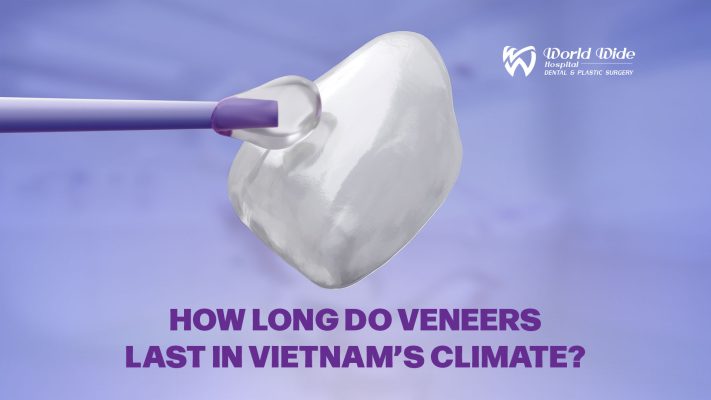
High-quality porcelain veneers generally last 10–15 years, and in many cases even longer when properly maintained. Some patients enjoy their veneers for more than 20 years without needing replacement.
The longevity depends on several factors:
- The type and quality of porcelain used
- The dentist’s preparation technique
- The precision of bonding
- The patient’s bite alignment
- Care and maintenance
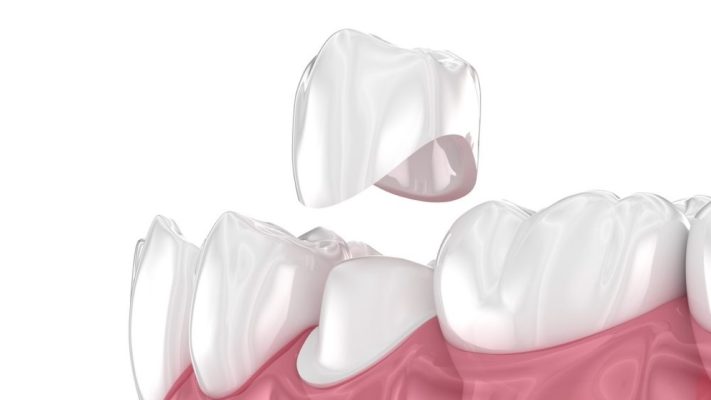
Porcelain veneers are extremely resistant to staining, heat, chemical erosion, and daily wear. They are non-porous, which means they do not absorb moisture—even in tropical humidity.
Does Vietnam’s Climate Affect Veneers?
Understanding Vietnam’s Weather Conditions
Vietnam’s climate is:
- Hot and humid for most of the year
- High in moisture levels
- Prone to sudden temperature changes when moving between outdoor heat and indoor air-conditioning
- Home to foods and drinks that may affect natural teeth
While this environment can be challenging for natural enamel, it has very little direct impact on porcelain veneers.

Why Porcelain Veneers Are Stable in Tropical Conditions
Porcelain is a highly stable biomaterial. It does not expand, contract, or absorb water the way natural teeth do. This material is fired at extremely high temperatures, making it resilient to:
- Moisture
- Heat
- Color changes
- Chemical exposure
So even in Vietnam’s tropical climate, the porcelain itself stays stable, strong, and resistant.
Which Factors Actually Matter More Than Climate
The real sources of veneer damage in Vietnam are not the climate but habit-related factors, such as:
- Chewing on hard foods like hạt điều, xương giòn, đá viên
- Frequently drinking dark beverages (cà phê, trà đen)
- Grinding teeth during sleep
- Poor brushing habits
- Gum inflammation
The weather may influence comfort levels or hydration, but it does not damage veneers directly.
Factors That Influence Veneer Longevity in Vietnam
Below are the main factors that determine how long veneers last, more significant than climate.
Quality of the Porcelain Material
Higher-grade porcelain offers superior durability and translucency. Materials like Emax or layered zirconia-based ceramics resist chipping and cracking better than older porcelain types. At Worldwide Dental Hospital, veneers are fabricated using CAD/CAM technology and controlled in-house for maximum strength.
Bonding Strength
The adhesive layer between the veneer and tooth plays an important role. High-quality bonding materials resist:
- Heat
- Humidity
- Saliva enzymes
Poor bonding can lead to lifting edges, staining, and eventual veneer failure.
Gum Health
Healthy gums create a stable foundation for veneers. Gum recession or inflammation can expose veneer edges and reduce aesthetics or bonding strength.
Bite Alignment
An unbalanced bite can shorten veneer lifespan. Patients who grind, clench, or have uneven bite pressure may experience:
- Veneer chipping
- Fracture along the edges
- Loosening or debonding
Night guards are recommended for grinding habits.
Oral Hygiene Habits
Even though veneers do not decay, the natural teeth underneath still require maintenance. Poor hygiene can lead to gum disease, cavity formation around veneer edges, and early failure.
Do Veneers Stain in Vietnam?
Porcelain Veneers Do Not Stain Easily
Porcelain is highly stain-resistant. Vietnamese lifestyle includes stain-causing foods like:
- Cà phê phin
- Trà đá
- Nước mắm
- Món nướng, gia vị đậm màu
But porcelain veneers are non-porous, so these substances cannot penetrate the material.
What CAN Stain the Edges?
While the porcelain remains bright, the margins near the gumline can stain if:
- Plaque buildup occurs
- Gums are inflamed
- Oral hygiene is inconsistent
This is why regular cleaning and professional polishing at Worldwide Dental Hospital are essential.
Do Veneers Feel Uncomfortable in Hot or Humid Weather?
Temperature Sensitivity
Patients with veneers rarely feel sensitivity from climate changes. If sensitivity occurs, it is usually due to:
- Exposed dentin from enamel reduction
- Pre-existing gum recession
- Temporary bonding phase
Once the veneers are fully bonded, the porcelain acts as a protective layer that shields the tooth.
Humidity and Adhesive Stability
High humidity does not weaken veneer adhesives. Modern dental bonding agents harden through polymerization and are moisture-resistant once cured.
How to Maintain Veneers in Vietnam for Long-Lasting Results
1. Brush Twice Daily and Floss Regularly
Maintaining gum health and preventing plaque buildup ensures veneers stay stable and bright. Veneers themselves do not decay, but the tooth underneath can.
2. Minimize Hard or Crunchy Foods
Many popular Vietnamese snacks—khô gà, hạt điều, mía, mì cay topping—can cause veneer edges to chip if bitten too aggressively. Biting with the front teeth should be limited for very hard foods.
3. Reduce Highly Pigmented Drinks
Even though veneers resist staining, the gumline and natural teeth behind them do not. Limiting:
- Cà phê đen
- Trà đặc
- Rượu vang đỏ
helps keep the smile uniform.
4. Wear a Night Guard if You Grind Your Teeth
Grinding is one of the main causes of veneer wear and fracture. A custom night guard protects the veneers from pressure and friction.
5. Visit Worldwide Dental Hospital Every Six Months
Professional cleanings ensure the bonding margins remain polished and healthy. Dentists also check:
- Gum health
- Bite pressure distribution
- Veneer surface condition
These visits are essential for long-term success—especially in Vietnam’s humidity, where plaque forms more quickly.

How Long Do Veneers Last for International Patients in Vietnam
Many foreign patients choose Vietnam for dental tourism due to:
- Lower prices
- Modern technology
- Skilled cosmetic dentists
- Fast turnaround time
With proper care, veneers placed in Vietnam last just as long as those in Australia, the U.S., or Europe. At Worldwide Dental Hospital, many international patients return after 10–15 years for maintenance or upgrades.
Vietnam’s climate does not shorten veneer lifespan, but lifestyle habits may—so personalized aftercare instructions are always provided.
Why Choose Worldwide Dental Hospital for Veneers
Worldwide Dental Hospital is one of Vietnam’s leading centers for veneer treatment, trusted by international patients across Asia, Europe, Australia, and the U.S.
What Makes the Hospital a Top Choice
- In-house CAD/CAM veneer laboratory
- Experienced cosmetic dentists specializing in foreign patients
- Digital Smile Design for accurate aesthetic planning
- High-quality porcelain materials used in top global clinics
- Strict sterilization and international protocols
- Fast turnaround time ideal for travelers
- Transparent pricing with no hidden costs
Every veneer is designed to match your facial features, lip line, and personal aesthetic goals.

Conclusion
Vietnam’s tropical climate does not shorten the lifespan of porcelain veneers. Modern veneers are extremely durable, moisture-resistant, and stable under heat and humidity. Longevity depends more on oral hygiene, bite alignment, dentist expertise, and material quality rather than weather conditions.
With proper care and routine checkups at Worldwide Dental Hospital, your veneers can remain beautiful and functional for 10–15+ years—even longer.
📞 Contact Worldwide Dental Hospital: (+84) 922.253.888
Start your veneer evaluation and enjoy a long-lasting, radiant smile in Vietnam.