
A complete guide to the 10 most common dental problems—what causes them and how to prevent them. Written for international patients seeking reliable dental care in Vietnam, with professional insights from Worldwide Dental Hospital.
Introduction
Dental problems are extremely common and can affect anyone, regardless of age, lifestyle, or location. Many of these issues start quietly, showing only mild symptoms at first. However, when left untreated, they can progress into more serious oral health concerns that require complex treatment.
Understanding the most frequent dental problems—and how to prevent them—helps you maintain strong, healthy teeth for life. This guide explains the top 10 issues dentists encounter every day, along with prevention strategies backed by clinical experience at Worldwide Dental Hospital.
Tooth Decay (Cavities)
What It Is
Tooth decay occurs when bacteria in dental plaque break down sugar and produce acids. These acids soften and erode enamel, eventually creating holes (cavities).
Why It Happens
- Frequent snacking on sugary or starchy foods
- Poor brushing technique that leaves plaque behind
- Dry mouth that reduces natural saliva protection
How to Prevent It
- Brush twice daily with fluoride toothpaste to strengthen enamel
- Reduce sugary drinks and snacks that feed harmful bacteria
- Visit the dentist every 6 months for early detection
Preventing decay is always easier and cheaper than treating advanced cavities.
Gum Disease (Gingivitis and Periodontitis)
What It Is
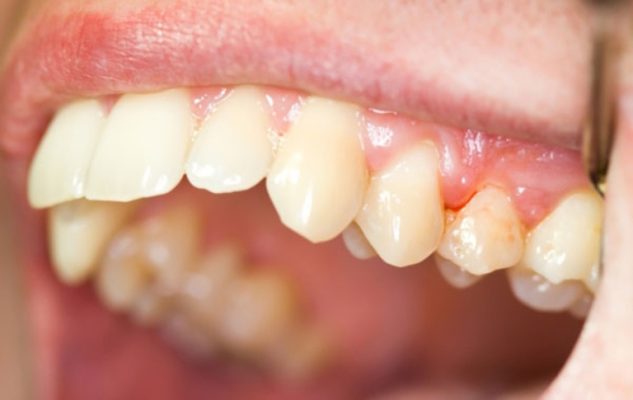
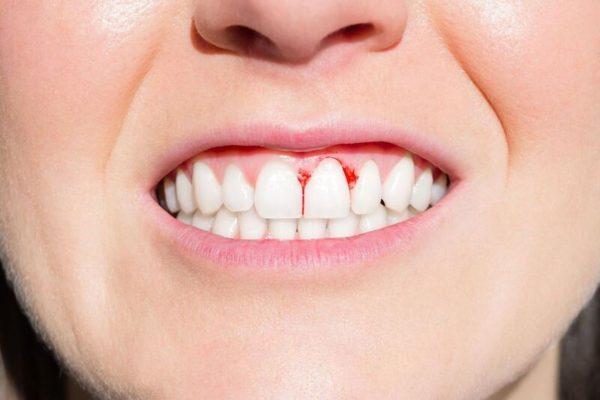
Gum disease begins as gingivitis—red, swollen gums that bleed easily. If untreated, it progresses to periodontitis, a more serious condition where the bone supporting teeth begins to deteriorate.
Why It Happens
- Plaque buildup along the gumline
- Smoking, which weakens immune response in the gums
- Hormonal changes, pregnancy, stress, or certain medications
How to Prevent It
- Schedule regular scaling and polishing to remove plaque and tartar
- Quit smoking to improve gum health and healing
- Brush gently along the gumline to clean where plaque accumulates
Worldwide Dental Hospital sees gum disease as one of the most common preventable conditions.
Tooth Sensitivity
What It Is
Sensitivity happens when enamel thins or gums recede, exposing the dentin layer underneath. This causes discomfort when eating something hot, cold, sweet, or acidic.
Why It Happens
- Aggressive brushing wearing away enamel
- Teeth grinding that exposes dentin
- Gum recession from untreated gum disease
How to Prevent It
- Use a soft-bristled brush and avoid scrubbing hard
- Choose desensitizing toothpaste to protect nerve endings
- Treat gum disease early to prevent recession
A dentist can recommend whether sensitivity is mild or a sign of deeper issues like cracks or decay.
Bad Breath (Halitosis)
What It Is
Chronic bad breath is often caused by bacterial buildup in the mouth or underlying dental issues.
Why It Happens
- Poor oral hygiene
- Dry mouth
- Gum disease or cavities trapping debris
How to Prevent It
- Clean the tongue daily to remove odor-causing bacteria
- Drink more water to maintain saliva flow
- Treat gum disease or infections early
Bad breath is usually a warning sign rather than a standalone issue.
Tooth Erosion
What It Is
Tooth erosion occurs when acid gradually wears down enamel. Unlike decay, erosion is not caused by bacteria but by acidic exposure.
Why It Happens
- Frequent consumption of acidic drinks like soda or citrus juices
- Acid reflux bringing stomach acids into the mouth
- Eating habits such as sucking on lemons
How to Prevent It
- Limit acidic foods and rinse with water afterward
- Avoid brushing immediately after acidic meals
- Ask your dentist whether fluoride treatments would help strengthen enamel
Worldwide Dental Hospital often advises enamel-protecting treatments in patients with early signs of erosion.
Cracked or Chipped Teeth
What It Is
Cracks or chips occur when enamel breaks due to trauma, clenching, chewing hard foods, or aging.
Why It Happens
- Biting on hard objects like ice or nuts
- Accidents during sports
- Night grinding that stresses enamel
How to Prevent It
- Wear a mouthguard during sports or if you grind at night
- Avoid chewing hard objects that strain enamel
- Seek early treatment if cracks appear to prevent further damage
Early repair prevents deeper fractures that may require crowns or root canal therapy later.
Teeth Grinding (Bruxism)
What It Is
Grinding or clenching teeth—often while sleeping—can wear down enamel and strain the jaw joints.
Why It Happens
- Stress and anxiety
- Misaligned bite
- Sleep disorders
How to Prevent It
- Use a custom nightguard to protect teeth
- Manage stress through relaxation or therapy
- Treat bite misalignment if it’s contributing to bruxism
Dentists can identify grinding by checking enamel wear patterns.
Stained or Discolored Teeth
What It Is
Stains may be superficial (on the enamel) or deep (inside the tooth structure).
Why It Happens
- Coffee, tea, red wine, curry, tobacco
- Aging, which naturally darkens dentin
- Medication such as tetracycline during childhood
How to Prevent It
- Brush shortly after staining meals
- Avoid excessive tobacco or dark-colored drinks
- Choose professional whitening for deeper stains
At Worldwide Dental Hospital, Laser Zoom II Whitening is a popular choice for safe, noticeable results.

Missing Teeth
What It Is
Teeth may be lost due to decay, gum disease, trauma, or failed root canal fillings.
Why It Happens
- Untreated infections causing bone loss
- Severe trauma
- Advanced gum disease
How to Prevent It
- Maintain routine checkups
- Treat infections early
- Consider implants if tooth loss is unavoidable
Replacing missing teeth helps maintain facial balance and chewing efficiency.
Impacted Wisdom Teeth
What It Is
When wisdom teeth do not have enough room to erupt normally, they become impacted—stuck under the gums or growing at an angle.
Why It Happens
- Jaw not large enough to accommodate extra molars
- Genetics influencing tooth size and positioning
How to Prevent It
- Regular X-rays from age 16 to identify problems early
- Schedule extraction before complications arise
- Maintain checkups to monitor eruption
Worldwide Dental Hospital uses digital scanning to evaluate the safest extraction approach.

How Worldwide Dental Hospital Helps Prevent Dental Problems
Worldwide Dental Hospital provides comprehensive preventive care for both local and international patients, including:
Professional Cleanings
Remove plaque and tartar that home brushing cannot eliminate.
Regular Checkups
Detect early signs of cavities, gum disease, or bite problems.
Digital Imaging
CT scans and digital X-rays reveal hidden decay or impacted teeth.
Preventive Treatments
Fluoride therapy, sealants, desensitizing agents, and nightguards.
Patient Education
Dentists explain brushing techniques, dietary guidance, and early warning signs.
Conclusion
Most dental problems are preventable with consistent oral care, healthy habits, and regular professional cleanings. Early detection is essential to avoid costly or complex procedures later.
Whether you are living in Vietnam or visiting as an international patient, Worldwide Dental Hospital offers advanced technology, experienced dentists, and personalized care to help you maintain excellent long-term oral health.
📞 Contact Worldwide Dental Hospital: (+84) 922.253.888
Your smile deserves expert care—start your preventive journey today.