

Root canal symptoms often start subtly before becoming severe. Here are the top 5 early warning signs you shouldn’t ignore—explained by the dental experts at Worldwide Dental Hospital in Vietnam.
Introduction
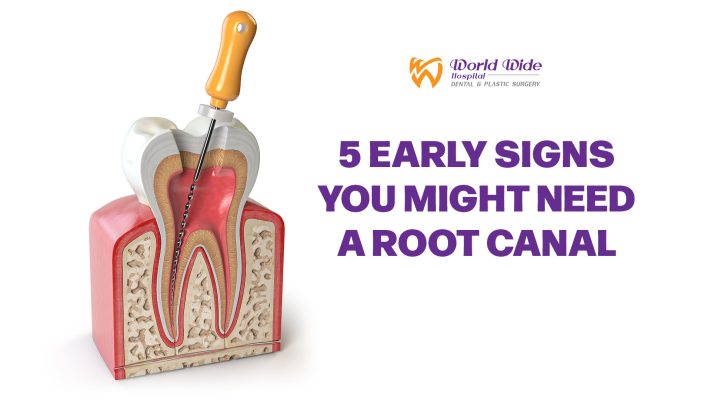
A root canal is often seen as a treatment for severe tooth pain—but the warning signs usually appear much earlier. Many patients overlook mild symptoms, assuming they are temporary or caused by simple sensitivity. However, when the nerve (pulp) inside the tooth becomes inflamed or infected, the discomfort gradually increases until the pain becomes unbearable.
Recognizing early signs can help you seek treatment before the infection spreads, saving both your tooth and your overall oral health. In this guide, dentists at Worldwide Dental Hospital explain the 5 early symptoms that may indicate you need a root canal, why they happen, and why early intervention matters.
Persistent Tooth Sensitivity to Hot or Cold
How Early Sensitivity Starts
Most people experience mild sensitivity occasionally, especially after whitening or consuming very cold drinks. This type of sensitivity usually fades quickly. But when sensitivity lingers for several seconds—or even minutes—after the temperature stimulus is gone, it may indicate deeper nerve irritation.
Why It Happens
- The tooth pulp becomes inflamed due to decay, cracks, or trauma.
- Enamel has worn down, allowing hot or cold temperatures to reach the nerve.
- Infection inside the tooth increases nerve sensitivity.
What This Means
Long-lasting sensitivity suggests the pulp is compromised. Without treatment, the inflammation progresses into infection, requiring a root canal to remove the damaged nerve tissue and save the tooth.
Pain When Chewing or Biting
Early Pain That Comes and Goes
Pain while chewing is another subtle but important warning sign. You may feel a sharp discomfort only when you apply pressure on the tooth, and it may disappear once you stop biting. Many patients dismiss this as minor, but it can indicate underlying damage.
Why It Happens
- Infection inside the tooth creates pressure when biting.
- A crack in the tooth allows bacteria to enter the pulp.
- The ligament around the tooth becomes inflamed from early infection.
Why You Should Pay Attention
If left untreated, the pain will intensify and eventually make chewing on that side impossible. A dentist can perform tests to determine whether the nerve is infected and whether a root canal is needed before the infection spreads.
Darkening or Discoloration of the Tooth
A Tooth That Turns Grey or Brown
One of the earliest—and often ignored—signs of nerve damage is a change in tooth color. A tooth that is slowly dying darkens from the inside out, giving it a dull grey, yellow, or brown tone.
What Causes the Discoloration
- The pulp inside the tooth starts to die after trauma or infection.
- Blood vessels inside the tooth break down, staining the dentin.
- The tooth no longer receives nutrients once the nerve becomes non-vital.
Why This Matters
Discoloration typically means the nerve is no longer healthy. Even if the tooth doesn’t hurt yet, a root canal may be necessary to clean out the dead tissue and prevent infection from spreading to surrounding bone or gums.
Swollen or Tender Gums Near One Tooth
Subtle Gum Changes You Should Not Ignore
Swelling around a single tooth is a strong indicator of infection. It may feel slightly puffy, red, or tender when touched. Some patients even notice a small pimple-like bump (called a gum boil or fistula), which can release pus.
Why Gum Swelling Occurs
- Infection inside the tooth spreads through the root to surrounding gum tissue.
- The body forms an abscess to push out bacteria.
- Pressure builds, causing inflammation around the tooth.
Why It Is a Serious Sign
Any swelling—no matter how small—means the infection has begun spreading beyond the tooth. Left untreated, the abscess can enlarge and affect jawbone health, requiring immediate root canal therapy to stop the infection at its source.
Lingering, Spontaneous, or Night-Time Pain
When Pain Happens Without a Trigger
One of the most significant early signs is pain that appears on its own, without eating or chewing. Many patients report:
- A throbbing sensation
- Pain that worsens when lying down
- Random waves of discomfort
Why This Happens
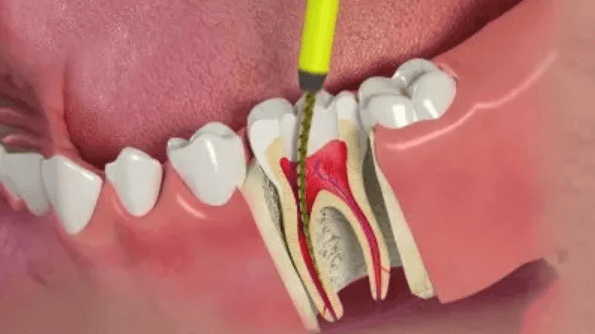
When the pulp becomes infected, pressure builds inside the tooth. Because the tooth is a closed space, the inflammation has nowhere to escape, leading to spontaneous pain.
Why Pain at Night Is Common
Blood flow increases when you lie down, placing additional pressure on the inflamed nerve. This is why many patients wake up at night due to tooth pain—a classic sign of a tooth needing a root canal.
Why Early Detection Matters
Preventing the Spread of Infection
A root canal becomes urgent when infection spreads from the pulp into the bone and gums. Treating it early prevents abscess formation and long-term bone loss.
Saving the Natural Tooth
Early intervention helps preserve as much of the natural tooth structure as possible. The longer treatment is delayed, the more likely the tooth may require a crown or extraction.
Reducing Pain and Cost
A tooth treated early often requires less complex work and shorter recovery times. Ignoring early signs usually leads to a more expensive and time-consuming procedure later.
Protecting Overall Health
Untreated dental infections have been linked to systemic conditions such as heart disease, diabetes complications, and sinus infections. A root canal restores oral health and prevents bacteria from spreading.
How Dentists Diagnose Whether You Need a Root Canal
X-rays and Digital Imaging
Dentists examine the inner structure of the tooth and surrounding bone to identify infection, decay, or abscess formation.
Pulp Vitality Testing
Cold tests, heat tests, and electric pulp tests determine whether the nerve is still alive, partially damaged, or non-vital.
Visual Examination
Dentists look for cracks, deep cavities, gum swelling, and color changes.
Bite Tests
These tests identify pain triggered by chewing or pressure, useful for detecting cracked teeth or ligament inflammation.
Treatment Options
Root Canal Therapy
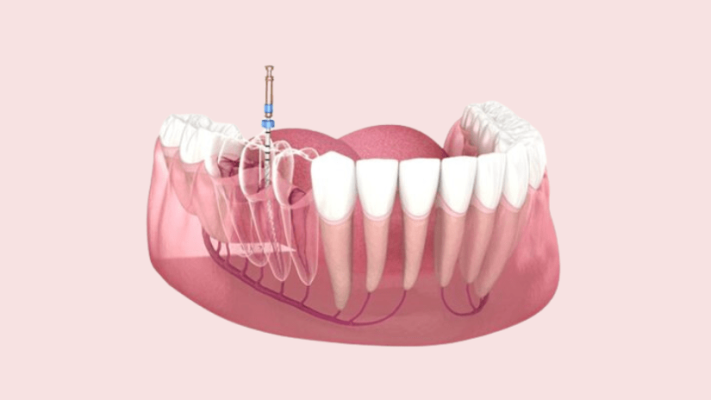
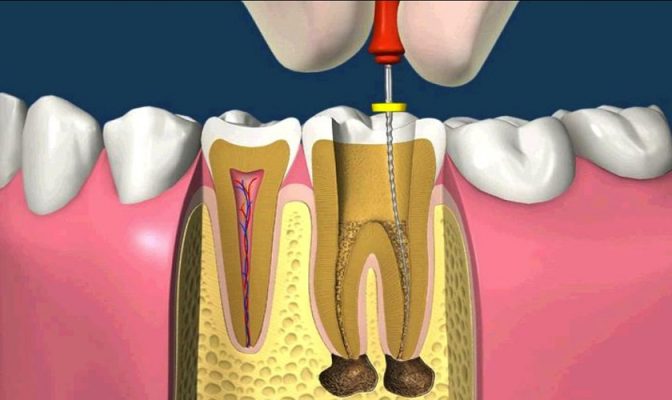
Removes infected pulp, disinfects the tooth, and seals it to prevent reinfection. Most teeth treated with a root canal last many years—often decades.
Crown Placement
Many root canal-treated teeth benefit from a crown to restore strength and protect them from fractures.
Antibiotics (If Needed)
Antibiotics may be prescribed to control infection, but they are not a substitute for a root canal.
Extraction (Only If Necessary)
If the tooth is severely fractured or decayed beyond repair, extraction may be recommended—but this is typically the last option.
How to Prevent Root Canal Problems
Maintain Strong Oral Hygiene
Brush twice a day, floss daily, and clean along the gumline where bacteria accumulate.
Treat Cavities Early
Regular checkups ensure early detection of decay before it reaches the nerve.
Wear a Night Guard
A night guard protects teeth from cracks caused by nighttime grinding.
Avoid Using Teeth to Open or Bite Hard Objects
Hard foods and bad habits can cause cracks that expose the pulp.
Schedule Cleanings Every 6 Months
Professional dental cleanings reduce plaque buildup and lower infection risk.
Why Worldwide Dental Hospital Is Trusted for Root Canal Treatment
Worldwide Dental Hospital is a preferred destination for international patients in Vietnam, thanks to:
Experienced Root Canal Specialists
Our endodontic team uses modern microsurgical techniques to deliver precise and comfortable treatment.
Advanced Technology
Digital X-rays, CBCT 3D scans, and operating microscopes allow for accurate diagnosis and effective root canal procedures.
Pain-Free Approach
With modern anesthesia and gentle techniques, most patients report minimal to no discomfort during treatment.
English-Speaking Staff
Patients receive clear communication and step-by-step guidance throughout the process.
Efficient Scheduling
Foreign patients can complete root canal therapy quickly, often in 1–2 visits.

Conclusion
Root canal problems rarely appear suddenly. They typically begin with subtle, early warning signs—sensitivity, discoloration, gum swelling, chewing pain, or spontaneous night-time discomfort. Ignoring these symptoms can result in severe infection, tooth loss, or costly treatments later on.
If you notice any of the signs above, early diagnosis is essential.
📞 Contact Worldwide Dental Hospital: (+84) 922.253.888
Protect your smile before the problem becomes painful.