
Smoking weakens gums, slows healing, and increases dental implant failure. Learn the risks and how Worldwide Dental Hospital protects long-term implant health.
INTRODUCTION
Dental implants are one of the most durable and natural-looking solutions for missing teeth. But their long-term success depends on healthy gums, strong bone support, and the body’s ability to heal after surgery. Smoking is one of the biggest risk factors that can compromise every stage of implant treatment.
Whether it is cigarettes, vaping, or smokeless tobacco, the chemicals in tobacco negatively affect blood flow, soft tissue regeneration, and the immune system. This makes it harder for the implant to integrate with the bone and increases the chance of infection.
Worldwide Dental Hospital provides comprehensive implant treatment for both smokers and non-smokers, with advanced diagnostic technology, careful planning, and strict clinical protocols to minimize complications.
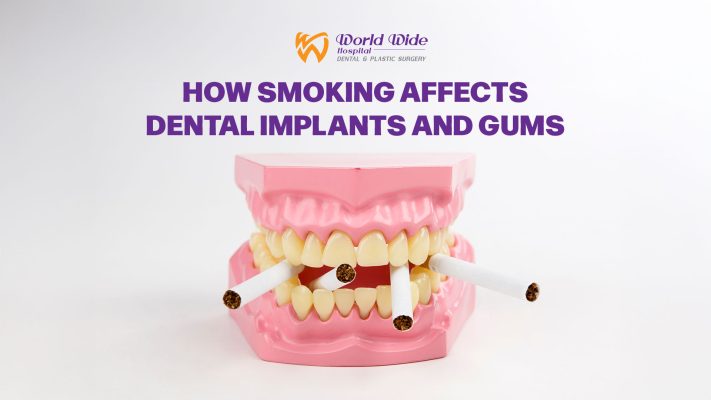
THE IMPACT OF SMOKING ON DENTAL IMPLANTS
Smoking Reduces Blood Flow and Slows Healing
Healthy blood circulation delivers oxygen and nutrients to the implant area. Nicotine causes blood vessels to constrict, which reduces oxygen levels and slows tissue regeneration. As a result, smokers heal more slowly and face a higher risk of postoperative complications such as infection or wound breakdown.
Smoking Increases the Risk of Implant Failure
Smokers have a significantly higher implant failure rate compared to non-smokers. Poor circulation, weaker immunity, and higher inflammation make it more difficult for the implant to fuse with the bone. Studies show smokers can experience a 2–3 times higher failure rate, especially heavy smokers who use more than 10 cigarettes per day.
Smoking Damages Gum Tissues Around Implants
Gums serve as a protective barrier around implants. Tobacco chemicals damage gum cells, reduce collagen production, and accelerate gum recession. Smokers often experience thinner gums, making the implant surface more exposed and vulnerable to infection.
Smoking Leads to Peri-implantitis
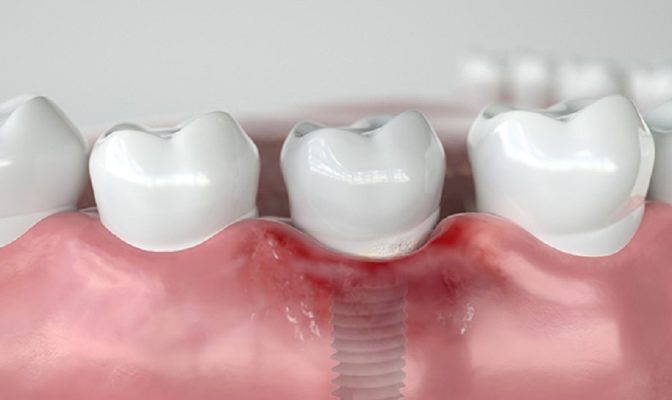
Peri-implantitis is a serious inflammatory condition that destroys the gum and bone around an implant. Smoking increases harmful bacteria and weakens soft tissues, making smokers more prone to the disease. Symptoms include gum swelling, bad taste, bleeding, and bone loss visible on X-rays.
Smoking Causes Bone Loss Around Implants
Nicotine reduces the activity of osteoblasts, the cells responsible for bone regeneration. This slows down osseointegration and makes the jawbone more susceptible to long-term bone deterioration. Bone loss can lead to implant loosening and implant failure even years after placement.
HOW SMOKING HARMS GUM HEALTH
Smoking Causes Gum Disease (Periodontitis)
Gum disease is significantly more common in smokers due to reduced immunity and increased bacterial accumulation. Periodontitis destroys the bone around natural teeth and implants, making it one of the leading causes of implant complications.
Smoking Masks Early Signs of Gum Disease
Because nicotine restricts blood flow, gums bleed less during brushing—even when severely infected. This masks early symptoms of gum disease, allowing the condition to progress silently until significant damage has occurred.
Smoking Weakens Overall Oral Immunity
Tobacco chemicals impair the function of white blood cells, making it harder for the body to fight infections. This leads to deeper gum pockets, plaque buildup, and faster tissue destruction around implants.
SMOKING AND DIFFERENT TYPES OF IMPLANT PATIENTS
Current Smokers
Current smokers face the highest risk of complications. Slower healing, poor bone integration, and increased bacterial growth all contribute to higher implant failure rates.
Former Smokers
Former smokers have a lower risk than active smokers. Once smoking stops, blood flow improves, and the body heals more efficiently. Many former smokers achieve excellent implant results when properly monitored.
Smokers Who Cannot Quit Immediately
Some patients may not be able to stop smoking right away. Reducing cigarette use, avoiding smoking immediately after surgery, and improving oral hygiene can still help lower the risks.
HOW TO IMPROVE IMPLANT SUCCESS IF YOU SMOKE
Quit Smoking (Even Temporarily)
Stopping smoking 1–2 weeks before implant surgery and avoiding smoking for at least 2 months after placement significantly improves healing and implant stability.
Maintain Excellent Oral Hygiene
Daily brushing, flossing, and cleaning around implants help prevent plaque accumulation. Using alcohol-free antibacterial mouthwash also helps reduce inflammation.
Attend Regular Checkups at Worldwide Dental Hospital
Regular visits every 3–4 months allow early detection of bone loss or gum inflammation. Worldwide Dental Hospital uses 3D imaging to carefully monitor implant health over time.
Strengthen the Bone and Gums
Increasing calcium, vitamin D, collagen, and antioxidant intake helps the body regenerate bone and gum tissue more effectively.
DENTAL IMPLANTS AT WORLDWIDE DENTAL HOSPITAL
Advanced Implant Technology
Worldwide Dental Hospital utilizes digital planning software, 3D CBCT imaging, and minimally invasive surgical techniques to ensure precision and safety.
Experienced Implant Surgeons
The implant team is trained in managing complex cases, including smokers, patients with bone loss, and patients requiring bone grafting.
Comprehensive Gum and Bone Care
Each patient undergoes a full periodontal and bone evaluation before treatment. Ensuring healthy gums and adequate bone volume greatly improves implant success.
CONCLUSION
Smoking significantly impacts dental implant success and gum health by slowing healing, increasing infection risk, and contributing to bone loss. While smokers can still receive dental implants, they must take extra precautions, including quitting or reducing smoking, maintaining strong oral hygiene, and attending regular dental checkups.
With advanced technology and experienced clinicians, Worldwide Dental Hospital provides safe, predictable implant solutions tailored to each patient’s needs—including those who smoke.

FAQ
Can smokers get dental implants?
Yes. Smokers can receive implants, but they face a higher risk of complications. Quitting or reducing smoking improves success rates significantly.
How long should I stop smoking before implant surgery?
Most specialists recommend stopping 1–2 weeks before surgery and avoiding smoking for at least 2 months afterward.
Does vaping affect dental implants?
Yes. Vaping contains nicotine, which reduces blood flow and delays healing, similar to cigarette smoking.
What is the biggest implant risk for smokers?
Peri-implantitis—an inflammatory condition that causes bone loss and can lead to implant failure.
Can smoking loosen an implant after it has healed?
Yes. Long-term smoking increases the risk of bone loss, which may cause an implant to loosen years after placement.
How does Worldwide Dental Hospital assist smokers during implant treatment?
The hospital uses digital planning, 3D imaging, strict surgical protocols, and close follow-up visits to reduce risks and improve long-term implant stability.