
Many people turn to natural remedies for dental problems, hoping for quick, gentle, or chemical-free solutions. While home treatments may soothe mild symptoms, they rarely address the root causes of oral disease. Professional dental care provides accurate diagnosis, scientific treatment, and long-term protection. Understanding the difference helps you choose safe and effective options for your oral health. Worldwide Dental Hospital explains what works—and what doesn’t.
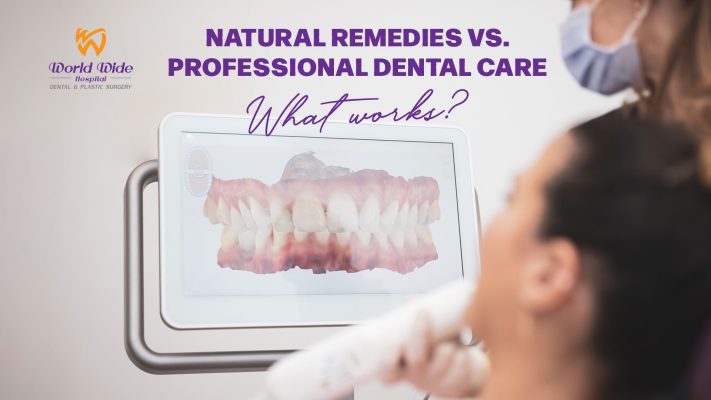
INTRODUCTION
With the rise of DIY health trends and natural living, many people are curious whether home remedies can replace professional dental care. Coconut oil pulling, herbal rinses, saltwater washes, and baking soda treatments are just a few examples of popular natural methods shared across social media. While some of these remedies offer mild benefits, others can delay proper treatment or even cause long-term damage if misused.
Worldwide Dental Hospital emphasizes that natural remedies can be helpful as supportive care, but they cannot diagnose dental problems or treat conditions such as cavities, infection, gum disease, or tooth fractures. This article explores the effectiveness, limitations, and risks of natural remedies compared to professional dental care.
WHY PEOPLE TURN TO NATURAL REMEDIES
Desire for Gentle or “Chemical-Free” Solutions
Many patients prefer natural ingredients because they feel safer or more comfortable using familiar household products.
Internet Trends and Viral Advice
Social media encourages DIY treatments that appear simple and affordable but often oversimplify complex dental issues.
Avoidance of Dental Visits Due to Fear or Cost
Dental anxiety or financial concerns sometimes lead people to delay professional care, increasing reliance on home remedies.
Temporary Relief Sensation
Some natural options offer mild soothing effects, leading people to believe the underlying issue has healed.
POPULAR NATURAL REMEDIES AND HOW EFFECTIVE THEY REALLY ARE
Saltwater Rinse
How It Helps
- Reduces inflammation
- Cleans minor wounds
- Helps soothe irritation after dental procedures
Saltwater is safe and beneficial for mild gum irritation or temporary soreness.
What It Cannot Do
- Heal gum disease
- Treat cavities
- Kill deep-seated bacteria
Saltwater is supportive—not curative.
Oil Pulling
What It Claims
Swishing coconut or sesame oil in the mouth is said to remove toxins and whiten teeth.
What Research Shows
- May reduce surface-level bacteria
- Can slightly improve bad breath
- Does not pull toxins or cure disease
Oil pulling should never replace brushing, flossing, or dental cleanings.
Baking Soda
Benefits
- Helps neutralize acids
- Acts as a mild abrasive to remove stains
Risks
- Overuse can wear enamel
- Too abrasive for veneers or sensitive teeth
Baking soda can be used occasionally but is not a daily whitening method.

Herbal Mouth Rinses (Aloe Vera, Peppermint, Green Tea)
How They Help
- Mild antibacterial properties
- Temporary soothing effect
Limitations
- Cannot treat advanced gum disease
- Cannot replace medical-grade antiseptic mouthwash
Herbal rinses are best as a supplement—not a primary treatment.
Clove Oil
Benefits
- Acts as a natural analgesic
- Temporarily reduces toothache
Risks and Limits
- Does not treat infections
- Overuse can irritate gums
Clove oil is a temporary pain reliever only.
Apple Cider Vinegar
Why People Use It
Believed to whiten teeth or kill bacteria.
Why It’s Risky
- Highly acidic
- Causes enamel erosion
- Leads to sensitivity and cavities
Apple cider vinegar should never be used directly on teeth.
LIMITATIONS OF NATURAL REMEDIES
They Only Provide Symptom Relief, Not Solutions
Natural remedies may soothe discomfort temporarily but do not resolve the root cause of dental issues.
Lack of Accurate Diagnosis
Pain, bleeding, or swelling can have multiple causes. Only professional examination reveals the real problem.
False Sense of Improvement
Temporary relief often leads individuals to delay necessary treatment, making the problem worse.
Risk of Harmful Misuse
Unverified online recipes may damage enamel, irritate gums, or alter the mouth’s pH balance.
No Ability to Treat Structural Problems
Home remedies cannot fix:
- Cavities
- Infected roots
- Bone loss
- Gum disease
- Cracked teeth
Only professional treatment can address these conditions safely.
WHAT PROFESSIONAL DENTAL CARE PROVIDES THAT HOME REMEDIES CAN’T
Accurate Diagnosis
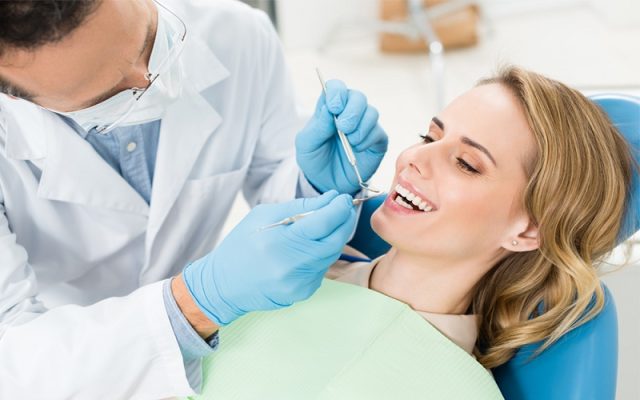
A dentist identifies the exact source of pain or symptoms through visual exams, X-rays, and 3D imaging. This prevents misdiagnosis and ensures correct treatment.
Scientific, Evidence-Based Treatments
Professional care treats the underlying issue instead of masking symptoms.
Examples include:
- Fillings for cavities
- Root canal therapy for infected nerves
- Deep cleaning for gum disease
- Crowns or veneers for structural repair
Long-Term Oral Health Protection
Dentists remove tartar, plaque, and bacteria that natural methods cannot reach.
Prevention of Complications
Early professional treatment stops minor issues from becoming serious.
Customized Care Plans
Worldwide Dental Hospital tailors treatment plans to each patient’s needs, lifestyle, and oral condition.
WHEN NATURAL REMEDIES CAN BE HELPFUL
As Complementary Care
They work well when used alongside professional treatment.
For Minor Symptoms
Saltwater rinses or herbal teas can soothe temporary irritation.
For Post-Treatment Care
Saltwater or aloe rinses may help healing after dental procedures.
For Short-Term Relief While Waiting for a Dentist
Clove oil may temporarily reduce pain, but professional treatment must follow.
SIGNS YOU NEED PROFESSIONAL DENTAL CARE IMMEDIATELY
Severe or Persistent Pain
Pain lasting more than 24–48 hours needs evaluation.
Swelling or Fever
These symptoms may indicate infection that requires antibiotics or treatment.
Bad Breath That Doesn’t Improve
This often signals gum disease or hidden decay.
Bleeding Gums
Ongoing bleeding means inflammation or periodontal disease.
Loose Teeth
A sign of bone loss or advanced periodontal issues.
Sharp Sensitivity
Exposed roots or enamel wear may require professional intervention.
What You Need to Know
Do natural remedies work for dental pain?
They may reduce discomfort temporarily but do not treat the underlying cause.
Can oil pulling replace brushing?
No. It may reduce bacteria slightly but cannot clean plaque effectively.
Are natural whitening methods safe?
Most are abrasive or acidic and can damage enamel if overused.
When should I see a dentist?
See a dentist if you have persistent pain, swelling, bleeding, or sensitivity.
What is the safest approach?
Use natural remedies only as supportive care—never as a substitute for professional diagnosis and treatment.

CONCLUSION
Natural remedies can offer comfort and mild antibacterial benefits, but they cannot replace professional dental care. Relying solely on home treatments may delay proper diagnosis, worsen existing problems, or create new risks. The safest and most effective approach combines gentle at-home care with evidence-based dental treatment.
Worldwide Dental Hospital provides precise diagnosis, modern treatment options, and preventive care to help patients maintain long-term oral health. Knowing when to rely on natural remedies—and when to seek professional support—is key to protecting your smile.
📞 Contact Worldwide Dental Hospital: (+84) 922.253.888
Schedule your dental examination today and receive expert advice on safe, effective oral care solutions.