
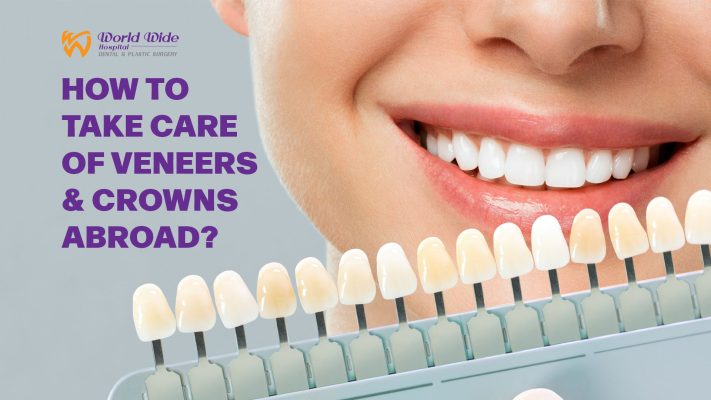
Getting veneers or crowns abroad can deliver excellent aesthetic results at a lower cost, but proper aftercare is essential to protect your investment. Daily hygiene, diet choices, travel habits, and follow-up planning all affect the longevity of restorations. Understanding how to care for veneers and crowns while traveling helps prevent damage, sensitivity, and complications. Worldwide Dental Hospital shares professional guidance to help patients maintain long-lasting results after treatment abroad.
INTRODUCTION
Veneers and crowns are among the most popular dental treatments for international patients traveling to Vietnam. They restore aesthetics, improve function, and boost confidence—often at a fraction of the cost found in Western countries. However, receiving treatment abroad also means patients must take greater responsibility for daily care once they leave the clinic.
Proper care is not complicated, but it must be consistent. Veneers and crowns are strong, yet they are not indestructible. Habits such as improper brushing, poor diet choices, teeth grinding, or neglecting follow-up care can shorten their lifespan.
Worldwide Dental Hospital emphasizes that long-term success depends not only on the quality of materials and craftsmanship, but also on how patients care for their restorations after leaving the clinic. This guide explains how to protect veneers and crowns while living or traveling abroad, ensuring comfort, durability, and lasting aesthetics.
UNDERSTANDING VENEERS AND CROWNS
What Are Veneers?
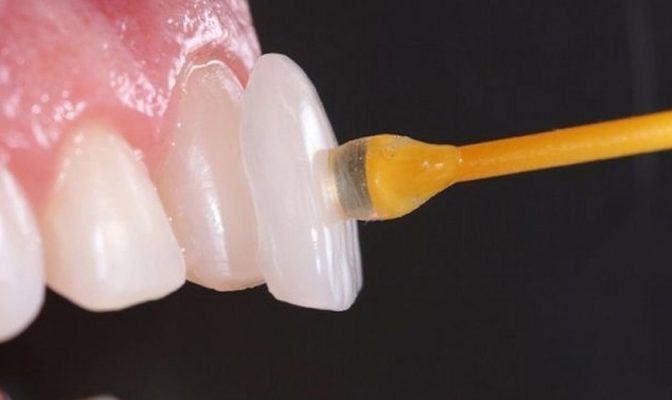
Veneers are thin ceramic shells bonded to the front surface of teeth to improve shape, color, and alignment.
What Are Crowns?
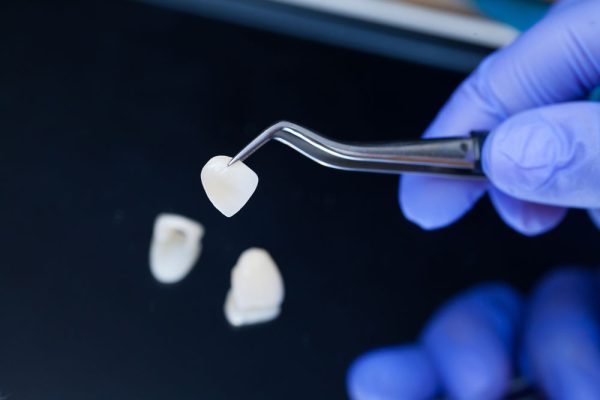
Crowns cover the entire tooth, restoring strength, structure, and appearance after damage or extensive decay.
Why Aftercare Matters
Although veneers and crowns are resistant to staining and wear, the surrounding gums and natural tooth structure still require care. Neglect can lead to gum inflammation, decay under crowns, or restoration failure.
DAILY ORAL CARE FOR VENEERS AND CROWNS
Brushing Properly
Use a Soft-Bristle Toothbrush
Hard bristles can irritate gums and wear down the margins around restorations.
Brush Twice Daily
Consistent brushing removes plaque that can cause gum disease and compromise crown margins.
Use Non-Abrasive Toothpaste
Avoid whitening or abrasive toothpaste, which can dull ceramic surfaces over time.
Flossing Is Essential
Why Flossing Matters
Plaque accumulation at the gumline can cause inflammation and recession, exposing crown edges.
How to Floss Safely
- Slide floss gently along the tooth surface
- Avoid snapping floss downward
- Use floss threaders or water flossers if recommended
Mouthwash Use
Choose Alcohol-Free Mouthwash
Alcohol-based rinses may irritate gums and dry oral tissues.
Benefits
- Reduces bacteria
- Supports gum health
- Helps prevent odor
EATING AND DRINKING HABITS ABROAD
Foods to Enjoy with Confidence
- Soft fruits
- Cooked vegetables
- Lean proteins
- Rice, pasta, and bread
These foods place minimal stress on restorations.
Foods to Limit or Avoid
Hard Foods
- Ice
- Nuts
- Hard candy
These can cause chipping or fractures.
Sticky Foods
- Caramel
- Toffee
- Chewing gum
Sticky textures can pull on restorations or loosen bonding.
Staining Beverages
Although veneers and crowns resist staining, the bonding margins can discolor.
Limit:
- Coffee
- Tea
- Red wine
Rinse with water after consumption to reduce staining risk.
PROTECTING VENEERS AND CROWNS WHILE TRAVELING
Managing Temperature Sensitivity
Avoid extreme temperature changes (very hot followed by very cold), which may cause temporary sensitivity.
Avoid Using Teeth as Tools
Do not use teeth to:
- Open packaging
- Tear tape
- Bite fingernails
These habits place unnecessary stress on restorations.
Wear a Night Guard if You Grind Your Teeth
Travel stress can increase clenching or grinding.
A night guard:
- Protects veneers and crowns from cracking
- Reduces jaw strain
- Extends restoration lifespan
Worldwide Dental Hospital often provides custom night guards for patients with bruxism.
SPECIAL CARE DURING THE FIRST WEEKS AFTER TREATMENT
Avoid Excessive Force
Be gentle when chewing during the first 1–2 weeks as bonding fully stabilizes.
Monitor Gum Sensitivity
Mild gum sensitivity is normal initially but should improve gradually.
Do Not Skip Final Follow-Ups
If you received temporary restorations, returning for final placement is essential.
HANDLING MINOR ISSUES WHILE ABROAD
Temporary Sensitivity
Usually resolves within a few weeks. Use desensitizing toothpaste if advised.
Mild Gum Irritation
Often caused by plaque buildup or brushing too aggressively. Improve technique and maintain gentle care.
Small Chips or Rough Edges
Avoid attempting self-repairs. Contact your dental provider for guidance.
WHEN TO SEEK PROFESSIONAL HELP
Warning Signs
- Persistent pain
- Swelling or bleeding gums
- Loose crown or veneer
- Sharp edges causing discomfort
Worldwide Dental Hospital encourages patients to contact the clinic immediately if any of these occur.
LONG-TERM MAINTENANCE FOR INTERNATIONAL PATIENTS
Regular Dental Checkups
Schedule professional checkups every 6 months—either locally or during return visits to Vietnam.
Professional Cleaning
Regular cleaning helps maintain gum health and crown margins.
Maintain Communication with Your Clinic
Keep treatment records, material details, and warranty documentation accessible.
HOW WORLDWIDE DENTAL HOSPITAL SUPPORTS INTERNATIONAL PATIENTS
Detailed Aftercare Instructions
Patients receive clear written guidance tailored to their restorations.
Certified Materials and Warranties
All veneers and crowns are fabricated using certified ceramic systems with documented warranties.
Remote Consultation Support
Patients can contact the clinic for advice while abroad.
Long-Term Care Planning
Worldwide Dental Hospital assists patients in planning future checkups and maintenance visits.
What You Need to Know
Do veneers and crowns require special care?
Yes. While durable, they still require proper hygiene and mindful habits.
Can I eat normally after getting veneers or crowns?
Yes, but avoid hard, sticky, or extremely crunchy foods.
Do veneers stain over time?
Ceramic veneers resist staining, but margins can discolor without proper care.
Is flossing safe around crowns and veneers?
Yes. Gentle flossing is essential for gum health.
What should I do if a crown feels loose while abroad?
Avoid chewing on it and contact Worldwide Dental Hospital for guidance immediately.
CONCLUSION
Taking care of veneers and crowns abroad is simple when guided by the right habits. Consistent oral hygiene, mindful eating, protection against grinding, and timely professional care all contribute to long-lasting results. Proper maintenance not only preserves aesthetics but also protects gum health and underlying teeth.
Worldwide Dental Hospital is committed to supporting international patients beyond treatment, providing clear aftercare guidance and long-term support. With proper care and professional advice, your veneers and crowns can remain strong, comfortable, and beautiful for many years.
📞 Contact Worldwide Dental Hospital: (+84) 922.253.888
Schedule a consultation or aftercare check and receive expert guidance to protect your veneers and crowns wherever you are.