
Pain and swelling are common after tooth extraction, but proper aftercare can significantly reduce discomfort and speed up healing. Understanding what causes post-extraction symptoms—and how to manage them safely—helps prevent complications such as dry socket or infection. This guide explains effective pain and swelling control methods used by dental professionals. Worldwide Dental Hospital shares expert aftercare advice to support a smooth and comfortable recovery.
INTRODUCTION
Tooth extraction is a routine dental procedure, whether it involves a damaged tooth, severe decay, orthodontic preparation, or wisdom tooth removal. While the procedure itself is usually quick and controlled, the recovery period afterward plays a crucial role in healing success.
Pain and swelling are natural responses as the body repairs the extraction site. However, excessive discomfort or improper care can delay healing and increase the risk of complications. Worldwide Dental Hospital emphasizes that most post-extraction discomfort can be effectively managed with the right combination of rest, medication, oral hygiene, and lifestyle adjustments.
This article explains why pain and swelling occur after extraction, how long they typically last, and what steps you can take to recover comfortably and safely.

WHY PAIN AND SWELLING OCCUR AFTER TOOTH EXTRACTION
Natural Inflammatory Response
After a tooth is removed, surrounding tissues experience minor trauma. The body responds by increasing blood flow to the area, causing swelling and tenderness.
Blood Clot Formation
A blood clot forms at the extraction site to protect bone and nerves. This process may cause mild throbbing or pressure.
Muscle and Tissue Irritation
Jaw muscles and soft tissues may become sore, especially after surgical or wisdom tooth extractions.
HOW LONG DO PAIN AND SWELLING LAST?
First 24 Hours
- Swelling begins
- Mild to moderate pain is common
- Slight bleeding may occur
Days 2–3
- Swelling typically peaks
- Pain should be manageable with medication
Days 4–7
- Swelling gradually subsides
- Discomfort continues to improve
After One Week
Most patients feel significantly better, although complete healing may take several weeks.
IMMEDIATE STEPS TO REDUCE PAIN AFTER EXTRACTION
Take Prescribed or Recommended Medication
Pain Relievers
Dentists commonly recommend:
- Ibuprofen
- Acetaminophen
These medications reduce both pain and inflammation when taken as directed.
Avoid Aspirin Unless Approved
Aspirin can increase bleeding and interfere with clot formation.
Rest and Limit Activity
Why Rest Matters
Physical activity increases blood pressure, which may cause bleeding or worsen swelling.
Best Practice
- Rest for at least 24 hours
- Avoid strenuous exercise for 2–3 days
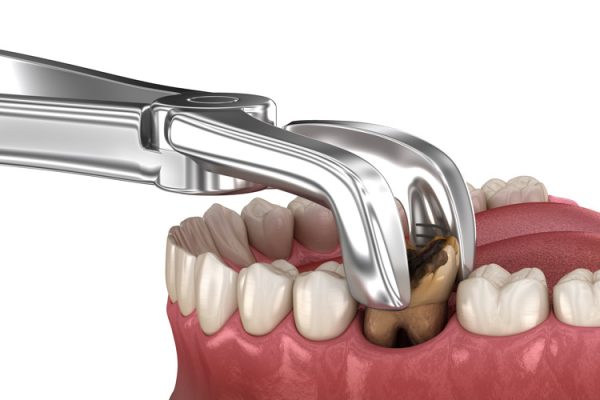
Applying cold compresses to the outside of the face helps reduce swelling and provides effective pain relief during the initial recovery period.
HOW TO CONTROL SWELLING EFFECTIVELY
Apply Cold Compresses
How Cold Therapy Helps
Cold constricts blood vessels, reducing swelling and numbing discomfort.
Correct Application
- Apply ice pack to the outside of the cheek
- 15–20 minutes on, 15–20 minutes off
- Use during the first 24–48 hours
Keep Your Head Elevated
Why Elevation Helps
Sleeping with your head elevated reduces fluid buildup and swelling.
How to Do It
- Use two pillows when sleeping
- Avoid lying flat during the first few nights
ORAL CARE AFTER EXTRACTION
Do Not Rinse or Spit Forcefully
Why This Is Important
Strong rinsing can dislodge the blood clot, increasing the risk of dry socket.
Gentle Cleaning Is Essential
Proper Brushing
- Brush other teeth normally
- Avoid brushing directly over the extraction site
Saltwater Rinse (After 24 Hours)
- Mix warm water with salt
- Rinse gently 2–3 times per day
Saltwater helps reduce bacteria and soothe tissues.

EATING AND DRINKING FOR COMFORT AND HEALING
Best Foods After Extraction
Soft Foods
- Yogurt
- Mashed potatoes
- Scrambled eggs
- Soup (lukewarm)
Soft foods minimize irritation and chewing pressure.
Foods to Avoid
Hard or Crunchy Foods
These can damage the clot or irritate healing tissue.
Spicy or Acidic Foods
They may increase pain and inflammation.
Avoid Using Straws
Suction can dislodge the blood clot and delay healing.
COMMON MISTAKES THAT WORSEN PAIN AND SWELLING
Smoking or Vaping
Nicotine reduces blood flow and significantly increases the risk of dry socket.
Worldwide Dental Hospital strongly advises avoiding smoking for at least 72 hours, ideally longer.
Touching the Extraction Site
Avoid probing the area with your tongue or fingers.
Skipping Medication
Taking pain medication too late can allow discomfort to intensify unnecessarily.

SPECIAL CONSIDERATIONS FOR WISDOM TOOTH EXTRACTION
Increased Swelling Is Normal
Wisdom tooth removal often involves deeper tissue and bone, leading to more noticeable swelling.
Jaw Stiffness
Gentle jaw movement and warm compresses (after 48 hours) may help reduce stiffness.
WHEN PAIN MAY SIGNAL A PROBLEM
Signs of Dry Socket
- Severe pain starting 3–5 days after extraction
- Foul odor or taste
- Visible bone
Signs of Infection
- Fever
- Increasing swelling after day 3
- Pus or severe redness
If any of these occur, contact Worldwide Dental Hospital immediately.
HOW WORLDWIDE DENTAL HOSPITAL SUPPORTS POST-EXTRACTION RECOVERY
Clear Aftercare Instructions
Patients receive detailed written and verbal guidance tailored to their extraction type.
Advanced Surgical Techniques
Minimally invasive methods reduce trauma, pain, and swelling.
Follow-Up Monitoring
Patients are encouraged to report symptoms early for prompt care.
RECOVERY TIMELINE AT A GLANCE
| Timeframe | What to Expect |
| First 24 hours | Swelling begins, mild pain |
| Days 2–3 | Peak swelling, manageable discomfort |
| Days 4–7 | Gradual improvement |
| After 7 days | Significant healing |
What You Need to Know
Is pain normal after tooth extraction?
Yes. Mild to moderate pain is normal and should improve daily.
How long does swelling last?
Swelling usually peaks at 48–72 hours and then decreases.
Can I take pain medication before pain starts?
Yes. Taking medication early helps control discomfort more effectively.
What causes dry socket?
Dislodged blood clot, often due to smoking, straws, or poor aftercare.
When should I contact my dentist?
If pain worsens, swelling increases after day 3, or signs of infection appear.
CONCLUSION
Managing pain and swelling after extraction is an essential part of recovery. With proper medication use, cold therapy, gentle oral care, and mindful eating habits, most patients recover comfortably and without complications. Understanding what is normal—and when to seek help—ensures a smooth healing process.
Worldwide Dental Hospital is committed to patient comfort and safety, providing comprehensive aftercare support and professional guidance after every extraction. With the right care, discomfort fades quickly, allowing you to return to normal activities with confidence.
📞 Contact Worldwide Dental Hospital: (+84) 922.253.888
Schedule your consultation or post-extraction follow-up and receive expert aftercare support for a smooth and comfortable recovery.