
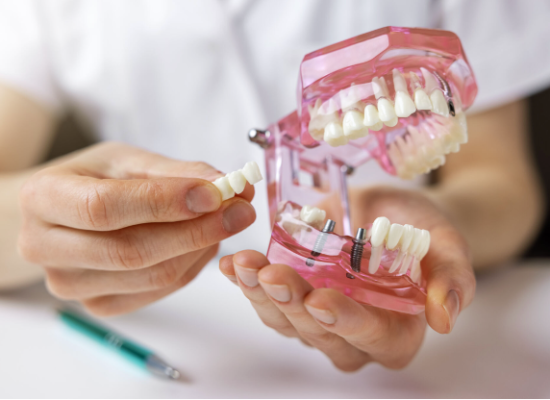
After dental implant surgery, especially full arch dental implants, your mouth needs time to heal. Soft foods protect the surgical area and help you stay comfortable while the implant integrates with the jawbone. Choosing the right meals also supports nutrition and helps you maintain your energy during recovery. This guide provides fifty soft food options along with simple explanations to help you plan your meals during the healing period.
Why Soft Foods Are Recommended
Soft foods reduce the force needed to chew. This keeps pressure away from the implant site, which is important in the early stages of healing. The gum tissue around the implant is sensitive and benefits from gentle food textures. Soft meals also lower the risk of irritation and make it easier to maintain good oral hygiene.
Your dentist may recommend a soft food diet for several weeks or longer depending on your procedure. The list below can help you prepare meals and snacks with safe, comfortable textures.
Here are some soft foods you can and should eat while you’re recovering:
Soft Grains and Starches
- Mashed potatoes
- Sweet potato mash
- Mashed pumpkin
- Soft steamed rice
- Risotto
- Polenta
- Oat porridge
- Cream of wheat
- Soft noodles
- Well cooked pasta
These foods are smooth, filling, and don’t require much chewing. Mashed vegetables are especially helpful because they offer nutrients while keeping chewing effort very low. Rice and pasta can be prepared until very soft, which helps prevent discomfort during meals.
Soft Dairy and Protein Options
- Yoghurt
- Greek yoghurt
- Cottage cheese
- Ricotta cheese
- Soft scrambled eggs
- Poached eggs
- Silken tofu
- Soft baked fish
- Flaked steamed fish
- Minced chicken or turkey cooked until tender
Protein supports tissue repair after surgery. These protein options can be eaten without strong chewing. Scrambled eggs and silken tofu are common choices because they are smooth and easy to digest. Soft fish and minced meats provide variety while keeping meals gentle on the implant area.
Soft Fruits
- Ripe bananas
- Applesauce
- Stewed pears
- Stewed apples
- Soft ripe mango
- Soft ripe papaya
- Blended fruit cups
- Fruit smoothies without seeds
- Melon cut into small soft pieces
- Avocado
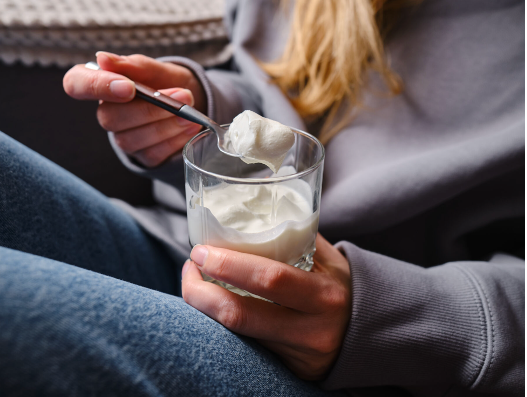
Soft fruits offer vitamins, hydration, and natural sweetness. Stewed fruits and applesauce are simple to prepare and comfortable to eat. Smoothies can be useful, as they allow you to combine fruits with yoghurt or protein powder for balanced nutrition. Always choose seedless options during the early healing stage.
Soft Vegetables
- Steamed carrots
- Steamed zucchini
- Mashed cauliflower
- Mashed peas
- Steamed spinach
- Pumpkin soup
- Blended vegetable soup
- Stewed tomatoes without skin
- Soft beetroot puree
- Soft broccoli florets cooked until tender
Vegetables contain important vitamins that support healing. Cooking them until very soft makes them easier to chew. Blended soups are often recommended after dental surgery because they provide nutrients in a smooth texture. These can be prepared with mild seasoning and allowed to cool before eating.
Soft Snacks and Light Meals
- Smooth peanut butter spread thinly
- Hummus
- Soft cheese spreads
- Oatmeal cookies soaked in milk
- Pudding
- Custard
- Jelly
- Ice cream without nuts
- Soft breads soaked in broth
- Blended meal replacement shakes
Snack options help keep your diet varied. Items like pudding, custard, and jelly are almost liquid and require no chewing. Hummus and cheese spreads can be paired with very soft bread if approved by your dentist. Meal replacement shakes are helpful when appetite is low or when you want balanced nutrition in a single drink.

How to Prepare Soft Meals
A soft food diet requires simple preparation methods. The following steps can help protect your implant while you heal.
- Cook foods until they reach a soft texture that breaks easily with a fork.
- Allow meals to cool to a warm or room temperature. Very hot foods may irritate healing tissues.
- Cut solid foods into small pieces if you need to chew lightly. This reduces pressure on the implant area.
- Choose smooth sauces or broths to add moisture to meals. This makes foods easier to swallow.
- Avoid ingredients that contain seeds or small particles during early recovery.
These steps make mealtimes more comfortable and help support clean healing around the implant.
Planning Meals After Surgery
Many people find it helpful to prepare soft meals before their appointment. Planning ahead ensures you have suitable options available when chewing may be difficult. You can prepare batches of mashed vegetables, soups, or stews that can be reheated. Buying items like yoghurt, smoothies, and soft fruits in advance also helps during the initial days of recovery.
Drinking plenty of water is recommended. Hydration supports healing and helps maintain overall comfort. Gentle brushing and rinsing, once approved by your dentist, will also help keep the surgical area clean.
When to Reintroduce Firmer Foods
Your ability to return to regular meals depends on your individual healing process. Some people begin adding soft solid foods after several weeks, while others may need more time. Your dentist will assess your progress during follow up appointments and let you know when you can start introducing firmer textures. Returning to a full diet too early can place pressure on the implant, so following your dentist’s instructions is important.
Start with foods that require minimal chewing and progress slowly. Pay attention to any sensitivity when chewing and adjust your meals accordingly.
A Supportive Diet Helps Healing
Choosing soft foods after dental implant surgery is an important part of your recovery. These foods protect the implant, reduce irritation, and support healthy tissue repair. With the right meal plan, you can stay nourished and comfortable while your implant stabilises.
If you have questions about suitable foods or want guidance for your recovery plan, contact Dental Center Vietnam. Our team is ready to support you through each step of your treatment.