
Many everyday habits can silently damage your teeth and gums without causing immediate pain or visible signs. Over time, these habits may lead to enamel erosion, gum disease, sensitivity, and even tooth loss. Recognizing and correcting these behaviors early is key to long-term oral health. Worldwide Dental Hospital highlights the top habits that harm your teeth and how to protect your smile effectively.
INTRODUCTION
Most people assume dental problems come from poor brushing or skipping dental visits. In reality, many harmful habits are far more subtle and often go unnoticed for years. These habits may feel harmless at first, but over time they slowly weaken enamel, irritate gums, and compromise oral health.
What makes these habits especially dangerous is that they rarely cause immediate pain. Damage accumulates silently until sensitivity, discoloration, gum recession, or serious dental issues appear.
Worldwide Dental Hospital emphasizes that prevention starts with awareness. This article explores the top 10 common habits that damage your teeth without you realizing it—and what you can do to stop them before lasting harm occurs.
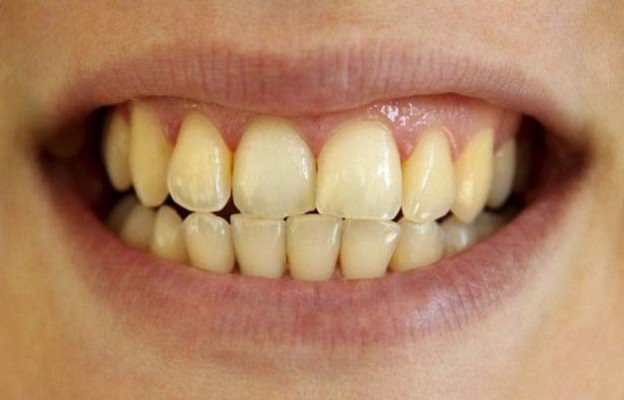
1. BRUSHING TOO HARD
Why This Is Harmful
Many people believe brushing harder cleans better. In reality, excessive pressure wears down enamel and irritates gums.
Long-Term Effects
- Enamel erosion
- Gum recession
- Tooth sensitivity
- Exposed tooth roots
What to Do Instead
Use a soft-bristle toothbrush and gentle circular motions. Let the toothbrush do the work, not force.
2. SIPPING ACIDIC DRINKS THROUGHOUT THE DAY
Common Acidic Drinks
- Coffee
- Tea
- Soda
- Fruit juice
- Sports drinks
Why This Damages Teeth
Frequent sipping keeps enamel constantly exposed to acid, preventing natural remineralization.
Better Habits
- Drink acidic beverages in one sitting
- Rinse with water afterward
- Avoid brushing immediately (wait 30 minutes)
3. GRINDING OR CLENCHING YOUR TEETH (BRUXISM)
Why It Often Goes Unnoticed
Many people grind their teeth during sleep or while stressed, without realizing it.
Damage Caused by Grinding
- Cracked or worn teeth
- Jaw pain
- Headaches
- Damage to crowns, veneers, or implants
Prevention
A custom night guard and stress management can significantly reduce damage.
4. USING TEETH AS TOOLS
Common Examples
- Opening packages
- Tearing plastic
- Biting nails
- Holding objects
Why It’s dangerous
Teeth are not designed for mechanical stress outside of chewing.
Possible Consequences
- Chipped teeth
- Cracks
- Broken restorations
Frequent snacking on sugary or acidic foods creates repeated acid attacks on teeth, increasing the risk of cavities over time.
5. SKIPPING FLOSSING
Why Brushing Alone Isn’t Enough
Toothbrushes cannot reach between teeth where plaque accumulates.
Hidden Damage
- Cavities between teeth
- Gum inflammation
- Bad breath
- Bone loss
Better Practice
Floss once daily or use water flossers for consistent interdental cleaning.
6. CONSTANT SNACKING
Why Frequent Snacking Is Harmful
Each snack triggers acid production by oral bacteria.
Hidden Risk
Even healthy snacks can cause decay if eaten frequently without oral cleaning.
Smarter Choices
- Reduce snack frequency
- Choose tooth-friendly snacks like cheese or nuts
- Drink water after eating
7. BREATHING THROUGH YOUR MOUTH
Why Mouth Breathing Hurts Teeth
Dry mouth reduces saliva, which protects enamel and neutralizes acids.
Long-Term Effects
- Increased cavities
- Gum disease
- Persistent bad breath
What Helps
Address nasal congestion, stay hydrated, and consult professionals if mouth breathing is chronic.
8. IGNORING BLEEDING GUMS
Why Bleeding Should Never Be Ignored
Bleeding gums are often the first sign of gum disease.
What Happens If Untreated
- Gingivitis progresses to periodontitis
- Bone loss
- Tooth mobility
Correct Response
Improve hygiene and seek professional evaluation early.
9. OVERUSING WHITENING OR ABRASIVE PRODUCTS
Common Mistakes
- Daily use of charcoal toothpaste
- Excessive whitening strips
- DIY whitening remedies
Hidden Damage
- Enamel thinning
- Increased sensitivity
- Uneven tooth color
Safer Alternative
Use dentist-approved whitening and gentle toothpaste formulas.
10. SKIPPING REGULAR DENTAL CHECKUPS
Why This Is Risky
Many dental problems develop silently without visible symptoms.
What You Might Miss
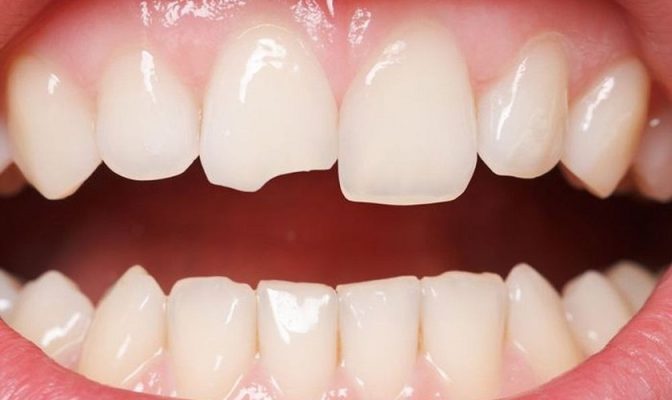
- Early cavities
- Gum disease
- Cracks or wear
- Bite issues
Recommended Frequency
Dental checkups every 6 months allow early detection and prevention.
HOW THESE HABITS AFFECT DENTAL WORK
Crowns, Veneers, and Implants
Harmful habits can shorten the lifespan of restorations by:
- Causing fractures
- Loosening components
- Triggering gum inflammation
Worldwide Dental Hospital often sees premature restoration failure due to unmanaged daily habits.
HOW TO BREAK DAMAGING HABITS
Increase Awareness
Recognizing harmful habits is the first step toward change.
Build Protective Routines
- Gentle brushing
- Daily flossing
- Hydration
- Stress management
Use Protective Appliances
Night guards and mouthguards prevent mechanical damage.

HOW WORLDWIDE DENTAL HOSPITAL HELPS PREVENT SILENT DAMAGE
Comprehensive Oral Examinations
Early detection of enamel wear, gum disease, and bite issues.
Personalized Preventive Plans
Tailored advice based on lifestyle and oral condition.
Advanced Diagnostic Technology
Digital imaging allows precise monitoring of subtle changes.
Patient Education
Worldwide Dental Hospital focuses on empowering patients to protect their smiles long-term.
What You Need to Know
Can everyday habits really damage teeth?
Yes. Many habits cause slow, cumulative damage without pain.
Is brushing harder better for cleaning?
No. Gentle brushing is far more effective and safer.
Can stress affect my teeth?
Yes. Stress often leads to grinding and clenching.
Are bleeding gums serious?
Yes. Bleeding is an early warning sign of gum disease.
How often should I see a dentist?
At least every 6 months for preventive care.
CONCLUSION
Many habits that damage teeth develop quietly and feel harmless—until significant dental problems arise. Understanding these behaviors and correcting them early can protect enamel, gums, and dental restorations for years to come. Prevention is always simpler, safer, and more cost-effective than treatment.
Worldwide Dental Hospital is committed to helping patients recognize hidden risks and build healthier daily habits through preventive care, education, and professional support. With awareness and the right guidance, you can protect your smile and maintain long-term oral health.
📞 Contact Worldwide Dental Hospital: (+84) 922.253.888
Schedule a dental checkup today and receive personalized advice to protect your teeth from everyday damage.