
Infection control is a critical foundation of safe and ethical dental care. Proper sterilization, strict hygiene protocols, and advanced safety systems protect patients, dental teams, and treatment outcomes. Understanding how infection control works helps patients make informed decisions when choosing a dental provider. Worldwide Dental Hospital shares its comprehensive safety standards to ensure the highest level of care and protection.
INTRODUCTION
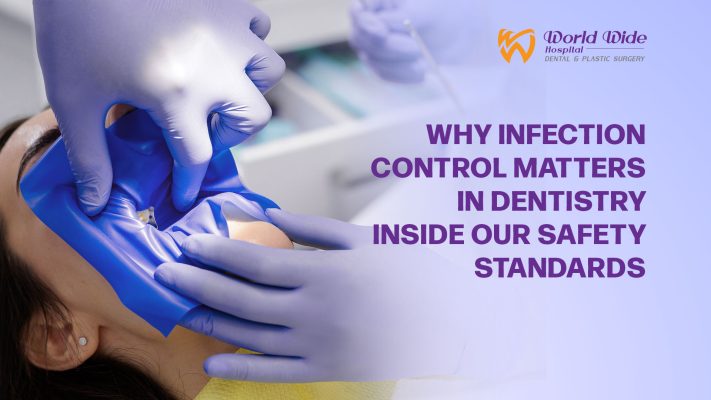
When patients think about dental care, they often focus on treatment results—beautiful smiles, restored function, and long-lasting outcomes. However, behind every successful dental procedure lies a critical but often invisible element: infection control.
Dentistry involves close contact with the oral cavity, blood, saliva, and aerosol-generating procedures. Without strict infection control protocols, the risk of cross-contamination and disease transmission increases significantly. This makes infection prevention not just a regulatory requirement, but a fundamental responsibility of every dental facility.
At Worldwide Dental Hospital, infection control is treated as a non-negotiable standard. This article explains why infection control matters in dentistry, what safety standards truly mean, and how advanced protocols protect patients at every stage of care.
WHY INFECTION CONTROL IS ESSENTIAL IN DENTISTRY
Preventing Cross-Contamination
Dental instruments and surfaces can transmit bacteria, viruses, and fungi if not properly sterilized.
Protecting Patients and Staff
Effective infection control safeguards both patients and dental professionals from infectious diseases.
Ensuring Treatment Safety
A sterile environment reduces the risk of post-treatment infections and complications.
Building Patient Trust
Transparent safety protocols reassure patients that their health is a top priority.
COMMON RISKS WITHOUT PROPER INFECTION CONTROL
Transmission of Infectious Diseases
Without strict protocols, diseases such as hepatitis, influenza, or other viral infections may spread.
Post-Treatment Infections
Improper sterilization can lead to infections following extractions, implants, or surgery.
Compromised Healing
Infections interfere with tissue healing and can cause treatment failure.
Worldwide Dental Hospital emphasizes that preventing these risks begins long before a patient enters the treatment room.
CORE PRINCIPLES OF DENTAL INFECTION CONTROL
Universal Precautions
All patients are treated as potentially infectious, ensuring consistent safety standards.
Sterilization and Disinfection
Instruments and surfaces must be cleaned, disinfected, and sterilized according to strict protocols.
Personal Protective Equipment (PPE)
Gloves, masks, gowns, and eye protection reduce exposure risks.
Environmental Control
Air quality, water systems, and clinical surfaces are carefully monitored.
INSTRUMENT STERILIZATION PROTOCOLS
Step 1: Cleaning and Decontamination
Why This Step Matters
Visible debris can interfere with sterilization effectiveness.
How It’s Done
- Ultrasonic cleaning
- Enzymatic solutions
- Thorough rinsing
Step 2: Packaging and Labeling
Purpose
Proper packaging maintains sterility until instrument use.
Tracking Systems
Each sterilized package is labeled with:
- Sterilization date
- Batch number
- Equipment identification
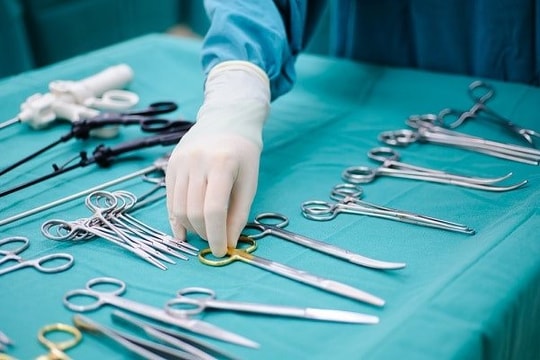
Step 3: Sterilization Using Medical-Grade Autoclaves
Advanced Autoclave Technology
Worldwide Dental Hospital uses hospital-grade autoclaves that eliminate bacteria, viruses, and spores through high-pressure steam.
Quality Assurance
- Biological indicators
- Chemical indicators
- Routine testing cycles
These measures confirm sterilization effectiveness.

SINGLE-USE AND DISPOSABLE MATERIALS
Why Single-Use Items Are Essential
Items such as needles, suction tips, and gloves are disposed of after each patient to eliminate cross-contamination.
Strict Disposal Protocols
Medical waste is handled according to regulated safety standards to protect patients, staff, and the environment.
CLINICAL ENVIRONMENT AND SURFACE DISINFECTION
Treatment Room Preparation
Before Each Patient
- Chair surfaces disinfected
- Equipment wiped with approved solutions
- Barriers replaced
After Each Patient
- Full surface disinfection
- Waste removal
- Air circulation protocols followed
Dental Unit Waterline Management
Why Waterlines Matter
Dental waterlines can harbor bacteria if not properly maintained.
Control Measures
- Regular flushing
- Water treatment systems
- Periodic testing
Worldwide Dental Hospital follows strict waterline management protocols to ensure patient safety.
AIR QUALITY AND AEROSOL CONTROL
Understanding Aerosol Risks
Dental procedures often generate aerosols that can carry microorganisms.
Advanced Air Filtration Systems
- High-efficiency particulate air (HEPA) filtration
- Controlled ventilation
- Regular maintenance
These systems significantly reduce airborne contamination.
PERSONAL PROTECTIVE EQUIPMENT (PPE) STANDARDS
Protecting Dental Professionals
PPE shields clinicians from exposure to blood and bodily fluids.
Protecting Patients
Proper PPE reduces the risk of transferring microorganisms between patients.
Strict Compliance
Worldwide Dental Hospital enforces PPE usage protocols without exception.
STAFF TRAINING AND CONTINUOUS MONITORING
Ongoing Education
Dental teams receive regular training on:
- Infection control updates
- Emergency protocols
- Sterilization procedures
Internal Audits
Routine inspections ensure compliance with international standards.
INFECTION CONTROL IN SURGICAL AND IMPLANT PROCEDURES
Surgical Sterility
Implant and oral surgery procedures require:
- Sterile surgical kits
- Controlled environments
- Enhanced sterilization protocols
Post-Surgical Safety
Proper infection control reduces the risk of implant failure and post-operative complications.
Worldwide Dental Hospital applies elevated safety standards for all surgical procedures.

HOW PATIENTS BENEFIT FROM STRICT INFECTION CONTROL
Lower Risk of Complications
Infections are significantly reduced.
Faster Healing
Clean environments support better tissue recovery.
Peace of Mind
Patients can focus on treatment results without safety concerns.
HOW WORLDWIDE DENTAL HOSPITAL MAINTAINS HIGH SAFETY STANDARDS
Hospital-Level Protocols
Infection control procedures align with international healthcare standards.
Advanced Equipment
Modern sterilization systems and monitoring technology ensure consistent safety.
Transparency and Accountability
Patients are welcome to ask about safety protocols at any time.
Culture of Responsibility
Every team member is trained to prioritize infection prevention.
What You Need to Know
Why is infection control critical in dentistry?
Because dental procedures involve exposure to blood, saliva, and aerosols.
Can poor infection control affect treatment outcomes?
Yes. It increases infection risk and delays healing.
Are all dental instruments reused safely?
Only after strict cleaning, sterilization, and verification processes.
How can patients know a clinic follows proper safety standards?
By observing transparency, PPE usage, and sterilization practices.
Why choose Worldwide Dental Hospital for dental care?
Because safety, hygiene, and patient protection are treated as top priorities.
CONCLUSION
Infection control is not an optional aspect of dental care—it is the foundation of safe, ethical, and successful treatment. From instrument sterilization and air filtration to staff training and environmental management, every step plays a vital role in protecting patient health.
Worldwide Dental Hospital is committed to maintaining the highest infection control standards through advanced technology, strict protocols, and a culture of responsibility. By prioritizing safety at every level, the hospital ensures that patients receive not only excellent dental results, but also complete peace of mind throughout their care journey.
📞 Contact Worldwide Dental Hospital: (+84) 922.253.888
Schedule a consultation today and experience dental care delivered with the highest standards of safety, hygiene, and professional excellence.