
Dental bridges and dental implants are two common options for replacing missing teeth. Both treatments restore appearance and function, but they differ in structure, procedure, and long-term value. When comparing costs, it is important to understand how each treatment works and what is included in the overall process. Although exact pricing varies between clinics, this guide explains the general cost considerations for bridges and implants and why patients may choose one option over the other.
Understanding Dental Bridges
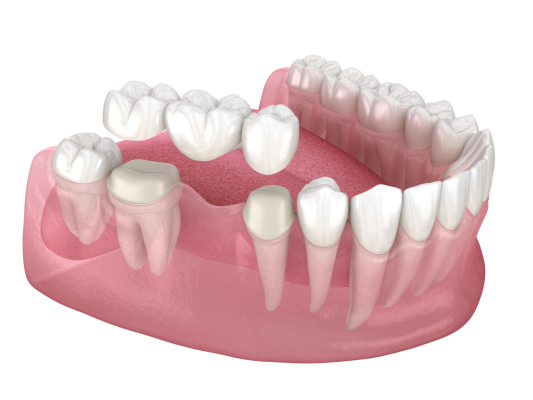
A dental bridge replaces a missing tooth by using the neighbouring teeth for support. The dentist prepares the surrounding teeth for crowns, which hold an artificial tooth in the middle. Bridges are widely used and can be made from porcelain, zirconia, or a combination of materials.
A bridge does not involve surgery. The procedure is usually completed within a shorter timeframe because it relies on existing teeth for support.
What Influences the Cost of a Dental Bridge?
Several factors contribute to the overall cost of a dental bridge:
- Number of teeth replaced
- Materials used
- Condition of surrounding teeth
- Laboratory fabrication
Because bridges depend on the supporting teeth, any additional treatment for these teeth can increase the cost. The durability of the bridge also depends on the health of the supporting teeth over time.
Understanding Dental Implants
A dental implant replaces a missing tooth by placing a titanium post into the jawbone. This post acts as an artificial root. After healing, an abutment and crown are attached. Implants are known for their strength and natural appearance because they function independently from the surrounding teeth.
Implant treatment takes longer because the bone needs time to integrate with the implant. This integration forms a stable foundation for the final restoration.
What Influences the Cost of a Dental Implant?
The cost of implant treatment depends on:
- Number of implants required
- Implant system used
- Need for imaging
- Need for bone support procedures
- Crown materials
- Duration of treatment and follow up care
Implants often involve more steps than bridges. This includes surgery, healing time, and final restoration.
General Cost Comparison
Dental bridges usually have a lower initial cost because they do not require surgery or implant materials. The process is relatively quick. Patients often complete the treatment within a few weeks once impressions and laboratory work are finished.
Dental implants generally involve a higher initial cost because they require surgical placement, advanced imaging, and specialised components. The treatment takes longer due to healing time. However, implants are known for long term strength and can last a lifetime with proper care.
When comparing costs, it is helpful to consider both immediate and long-term value.
Long Term Considerations
A dental bridge typically lasts many years, but its lifespan depends on the health of the supporting teeth. If one of the supporting teeth becomes weak or decayed, the entire bridge may need replacement. Regular maintenance is important to keep the area clean and protect the natural teeth.
Dental implants are designed to function like natural teeth and do not rely on neighbouring teeth for support. With good oral care, the implant post can last for a long time. The crown may need replacement over time due to normal wear, but the implant root generally remains stable.
For many patients, this long-term stability is an important factor when considering overall cost.
Why Someone Might Choose a Dental Bridge
A dental bridge may be recommended when:
- The surrounding teeth need crowns
- The patient prefers a faster treatment process
- Surgery is not suitable at the time
- Bone density is not ideal for implants
- The patient prefers a lower initial cost
A bridge restores appearance quickly because there is no healing period. Patients who want immediate improvement often consider this option. Bridges can also be a good choice when the supporting teeth already require treatment.
Why Someone Might Choose a Dental Implant
A dental implant may be recommended when:
- The patient wants a long-term solution
- The surrounding teeth are healthy
- Chewing strength is important
- The patient prefers a tooth replacement that does not rely on other teeth
- Bone density is suitable for implant placement
Implants support natural chewing and help maintain jawbone structure. Since implants do not involve the neighbouring teeth, they preserve the natural tooth structure around the treated area.

Treatment Timeline Comparison
Understanding the timeline helps you prepare for the process.
Dental Bridge Timeline
The typical steps include:
- Initial examination
- Tooth preparation
- Impressions for the laboratory
- Temporary bridge placement
- Final bridge placement
Many bridges are completed within two to three visits over a short period.
Dental Implant Timeline
Implant treatment usually includes:
- Examination and imaging
- Implant placement
- Healing period for bone integration
- Abutment placement
- Final crown placement
The timeline depends on individual healing and whether additional procedures are needed.
Maintenance and Care
Both bridges and implants require regular care.
Caring for a Dental Bridge
Patients must clean under the artificial tooth using specialised floss or tools to prevent plaque buildup. Regular dental visits help maintain the health of the supporting teeth.
Caring for a Dental Implant
Implants are cleaned like natural teeth. Daily brushing, flossing and regular checkups help maintain gum and bone health around the implant.
Asking the Right Questions
During your consultation, it may be helpful to ask:
- Which option suits my oral health?
- What is the expected lifespan of each treatment?
- Do I need additional procedures?
- What are the maintenance requirements?
- How long will the treatment take?
Clear information helps you choose the treatment that aligns with your goals.
Choosing the Right Option for Your Smile
Both dental bridges and dental implants are effective ways to replace missing teeth. The right choice depends on your oral health, budget, timeline, and long-term goals. Understanding the differences helps you make a confident decision.
To learn more or schedule a consultation, contact Dental Center Vietnam. Our team can guide you through your options and help you plan a treatment approach that supports lasting oral health.