
Choosing the right mouthwash and toothpaste after teeth whitening is essential to maintain results and reduce sensitivity. Certain products help protect enamel, soothe gums, and prevent re-staining, while others may cause irritation or discoloration. Understanding what to use—and what to avoid—can significantly extend whitening results. Worldwide Dental Hospital shares professional recommendations for safe and effective post-whitening oral care.
INTRODUCTION
Teeth whitening is one of the fastest and most effective ways to enhance your smile. Whether performed in-office or using professional take-home kits, whitening treatments lift stains and brighten enamel noticeably. However, the period after whitening is just as important as the procedure itself.
After whitening, teeth are temporarily more porous and sensitive. This makes them more vulnerable to staining, irritation, and enamel dehydration if the wrong oral care products are used. Many patients unknowingly shorten the lifespan of their whitening results by choosing unsuitable toothpaste or mouthwash.
Worldwide Dental Hospital emphasizes that post-whitening care is not about using the strongest products—but the right ones. This guide explains which mouthwash and toothpaste are best after teeth whitening, how they protect your smile, and which ingredients should be avoided.
WHY POST-WHITENING ORAL CARE MATTERS
Teeth Are More Porous After Whitening
Whitening opens microscopic pores in enamel to remove stains. These pores gradually close over several days.
Sensitivity Is Common
Hot, cold, and acidic stimuli may cause discomfort if enamel is irritated.
Improper Products Can Cause Re-Staining
Strong pigments, alcohol, or abrasive agents may penetrate enamel and reduce whitening longevity.
WHAT TO LOOK FOR IN TOOTHPASTE AFTER TEETH WHITENING
Low-Abrasive Formulas
Why Abrasiveness Matters
Abrasive toothpaste can scratch enamel, making it easier for stains to return.
What to Choose
- Low RDA (Relative Dentin Abrasivity) toothpaste
- Toothpaste labeled “enamel-safe” or “sensitive”
Potassium Nitrate or Arginine
How These Ingredients Help
They calm nerve endings and reduce post-whitening sensitivity.
Ideal For
Patients experiencing sharp pain when eating or drinking cold foods.
Fluoride for Enamel Protection
Benefits of Fluoride
- Strengthens enamel
- Reduces sensitivity
- Prevents cavities
Fluoride supports remineralization while enamel recovers.
Hydroxyapatite (Optional but Beneficial)
Why It’s Helpful
Hydroxyapatite mimics natural enamel and helps seal microscopic pores after whitening.
BEST TYPES OF TOOTHPASTE AFTER TEETH WHITENING
Sensitive Toothpaste
These are the safest and most recommended options.
Benefits:
- Gentle on enamel
- Reduces sensitivity
- Maintains whitening results
Non-Peroxide Whitening Toothpaste
Why Non-Peroxide Matters
Peroxide-based toothpaste can over-dry enamel and worsen sensitivity.
Safe Whitening Toothpaste Options
- Stain-prevention toothpaste
- Enzyme-based formulas
Toothpaste to Avoid After Whitening
Avoid toothpaste that contains:
- Charcoal
- Baking soda (high concentration)
- Strong whitening abrasives
These can damage enamel and dull results over time.
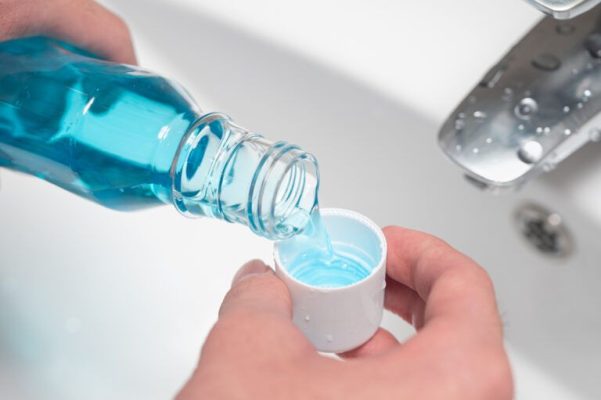
WHAT TO LOOK FOR IN MOUTHWASH AFTER TEETH WHITENING
Alcohol-Free Formulas
Why Alcohol Is a Problem
Alcohol dries the mouth, increases sensitivity, and may irritate gums.
Neutral or Mild pH
Why pH Matters
Acidic mouthwash can weaken enamel and increase sensitivity after whitening.
Fluoride or Remineralizing Agents
These help:
- Strengthen enamel
- Reduce sensitivity
- Protect whitening results
Soothing Ingredients
Look for:
- Aloe vera
- Chamomile
- Xylitol
These calm gums and reduce irritation.
BEST TYPES OF MOUTHWASH AFTER TEETH WHITENING
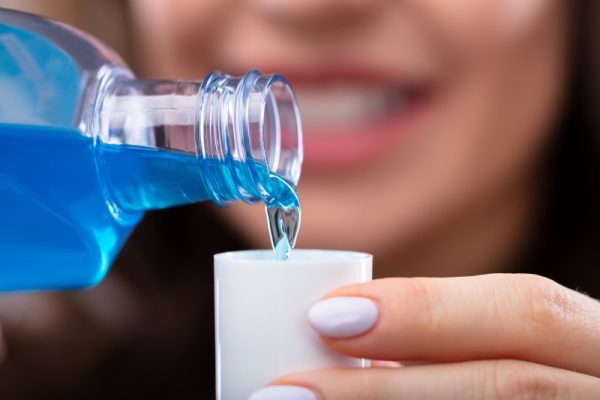
Sensitive Mouthwash
Designed to protect enamel and reduce discomfort.
Benefits:
- Gentle on gums
- Maintains moisture
- Supports enamel recovery
Fluoride Mouthwash
Helps strengthen enamel and prevent re-staining.
Mouthwash to Avoid After Whitening
Avoid mouthwash that contains:
- Alcohol
- Chlorhexidine (unless prescribed)
- Strong coloring agents
Chlorhexidine may cause staining when used long-term.
HOW TO USE TOOTHPASTE AND MOUTHWASH PROPERLY AFTER WHITENING
Brushing Technique
Best Practices
- Use a soft-bristle toothbrush
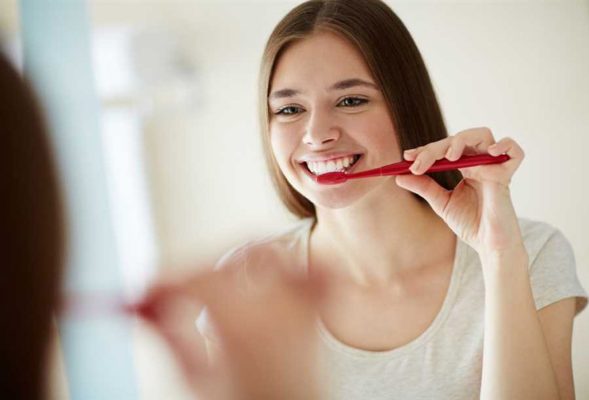
- Brush gently for two minutes
- Avoid excessive pressure
Rinsing Technique
Timing Matters
- Wait at least 30 minutes after brushing before using mouthwash
- Avoid rinsing immediately after whitening treatments
Frequency
- Brush twice daily
- Use mouthwash once or twice daily unless advised otherwise
DIET AND HABITS THAT SUPPORT WHITENING RESULTS
Avoid Staining Foods for 48–72 Hours
Limit:
- Coffee
- Tea
- Red wine
- Dark sauces
Stay Hydrated
Water helps neutralize acids and wash away pigments.
Avoid Smoking
Smoking significantly reduces whitening longevity.
SPECIAL CONSIDERATIONS FOR IN-OFFICE WHITENING
First 24 Hours Are Critical
Teeth are most vulnerable to staining during this period.
Follow Dentist Recommendations
Worldwide Dental Hospital provides personalized product recommendations based on enamel condition and sensitivity level.
LONG-TERM MAINTENANCE OF WHITENING RESULTS
Professional Cleaning
Regular cleaning removes surface stains before they penetrate enamel.
Touch-Up Treatments
Occasional professional touch-ups help maintain brightness safely.
HOW WORLDWIDE DENTAL HOSPITAL GUIDES POST-WHITENING CARE
Personalized Product Advice
Recommendations are tailored to sensitivity level and enamel health.
Professional Whitening Systems
Safe whitening protocols reduce post-treatment sensitivity.
Follow-Up Support
Patients receive guidance on maintaining results at home and abroad.
What You Need to Know
Can I use whitening toothpaste after whitening treatment?
Yes, but choose non-abrasive, non-peroxide formulas.
Is mouthwash necessary after whitening?
Yes—alcohol-free mouthwash helps protect enamel and reduce sensitivity.
How long does sensitivity last after whitening?
Usually 24–72 hours, sometimes up to one week.
Can charcoal toothpaste ruin whitening results?
Yes. Charcoal is abrasive and can damage enamel.
When can I return to normal oral care products?
After sensitivity subsides and enamel stabilizes, usually within 1–2 weeks.

CONCLUSION
Choosing the best mouthwash and toothpaste after teeth whitening is essential for protecting enamel, reducing sensitivity, and preserving your brighter smile. Gentle, fluoride-based, and alcohol-free products support enamel recovery while preventing re-staining. Avoiding abrasive or harsh formulas ensures that whitening results last longer and remain comfortable.
Worldwide Dental Hospital provides professional whitening treatments along with personalized aftercare guidance, helping patients maintain safe, long-lasting results. With the right products and habits, your whiter smile can stay radiant well beyond the initial treatment.
📞 Contact Worldwide Dental Hospital: (+84) 922.253.888
Schedule your teeth whitening consultation or aftercare check and receive expert guidance to maintain a brighter, healthier smile.