
What you eat after dental treatment plays a vital role in how quickly and comfortably you heal. The right foods can reduce inflammation, support tissue repair, and protect sensitive areas, while the wrong choices may slow recovery. Understanding post-treatment nutrition helps patients recover safely and effectively. Worldwide Dental Hospital shares expert guidance on the best foods to support healing after dental care.
INTRODUCTION
After dental treatment—whether it is a tooth extraction, dental implant, crown placement, or gum therapy—your mouth needs time to heal. During this period, food choices are just as important as medication and oral hygiene. Eating the wrong foods can irritate healing tissues, increase pain, or even cause complications. On the other hand, choosing the right foods can significantly speed up recovery and improve comfort.
Worldwide Dental Hospital emphasizes that post-treatment nutrition is a key but often overlooked part of dental aftercare. Healing requires protein, vitamins, minerals, and hydration. Soft, nutrient-rich foods help protect the surgical site while providing the body with what it needs to repair tissue and bone.
This article explains which foods help you heal faster after dental treatment, which foods to avoid, and how to build a recovery-friendly diet that supports long-term oral health.
WHY FOOD CHOICES MATTER AFTER DENTAL TREATMENT
Supports Tissue and Bone Healing
Dental treatments often involve gum tissue, bone, or both. Nutrients such as protein, vitamin C, calcium, and zinc are essential for repair and regeneration.
Reduces Inflammation and Discomfort
Certain foods naturally reduce inflammation, helping to control swelling and pain.
Prevents Irritation and Complications
Soft foods protect stitches, blood clots, and sensitive areas from disruption.
Maintains Energy and Immunity
Proper nutrition strengthens the immune system, reducing the risk of infection.
BEST FOODS TO EAT AFTER DENTAL TREATMENT
SOFT FOODS THAT PROTECT HEALING AREAS
Yogurt
Yogurt is easy to eat and rich in protein and probiotics.
Benefits:
- Supports immune health
- Easy to swallow
- Helps maintain healthy oral bacteria
Choose plain, unsweetened yogurt to avoid excess sugar.
Mashed Potatoes
Mashed potatoes provide energy without requiring chewing.
Benefits:
- Soft texture reduces pressure on teeth and gums
- Rich in carbohydrates for recovery
- Can be fortified with protein or calcium
Avoid very hot temperatures, which can increase inflammation.
Scrambled Eggs
Eggs are one of the best protein sources for healing.
Benefits:
- Supports tissue repair
- Soft and easy to chew
- Rich in vitamins A and D
Scrambled or softly cooked eggs are ideal during the early recovery phase.
Smoothies (Without a Straw)
Smoothies are nutrient-dense and gentle on the mouth.
Benefits:
- Easy to customize with fruits and vegetables
- Supports hydration
- Provides vitamins and antioxidants
Avoid using a straw, as suction can disturb healing sites.
PROTEIN-RICH FOODS FOR FASTER HEALING
Protein Is Essential for Recovery
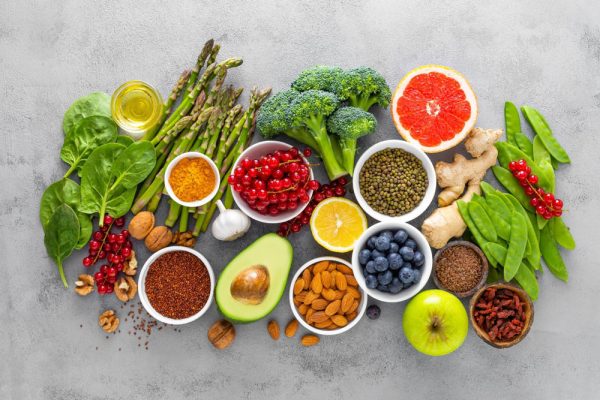
Protein supports cell regeneration, wound healing, and bone strength—especially important after implants or extractions.
Soft Fish
Fish such as salmon or tilapia is easy to chew and nutrient-rich.
Benefits:
- High-quality protein
- Omega-3 fatty acids reduce inflammation
- Supports bone and tissue healing
Cook fish until soft and flaky to avoid irritation.
Tofu
Tofu is an excellent plant-based protein option.
Benefits:
- Very soft texture
- Easy to digest
- Rich in calcium and iron
Ideal for patients who prefer vegetarian options.
Well-Cooked Beans and Lentils
These provide protein and fiber when cooked until soft.
Benefits:
- Supports energy levels
- Contains zinc for healing
- Helps maintain digestion
Mash if needed to reduce chewing.
FRUITS AND VEGETABLES THAT PROMOTE HEALING
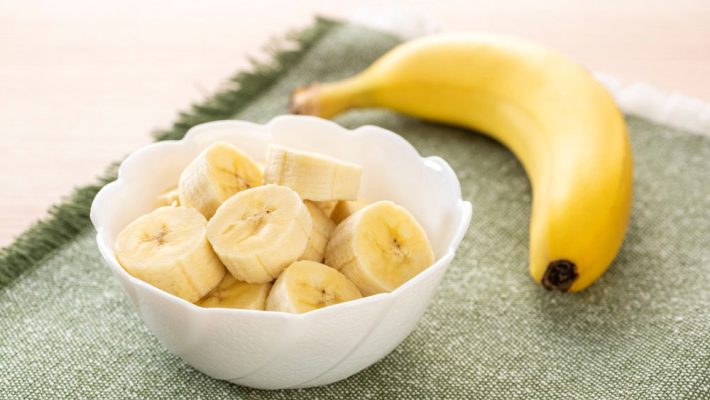
Bananas
Bananas are soft and easy to eat.
Benefits:
- Rich in potassium
- Supports muscle and nerve function
- Gentle on healing gums
Avocados
Avocados provide healthy fats that reduce inflammation.
Benefits:
- Soft texture
- Rich in vitamin E
- Supports tissue repair
Mash avocados for easier consumption.
Steamed Vegetables
Vegetables such as carrots, spinach, and zucchini should be well-cooked.
Benefits:
- Provides vitamins A and C
- Supports immune function
- Soft texture protects healing areas
Avoid raw vegetables until healing progresses.
FOODS THAT SUPPORT BONE HEALTH
Dairy Products
Milk, cheese, and yogurt are rich in calcium and phosphorus.
Benefits:
- Strengthens jawbone
- Supports implant integration
- Helps maintain tooth structure
Choose soft cheeses during early recovery.
Fortified Plant Milks
Almond, soy, or oat milk fortified with calcium and vitamin D can be good alternatives.
HYDRATION AND HEALING
Water
Staying hydrated supports circulation and tissue repair.
Tips:
- Sip water throughout the day
- Avoid very cold or hot beverages
Herbal Teas (Lukewarm)
Chamomile or ginger tea can soothe inflammation.
Avoid caffeinated or very hot drinks during early healing.
FOODS TO AVOID DURING RECOVERY
Hard and Crunchy Foods
Avoid:
- Nuts
- Chips
- Popcorn
These can damage healing tissues or dislodge blood clots.
Sticky Foods
Avoid:
- Caramel
- Chewing gum
- Toffee
Sticky foods can pull on sutures or restorations.
Spicy and Acidic Foods
Avoid:
- Chili
- Citrus fruits
- Vinegar-based foods
These can irritate sensitive areas and increase pain.
Alcohol
Alcohol delays healing and interferes with medication.
Worldwide Dental Hospital recommends avoiding alcohol for at least 72 hours after treatment.
BUILDING A HEALING-FRIENDLY MEAL PLAN
First 24–48 Hours
Focus on:
- Yogurt
- Smoothies
- Soup (lukewarm)
- Scrambled eggs
Days 3–5
Gradually add:
- Soft fish
- Mashed vegetables
- Soft rice or pasta
After One Week
Most patients can slowly return to normal foods, depending on their procedure and comfort level.
SPECIAL CONSIDERATIONS FOR IMPLANTS AND SURGERY
Dental Implants
Avoid chewing directly on the implant site until cleared by your dentist.
Extractions
Protect the blood clot by avoiding hard foods and suction.
Gum Surgery
Soft, cool foods reduce irritation and swelling.
What You Need to Know
Why does food matter after dental treatment?
Because proper nutrition speeds healing and reduces complications.
Are smoothies safe after dental surgery?
Yes, as long as you avoid straws.
How long should I eat soft foods?
Usually 3–7 days, depending on the procedure.
Can dairy products slow healing?
No—dairy supports bone health unless otherwise advised.
When can I return to a normal diet?
When discomfort subsides and your dentist confirms healing is progressing well.
CONCLUSION
Choosing the right foods after dental treatment can significantly improve comfort, speed up healing, and protect your dental work. Soft, nutrient-rich meals support tissue repair while minimizing irritation to sensitive areas. Avoiding hard, spicy, or sticky foods reduces the risk of complications and ensures smoother recovery.
Worldwide Dental Hospital provides personalized aftercare guidance, including dietary recommendations tailored to each patient’s treatment. With proper nutrition and professional support, you can heal faster and return confidently to your normal routine.
📞 Contact Worldwide Dental Hospital: (+84) 922.253.888
Schedule your consultation or post-treatment follow-up and receive expert aftercare advice to support a smooth and healthy recovery.