
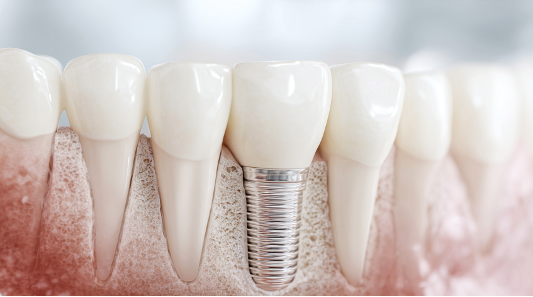
Dental implant surgery is an important step toward restoring the function and appearance of your smile. After your procedure, your mouth needs time to heal so the implant can integrate securely with the jawbone. This healing period is supported by good oral care, rest, and the right food choices. Eating suitable foods protects the surgical area, reduces discomfort, and lowers the risk of complications.
Knowing what foods to avoid helps you look after your implant from the first day of recovery. The list below explains which foods can cause problems and why they should be limited during healing. Your dentist will give you personalised advice based on your treatment plan, but these general guidelines are useful for anyone recovering from dental implant surgery.
Hard Foods
Hard foods are difficult to chew and require strong pressure from the jaw. This can disturb the implant site while it is sensitive and still stabilising. The gum tissue around the implant is also delicate after surgery. Hard textures may irritate the area or cause bleeding.
Common hard foods to avoid include nuts, seeds, crusty bread, crackers, raw carrots, apples, popcorn and hard chips. Even small particles from nuts or seeds can enter the healing site and lead to irritation. Hard bread such as baguettes or toasted slices can scratch tender surgical areas.
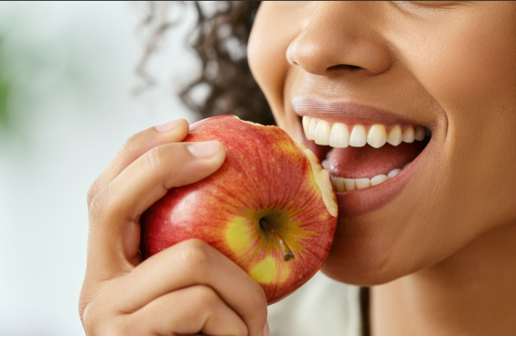
Avoiding these foods reduces strain on the implant and keeps the gum tissue protected. Choose soft alternatives such as mashed vegetables, soft fruits, steamed vegetables, or well–cooked grains during the early healing period.
Chewy Foods
Chewy foods require repeated biting and stretching movements from the jaw. This can place pressure on the implant before it has integrated with the bone. It may also pull on the sutures and slow the healing of surrounding tissues.
Foods such as chewy bread, tough meat, sticky rice cakes, and certain snack bars should be avoided. Even though some of these foods may appear soft, the chewing motion they require can cause discomfort. Tough cuts of meat can be particularly challenging because they require forceful grinding movements.
Selecting easier options like minced meat, shredded chicken, or soft fish allows you to maintain good nutrition without stressing the implant site.
Sticky Foods
Sticky foods can cling to the surgical area and are difficult to remove through gentle brushing. When food sticks to the implant site, it increases the risk of infection. Sticky textures may also pull on the implant or sutures and disturb the delicate early stage of healing.
Examples include caramel, chewing gum, taffy, dried fruit, sticky rice, toffee, and certain sweets. These textures may become lodged around the implant, making hygiene more difficult. Since proper cleaning is essential after surgery, avoiding sticky options keeps the area cleaner and protected.
Soft, non-adhesive foods such as yoghurt, soups, and smoothies are easier to manage during the first few weeks.
Crunchy Foods
Crunchy foods can easily break into small sharp pieces. These pieces can irritate the gum tissue and cause discomfort when they come into contact with the surgical site. Crunchy foods often require vigorous chewing, which can place unnecessary pressure on the implant.
Avoid foods like chips, biscuits, pretzels, and corn flakes. Even small fragments can create problems if they reach the healing area. It is safer to choose foods that remain soft while chewing, such as porridge, soft scrambled eggs, or cooked pasta.
Spicy Foods
Spicy foods can cause discomfort after dental implant surgery because the tissues in the mouth are sensitive following the procedure. Ingredients such as chilies, pepper sauces, and spicy seasonings may cause a burning sensation. This can lead to inflammation and irritation near the implant site.
Spicy food can also increase blood flow to the mouth, which may lead to sensitivity during the early phase of recovery. Healing tissues respond better to mild, gentle food choices. Choose mild flavours until your dentist confirms you can return to your usual diet.
Acidic Foods and Drinks
Acidic foods and drinks can cause irritation to the soft tissues around the implant. After surgery, the mouth is more sensitive and acidic ingredients may delay healing or increase discomfort. Citrus fruits, tomatoes, vinegar based dressings, carbonated drinks, and fruit juices with high acidity should be avoided.
Acidic drinks can also weaken the protective environment in the mouth and make it easier for bacteria to grow. Rinsing with water after meals is recommended once your dentist confirms that rinsing is safe. Choose non-acidic foods such as bananas, steamed vegetables, and plain grains during the first stage of healing.
Very Hot Foods and Drinks
Temperature plays an important role in comfort after surgery. Very hot foods and drinks may interfere with clot formation and increase sensitivity around the surgical area. Hot temperatures can irritate healing tissue and prolong discomfort.
Hot soup, hot tea, and freshly cooked foods should be allowed to cool before consumption. Choosing warm or room temperature meals helps reduce irritation and supports the healing process. Cold foods like yoghurt or smoothies are often soothing in the first few days.
Alcohol
Alcohol should be avoided during the initial healing period because it can interfere with tissue repair. It may slow recovery and can interact with medications often prescribed after implant surgery. Alcohol can also dry the mouth, which may affect the healing environment.
Avoid wine, beer, and strong spirits until your dentist confirms it is safe to resume drinking. Hydrating with water is the best choice during recovery.
Why Following Food Guidelines Matters
Your implant needs time to fuse with the jawbone. This process is known as osseointegration. Good healing depends on minimal movement of the implant, clean oral conditions and healthy surrounding tissues. Choosing suitable foods helps protect the surgical area from unnecessary strain.
When the implant heals correctly, it becomes stable enough to support crowns, bridges, or full arch restorations. Following the recommended diet also reduces discomfort and lowers the risk of complications.
Foods You Can Choose Instead
Although certain foods should be avoided, there are many suitable alternatives that provide comfort and nutrition. Soft foods are recommended during the first stage of healing. These include:
- Mashed potatoes
- Smooth soups
- Soft noodles or pasta
- Soft cooked vegetables
- Scrambled eggs
- Yoghurt
- Smoothies
- Soft fish
- Porridge
As you heal, your dentist will guide you on how and when to return to a normal diet.
When to Return to Normal Eating
Recovery times vary depending on the number of implants, your health, and any supporting procedures such as bone grafting. Most patients begin introducing firmer foods gradually once sensitivity has reduced. Always follow your dentist’s specific instructions, as they will tailor advice to your individual case.
Supporting Healing Through Good Food Choices
Careful food selection is an important part of your recovery after dental implant surgery. Soft textures, mild flavours, and low acidity help protect the surgical area. Avoiding foods that are hard, chewy, sticky, crunchy, spicy, or very hot reduces strain and supports the healing of gum and bone tissue.
Your dentist will review your progress during follow up appointments and guide you through each stage of diet progression. If you have any questions or concerns during your recovery, you can contact your dental team for assistance.