

Curious about the cost of cavity fillings in Vietnam? Learn about average prices, filling types, and why Worldwide Dental Hospital in Ho Chi Minh City is a trusted choice for safe, affordable, and high-quality dental care.
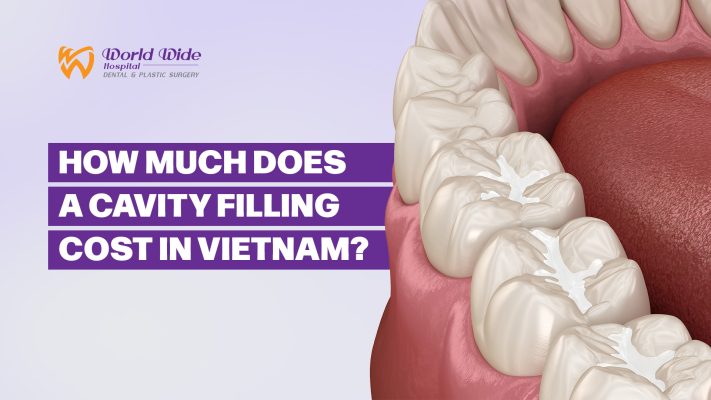
WHY CAVITY FILLINGS ARE IMPORTANT
Tooth decay is one of the most common dental problems worldwide — and if left untreated, it can lead to pain, infection, and even tooth loss.
A cavity filling is a simple and effective way to restore your tooth’s structure, stop decay, and prevent further damage.
What Is a Cavity Filling?
A filling replaces the decayed part of your tooth with durable material. It seals the area, protects the nerve, and restores normal function and appearance.
At Worldwide Dental Hospital, fillings are performed using modern composite and ceramic materials, ensuring strength, aesthetics, and comfort — all under the care of internationally trained dentists.
HOW MUCH DOES A CAVITY FILLING COST IN VIETNAM?
The cost of dental fillings in Vietnam depends on the material used, cavity size, and the dentist’s expertise.
Average Cavity Filling Cost (2025)
| Type of Filling | Average Cost (USD per tooth) | Description |
| Silver Amalgam Filling | 20 – 30 | Durable but less aesthetic, rarely used today. |
| Composite (Tooth-Colored) Filling | 25 – 50 | Natural-looking, strong, and commonly used. |
| Glass Ionomer Filling | 30 – 50 | Ideal for small cavities or children. |
| Ceramic / Porcelain Filling (Inlay/Onlay) | 100 – 250 | Premium option with long-lasting results. |
At Worldwide Dental Hospital, the price for a standard composite filling starts from 25 USD per tooth, while ceramic inlays or onlays cost around 120–200 USD, depending on complexity.
In comparison, the same filling in Australia or the U.S. may cost 150–400 USD, making Vietnam a highly affordable yet high-quality option.

FACTORS THAT AFFECT THE COST
Several elements influence the final price of your filling:
1. Size and Depth of the Cavity
Smaller cavities require less material and time, while deep or multiple-surface cavities may need layered fillings.
2. Material Type
Composite and ceramic fillings cost more than amalgam due to their superior aesthetics and biocompatibility.
3. Tooth Location
Fillings on molars are typically more complex and slightly more expensive due to their size and chewing pressure.
4. Dentist’s Expertise
Experienced cosmetic dentists ensure a natural look, precise fit, and long-lasting restoration.
5. Technology Used
At Worldwide Dental Hospital, digital X-rays, intraoral scanners, and magnification systems are used to ensure accuracy and patient comfort.
THE FILLING PROCEDURE STEP BY STEP
Modern cavity fillings are quick, painless, and completed within one appointment.
Step 1: Consultation and Examination
The dentist examines your teeth using digital X-rays to determine the size and depth of decay.
Step 2: Local Anesthesia (if needed)
For deeper cavities, a small dose of anesthesia ensures the procedure is completely pain-free.
Step 3: Cleaning the Decayed Area
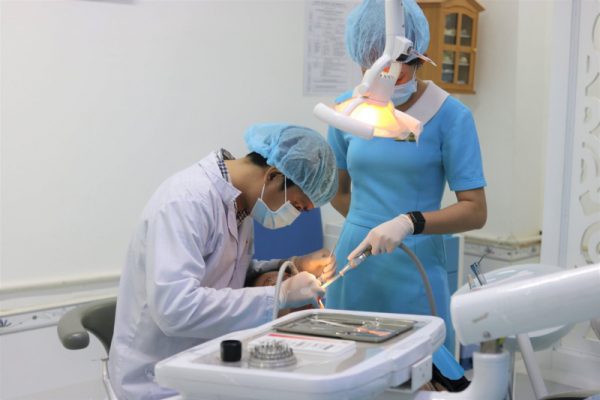
The decayed portion is gently removed using advanced rotary tools, leaving healthy tooth structure intact.
Step 4: Filling Placement
Composite or ceramic material is applied in layers, shaped, and hardened using a special curing light.
Step 5: Polishing and Bite Check
The filling is polished for a smooth surface and adjusted for a comfortable bite.
The entire process takes 30–60 minutes and restores both function and beauty to your smile.

TYPES OF DENTAL FILLINGS
1. Composite Fillings
- Tooth-colored and blend naturally with your smile.
- Ideal for front or back teeth.
- Strong, durable, and aesthetically pleasing.
2. Ceramic Fillings (Inlay/Onlay)
- Made from porcelain or E.max ceramic.
- Perfect for large cavities or broken teeth.
- Resistant to staining and wear.
3. Glass Ionomer Fillings
- Common for children or small cavities near the gumline.
- Releases fluoride to protect against future decay.
4. Amalgam Fillings (Less Common)
- Made from a mix of metals.
- Very durable but not aesthetic — rarely used at Worldwide Dental Hospital.
IS A CAVITY FILLING PAINFUL?
Not at all. With modern anesthesia and technology, the process is completely painless.
Patients typically feel only minor pressure during the procedure.
After treatment, it’s normal to have slight sensitivity to hot or cold for a few days — this fades quickly.
At Worldwide Dental Hospital, even anxious patients find comfort thanks to gentle, expert care and advanced numbing systems.
WHY EXPATS CHOOSE WORLDWIDE DENTAL HOSPITAL
1. International-Standard Materials
Worldwide uses only imported composite and E.max ceramic materials for long-lasting and aesthetic results.
2. Experienced Cosmetic Dentists
All dentists are internationally certified, ensuring precise color matching and natural restorations.
3. Digital Technology
CAD/CAM and intraoral scanners guarantee a perfect fit and accuracy.
4. Transparent Pricing
Clear cost breakdown before every procedure — no hidden fees.
5. Convenient Central Location
Located in downtown Ho Chi Minh City, easily accessible for expats and dental tourists.
AFTERCARE TIPS FOR LONG-LASTING FILLINGS
Do’s
- Brush twice daily with fluoride toothpaste.
- Floss gently to prevent plaque buildup.
- Visit your dentist every 6 months for check-ups and cleaning.
- Use a soft-bristled toothbrush to avoid damaging the filling.
Don’ts
- Avoid biting on hard foods like ice or bones.
- Refrain from grinding teeth — use a nightguard if needed.
- Don’t skip dental visits, even if there’s no pain.
With proper care, composite and ceramic fillings can last 8–15 years or more.
COST COMPARISON: VIETNAM VS. OTHER COUNTRIES
| Country | Composite Filling (USD per tooth) | Ceramic Inlay (USD per tooth) | Notes |
| Vietnam | 25 – 200 | 100 – 250 | Affordable, modern technology. |
| Thailand | 50 – 250 | 150 – 300 | Popular with dental tourists. |
| Australia | 150 – 400 | 400 – 800 | High labor and insurance fees. |
| USA | 180 – 500 | 500 – 1,000 | Expensive without insurance. |
By choosing Vietnam, patients save up to 70% while enjoying premium-quality treatment at internationally accredited clinics.
[bs điều trị răng]
FAQ – CAVITY FILLINGS IN VIETNAM
How long does a filling take?
Usually 30–60 minutes per tooth, depending on size and complexity.
Can old fillings be replaced?
Yes. Old or worn fillings can be replaced with new composite or ceramic materials for better strength and aesthetics.
How often should fillings be checked?
Every 6–12 months during your routine dental cleaning.
Can foreigners get treatment easily in Vietnam?
Absolutely. Worldwide Dental Hospital welcomes international patients and provides English-speaking service.
WHY WORLDWIDE DENTAL HOSPITAL IS YOUR BEST CHOICE
- 30+ years of expertise in restorative and cosmetic dentistry.
- In-house CAD/CAM laboratory for fast, precise results.
- Internationally trained, English-speaking dentists.
- European sterilization and hygiene standards.
- Trusted by patients from 40+ countries.
CONCLUSION
The cost of cavity fillings in Vietnam ranges from 25–250 USD, depending on the material and complexity.
At Worldwide Dental Hospital, patients receive safe, aesthetic, and long-lasting restorations using international materials and cutting-edge digital technology.
Whether you’re an expat or a traveler seeking reliable dental care, Vietnam — and especially Worldwide Dental Hospital — offers the perfect blend of affordability, precision, and quality.
📞 Contact Worldwide Dental Hospital: (+84) 922.253.888