

Choosing the perfect veneer shade is one of the most important steps in achieving a natural, beautiful smile. This guide explains how to select the ideal shade based on skin tone, facial features, lighting conditions, age, and aesthetic goals—based on veneer standards at Worldwide Dental Hospital in Vietnam.
Introduction: Why Veneer Shade Selection Matters
Veneers can dramatically transform your smile, but the key to achieving a natural and harmonious result lies in selecting the right shade. Even the most precisely crafted veneers can appear artificial if the color does not match your skin tone, facial proportions, or natural tooth characteristics.
While some patients prefer a brighter Hollywood-style shade, others want a subtle enhancement that looks effortlessly natural. Shade selection is both a science and an art, requiring expertise in color theory, facial aesthetics, and digital smile design. At Worldwide Dental Hospital, veneer shade selection is performed using professional shade guides, digital scanning, facial analysis, and personalized consultations.
This guide breaks down the most important considerations to help you understand how the “perfect shade” is chosen—and how to ensure your veneers look natural, radiant, and uniquely yours.
Understanding Veneer Shade Systems
The Basics of Shade Guides
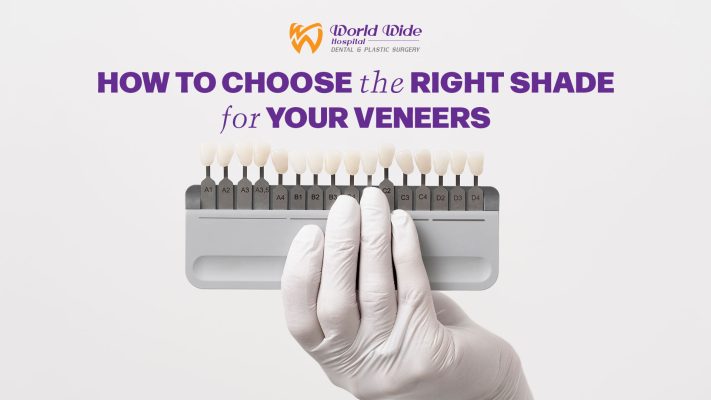
Dental veneer shades are categorized using standardized systems like the VITA shade guide. Shades are divided into four main groups:
- A (reddish brown)
- B (reddish yellow)
- C (grey)
- D (reddish grey)
Each group has different brightness levels, from darker tones like A4 or C4 to brighter, whiter tones like BL1 or BL2.
What Are Bleach Shades?
Bleach shades (BL1–BL4) are specifically designed for cosmetic dentistry, offering whiter-than-natural options commonly used in Hollywood-style smiles.
At Worldwide Dental Hospital, both natural shades and bleach shades are available, depending on patient preferences and suitability.
Factors to Consider When Choosing Your Veneer Shade
Choosing a veneer shade is not simply about selecting the “whitest” option. Many factors influence which shade will look best on you.
Skin Tone and Complexion
Matching Veneer Shade to Your Skin Tone
Your skin tone plays a major role in how bright your veneers appear. Certain shades harmonize better with specific complexions, creating a balanced and natural look.
For Fair or Light Skin Tones
Bright shades such as BL2 or BL3 look natural because they complement lighter complexions. Extremely bright shades like BL1 may still look good but can appear slightly artificial if the hair or eyebrows are dark.
For Medium or Olive Skin Tones
Warm shades (A1, A2, B1) or moderate bleach shades (BL3, BL4) usually produce the most natural effect. They maintain brightness without creating a stark contrast against the skin.
For Tan or Deep Skin Tones
Slightly brighter shades often look stunning because deeper skin creates a natural contrast. Shades like BL2, BL3, or B1 provide a radiant, balanced look.
Facial Features and Lip Shape
How Facial Structure Influences Shade Selection
Teeth that are too bright may overpower delicate facial features, while teeth that are too subdued may look dull in a broad or angular face. Veneers should complement:
- Lip thickness
- Smile width
- Cheekbone structure
- Face shape
For example:
- Full lips can balance brighter veneer shades.
- Narrow lips may look more natural with softer, warmer tones.
- High cheekbones and prominent jaws pair well with symmetrical, bright veneers.
Your Age and Desired Aesthetic Outcome
Choosing a Shade That Fits Your Age Group
Younger smile naturally have more brightness and translucency. As people age, enamel wears down and teeth become slightly darker.
If You Want a Youthful, Fresh Look
Whiter shades (BL2, BL3) or natural brights (A1, B1) give a rejuvenating effect.
If You Prefer a Subtle, Mature Look
Neutral tones (A2, B2) offer a refined, understated appearance.
Long-Term Considerations
Because veneers last 10–15+ years, selecting a shade that will still look natural as you age is important.
Translucency and Light Reflection
Understanding Translucency in Veneer Aesthetics
Veneers are not just about color—the level of translucency affects how natural they appear. Real enamel is translucent, reflecting light in a specific way.
High Translucency Veneers
- Look more natural
- Show depth and light reflection
- Best for front teeth
Low Translucency Veneers
- Provide strong whitening effect
- Hide underlying discoloration
- Best for severely stained teeth
At Worldwide Dental Hospital, digital smile design allows patients to preview how different translucency levels will look in various lighting conditions.
Your Existing Tooth Color
How Natural Color Affects Shade Selection
Your natural tooth color determines how bright you should go. If your underlying enamel is:
- Very dark, extremely white veneers may reveal contrast at the margins.
- Moderately stained, selecting a shade 2–3 levels brighter often looks best.
- Already light, a natural bright shade like B1 or BL4 may be ideal.
Dentists may also recommend whitening the surrounding teeth before veneer placement to ensure consistency
Lifestyle and Daily Habits
How Coffee, Tea, and Smoking Influence Shade Choice
Although veneers are stain-resistant, your gumline and remaining natural teeth are not. If you frequently consume:
- Coffee
- Black tea
- Wine
- Turmeric-rich foods
- Tobacco
You may choose a slightly warmer or slightly less bright shade to maintain a balanced long-term appearance.
Bright shades may show contrast more easily if the surrounding teeth darken.
Digital Smile Design and Shade Preview
Why Digital Smile Simulation Helps
Worldwide Dental Hospital uses advanced digital smile design software, allowing you to preview veneer shades before treatment. This ensures confidence in your final choice.
Digital tools allow evaluation in:
- Natural sunlight
- Indoor white light
- Warm indoor light
- Photographic conditions
This prevents the common mistake of choosing an overly bright shade that looks unnatural in real life.

Popular Veneer Shades in Vietnam
Most Requested Shades Among International Patients
- BL2: Bright but still natural
- BL3: Universal favorite, balanced brightness
- A1: Soft natural white for subtle enhancement
- B1: Classic natural bright shade
- BL1: Hollywood white—best for those wanting maximum brightness
Worldwide Dental Hospital often recommends BL2 or BL3 for most patients because they provide a photo-ready smile while still blending naturally with facial features.
Common Mistakes When Choosing Veneer Shades
Going Too White Without Considering Contrast
Extremely bright shades can sometimes overpower facial harmony or highlight differences between veneers and natural teeth.
Ignoring Gum and Lip Color
Pink, healthy gums and darker lip tones influence how white veneers look.
Choosing Based on Trend Instead of Suitability
What looks good on celebrities may not suit your facial proportions or complexion.
Not Considering Long-Term Aging
Teeth naturally darken with age, so selecting an extreme shade may look less natural as time passes.

How Worldwide Dental Hospital Helps You Choose the Best Shade
Worldwide Dental Hospital follows a multi-step, personalized approach to veneer shade selection:
Professional Shade Analysis
Using advanced shade guides and spectrophotometers for precise color matching.
Digital Smile Design
Simulates various shades directly on your smile before treatment begins.
Facial and Skin Tone Evaluation
Ensures harmony between veneer color and overall appearance.
Customized Recommendations
Dentists provide professional insights on longevity, translucency, and aesthetic balance.
Preview and Adjustment
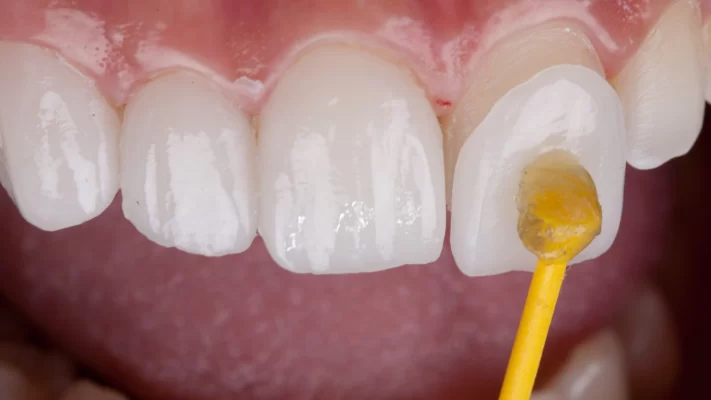
Trial veneers allow you to see the shade in real life before final bonding.

Conclusion
Choosing the right veneer shade is essential for achieving a bright, natural, and harmonious smile. The ideal shade depends on your skin tone, facial structure, natural tooth color, lifestyle habits, and long-term aesthetic goals. With advanced digital tools and expert cosmetic dentists, Worldwide Dental Hospital ensures every patient receives veneers that look beautiful, natural, and uniquely tailored.
📞 Contact Worldwide Dental Hospital: (+84) 922.253.888
Start your veneer consultation and design your perfect smile today.