
Professional whitening can brighten your smile instantly, but maintaining that brightness requires proper habits and care. This guide explains how to keep your teeth white after whitening—covering diet, lifestyle, oral hygiene, and expert tips from Worldwide Dental Hospital in Vietnam.
Introduction: Whitening Is the First Step—Maintenance Keeps It Lasting
Professional teeth whitening, especially with systems like Zoom Laser Whitening, can brighten your smile by several shades within a single session. But whitening is only the beginning. Everyday lifestyle factors—coffee, tea, wine, smoking, colored foods—can gradually dull the results.
The key to maintaining a bright, glowing smile is adopting the right habits immediately after treatment and keeping them consistent long-term. At Worldwide Dental Hospital, patients receive tailored whitening maintenance instructions to help ensure long-lasting results.
This guide explains everything you need to know to keep your teeth bright, healthy, and beautiful for months or even years after whitening.
Why Whitening Results Fade Over Time
Understanding How Stains Form
Even after whitening successfully removes pigments from the enamel surface, the enamel is still porous and prone to absorbing new stains. Pigments from food, drinks, and tobacco gradually attach to the surface of the teeth.
Whitening cannot prevent future staining; it only removes previous buildup. That is why maintenance is essential.
Internal vs. External Staining
- External stains come from foods and beverages. These can be controlled through diet and brushing habits.
- Internal stains come from aging, genetics, or medications. Whitening helps only the external layer, which means ongoing care is needed to slow down discoloration.
Professional whitening brightens the outer enamel, but long-term whiteness depends on how well you protect that enamel afterward.
Foods and Drinks to Avoid (At Least for 48 Hours)
The “White Diet” After Whitening
Right after whitening, your enamel is slightly dehydrated and more porous. This makes it easier for pigments to penetrate. For the first 48 hours, dentists recommend a “white diet”—foods that won’t stain.
Foods to Avoid Immediately After Whitening
- Coffee
- Tea
- Red wine
- Chocolate
- Soy sauce
- Turmeric or curry
- Berries
- Tomato-based sauces
- Dark sodas
- Beetroot
- Red dragon fruit
These foods contain strong pigments that can quickly stick to your enamel.
What You Can Eat Instead
- Chicken, fish, eggs
- White bread or rice
- Cauliflower
- Potatoes (no turmeric seasoning)
- Yogurt
- Bananas
- Milk
- Plain pasta
These foods help maintain the brightness during the crucial early period when enamel is most vulnerable.
Limiting Stain-Causing Habits in the Long Term
Managing Coffee and Tea Intake
Coffee and tea are two of the biggest culprits in discoloration. Even a small amount consumed daily can gradually darken your teeth.
If you can’t avoid them, try the following:
- Drink through a straw to reduce contact with enamel
- Add milk to lighten pigment concentration
- Rinse with water right after drinking
These habits minimize staining without requiring you to give up your favorite beverages.
Smoking and Vaping
Nicotine and tar from cigarettes cause rapid yellowing of teeth—even after whitening. The heat and chemicals penetrate enamel quickly, making the whitening fade much faster.
Quitting smoking not only extends whitening results but also improves gum health and reduces the risk of oral disease.
Colored Foods in Vietnamese Cuisine
Vietnamese dishes often use turmeric, fish sauce, chili oil, and herbal spices—all of which can stain teeth.
You don’t need to avoid them completely, but moderation and immediate rinsing can help preserve your whitening results.
Oral Hygiene Habits That Keep Teeth White
Brushing Twice Daily with Whitening Toothpaste
Whitening toothpaste helps prevent new stains from forming. It does not whiten your natural enamel but removes surface pigments before they settle.
Choose toothpastes with:
- Mild whitening agents
- Fluoride for enamel strength
- Low abrasiveness to avoid enamel wear
Worldwide Dental Hospital often recommends enamel-safe whitening toothpastes for daily use.
Flossing Daily to Prevent Discoloration Between Teeth
Stains often accumulate between teeth, where toothbrush bristles cannot reach. Flossing removes plaque and pigment buildup, preventing dark triangles and uneven color.
Using an Electric Toothbrush
Electric toothbrushes clean more thoroughly and consistently, reducing plaque buildup that can cause discoloration.
Mouthwash for Whitening Maintenance
Certain mouthwashes contain gentle whitening agents that help extend results. However, alcohol-free formulas are preferred to avoid gum irritation.
Professional Maintenance: Why Touch-Ups Matter
In-Office Whitening Touch-Ups
Many patients benefit from a whitening touch-up once or twice a year. This maintains brightness and counteracts daily wear from food and drinks.
Touch-ups are shorter, gentler sessions compared to the full whitening treatment.
At-Home Whitening Trays
Worldwide Dental Hospital also provides custom whitening trays for at-home use. These allow you to refresh your smile safely between professional visits.
They are especially helpful for patients who drink a lot of coffee or wine.
Regular Cleaning and Polishing
Professional cleanings every 6 months help remove surface stains and plaque, keeping your teeth bright and smooth. Polishing also reduces pigment adhesion in the future.
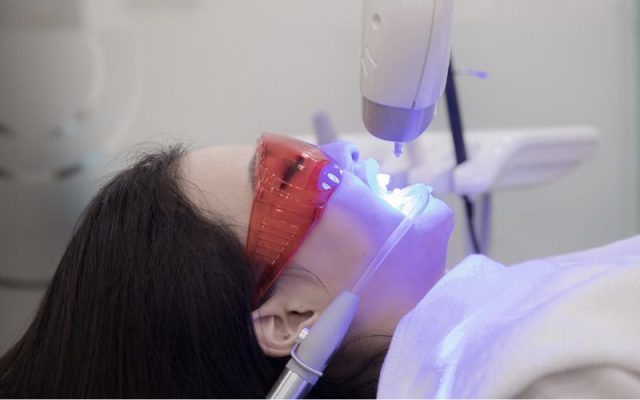
Lifestyle Choices That Improve Whitening Longevity
Stay Hydrated Throughout the Day
Water rinses away food particles and pigments before they settle on the enamel. It also keeps saliva flow healthy, which naturally helps clean your teeth.
Chewing Sugar-Free Gum
Chewing gum increases saliva production and helps wash away stain-causing particles. Choose sugar-free options to avoid bacterial growth.
Using a Straw
Whenever drinking anything that can stain, using a straw minimizes contact with your front teeth—the most visible part of your smile.
Avoiding Abrasive Whitening Methods
DIY whitening hacks (lemon, baking soda, charcoal powder) can erode enamel over time. Enamel erosion actually makes teeth more yellow because dentin becomes more visible.
Stick to dentist-approved products only.
How Diet Affects Whitening Results in Vietnam’s Climate
Vietnam’s tropical climate causes more sweating and dehydration, which may reduce saliva levels temporarily. With lower saliva flow, pigments can stick to teeth more easily.
To counteract this:
- Drink more water during hot days
- Avoid sugary iced drinks
- Rinse your mouth after eating street food or richly seasoned dishes
These small habits improve whitening longevity significantly.
Why Choose Worldwide Dental Hospital for Whitening and Aftercare
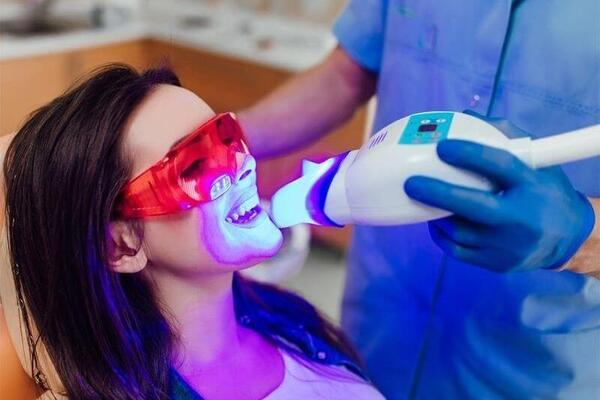
Worldwide Dental Hospital is one of Vietnam’s leading clinics for professional whitening and long-term cosmetic care. The hospital uses Zoom II Laser Whitening, a safe and highly effective system performed under dentist supervision.
What Makes the Hospital Stand Out
- Experienced whitening specialists
- English-speaking dental team
- Advanced whitening systems with reduced sensitivity
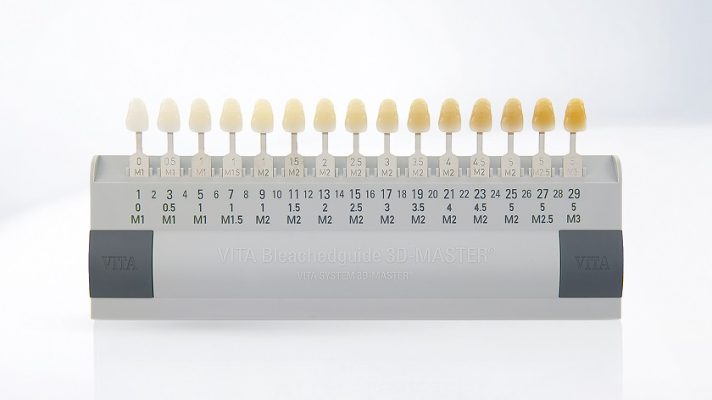
- Professional shade analysis before and after
- Personalized aftercare plans
- Regular whitening maintenance options
- Support for international patients
Patients receive guidance tailored to their lifestyle, diet, and dental condition.
Conclusion
Professional whitening creates a beautiful, bright smile, but maintaining those results requires consistent habits and care. By choosing the right foods, avoiding staining beverages, practicing strong oral hygiene, and scheduling regular checkups, you can keep your teeth glowing for years.
With advanced whitening technology and expert aftercare, Worldwide Dental Hospital ensures your smile remains healthy, bright, and confident long after treatment.
📞 Contact Worldwide Dental Hospital: (+84) 922.253.888
Keep your smile radiant with personalized whitening maintenance support.