
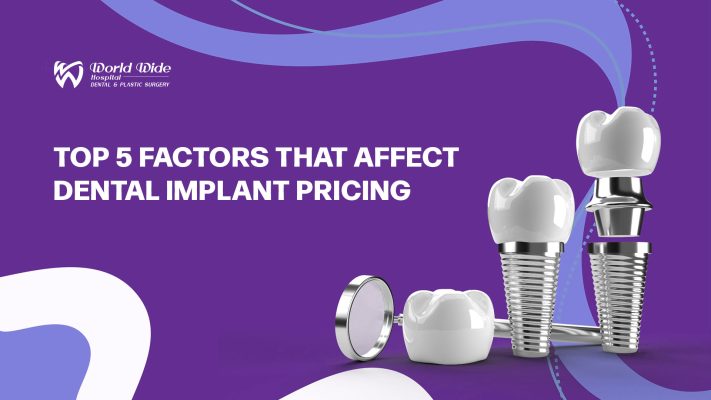
Dental implant costs vary widely depending on factors such as implant brand, surgeon expertise, diagnostic technology, bone condition, and the type of restoration used. Understanding these components helps patients avoid unexpected fees and choose the safest, most predictable treatment plan. This guide explains the top five factors that influence implant pricing and highlights how Worldwide Dental Hospital ensures transparency and long-term value for every patient.
INTRODUCTION
Dental implants are one of the most effective and long-lasting solutions for missing teeth. They restore chewing ability, prevent bone loss, and provide natural aesthetics that mimic real teeth. However, implant prices differ significantly from one clinic to another—especially across different countries.
Patients often ask:
“Why do dental implant prices vary so much?”
The answer lies in five key factors that directly influence cost, safety, long-term success, and aesthetic results. Worldwide Dental Hospital emphasizes that while price is important, understanding what you are paying for is essential to avoid complications or hidden costs.
This article breaks down the top five elements that affect implant pricing and how each one impacts your treatment experience and outcome.
1. IMPLANT BRAND AND MATERIAL QUALITY
Why Implant Brand Matters
Not all implants are created equal. Known global brands undergo decades of research, offering proven long-term success and durability. Generic or unverified brands may fail sooner or integrate poorly with bone.
Common Implant Categories
Premium Brands (Higher Cost, Highest Success)
- Straumann (Switzerland)
- Nobel Biocare (USA/Switzerland)
- BioHorizons (USA)
Benefits:
- Superior engineering
- Long-term clinical research
- Faster osseointegration
- Lower failure rates
Mid-Range Brands (Balanced Cost and Performance)
- Dentium (Korea)
- Osstem (Korea)
Benefits:
- High stability
- Good clinical outcomes at affordable prices
Economy Brands (Lower Cost, More Risk)
- Generic titanium implants
- Limited long-term research
Risks:
- Fit inaccuracies
- Higher complication rates
How Brand Affects Price
Premium brands cost more due to research and superior materials—but offer greater long-term reliability.
2. SURGEON EXPERTISE AND TRAINING
Experience Directly Impacts Pricing
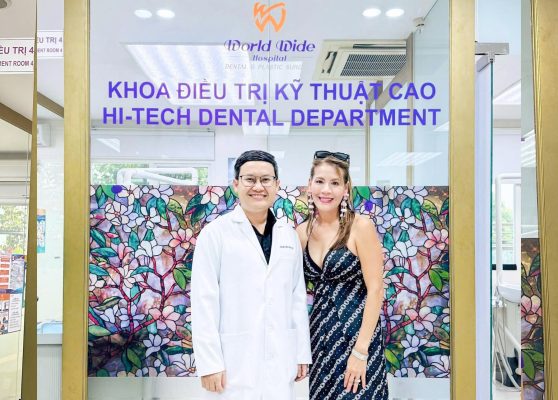
Highly trained implantologists typically charge more due to advanced skills and successful case histories.
What Experienced Surgeons Provide
- Accurate placement
- Low complication rates
- Proper assessment of bone quality
- Ability to handle complex cases
Training Background Matters
Worldwide Dental Hospital implantologists receive training from:
- Australia
- South Korea
- Japan
- Europe
- International implant institutions
Why Expertise Affects Cost
A skilled surgeon reduces:
- Risk of implant failure
- Need for repeat surgery
- Infectious or mechanical complications
- Bite imbalance or aesthetic issues
Complications are far more expensive than proper treatment from the start.
3. DIAGNOSTIC TECHNOLOGY AND TREATMENT PLANNING
Why Diagnostics Influence Price
Implant success depends on precise planning. Advanced technology improves predictability and safety.
Key Technologies That Add Value
CBCT 3D Scan
Provides detailed images of:
- Bone density
- Nerve location
- Sinus structure
- Implant positioning
Essential for accuracy and safe surgery.
Digital Impressions (iTero, 3Shape)
Increases comfort and improves accuracy of crowns and abutments.
Computer-Guided Implant Surgery
Uses digital guides to place implants with millimeter precision.
How This Affects Cost
Clinics with advanced digital workflows invest heavily in equipment but provide safer, faster, and more predictable treatment.
4. COMPLEXITY OF THE CASE (BONE QUALITY & ADDITIONAL PROCEDURES)
Bone Quality Determines Treatment Steps
Implants require a strong and healthy bone foundation. If bone volume is insufficient, additional procedures may be needed.
Procedures That Increase Cost
Bone Grafting
Used when bone height or width is insufficient.
Cost varies depending on graft type (synthetic, autograft, xenograft).
Sinus Lift
Required when upper jaw bone is too thin.
More complex—requires experienced surgeons.
Soft Tissue Grafting
Enhances gum volume and aesthetics for implant stability.
Tooth Extraction
Simple or surgical extractions may be required beforehand.
How Bone Condition Affects Price
More procedures = more materials, time, and complexity.
Simple single implants cost less; full-mouth rehabilitation or compromised bone increases price.
5. TYPE OF RESTORATION (CROWN, ABUTMENT, FULL-ARCH OPTIONS)
Crown Material
Different crown materials influence final price.
Types of Crowns
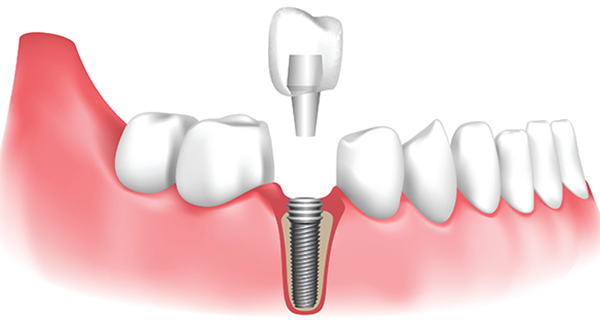
- PFM (Porcelain-fused-to-metal): Affordable, strong
- Zirconia Crown: Natural-looking, durable, premium
- Layered Zirconia: Best aesthetic option for front teeth
Abutment Options
- Stock Abutment: Standard size
- Custom-Milled Abutment: Perfect anatomical fit, better gum contour
Custom abutments are more expensive but offer superior results.
Full-Arch Implant Options
For multiple missing teeth:
All-on-4 / All-on-6
- Requires more implants
- Includes temporary & permanent bridges
- Advanced digital planning
- Higher material cost
Why Restoration Affects Price
The crown and abutment make up 30–40% of implant cost.
Higher-quality materials = better aesthetics and longer lifespan.
OTHER FACTORS THAT INFLUENCE IMPLANT PRICING
Clinic Facility Standards
Hospital-grade clinics invest in sterilization rooms, surgical suites, and advanced tools—resulting in safer treatment.
Warranty & Aftercare
Premium brands offer longer warranties (5–10+ years), influencing price.
Geographical Region
Urban areas like Ho Chi Minh City may have higher pricing compared to smaller cities due to technology and expertise levels.
COST RANGE FOR DENTAL IMPLANTS (GENERAL GUIDE)
| Implant Type | Price Range (USD) | Notes |
| Standard Implant | $750 – $1,100 | Suitable for simple cases |
| Premium Implant | $1,300 – $2,200 | Straumann, Nobel Biocare |
| Implant Crown | $180 – $300 | Zirconia or PFM |
| Bone Graft | $150 – $400 | Depends on defect size |
| Sinus Lift | $350 – $900 | Simple vs. lateral window |
| All-on-4 | $7,000 – $12,000 / arch | Full-arch replacement |
| All-on-6 | $9,000 – $15,000 / arch | Enhanced stability |
Actual pricing depends heavily on the five core factors discussed above.
What You Need to Know
Why do implants cost more at some clinics?
Because implant brand, surgeon skill, technology, and bone grafting all add to overall value and safety.
Are cheaper implants risky?
Yes—low-quality implants may fail early or cause bone loss.
Do I always need a bone graft?
Not always; only if bone volume is insufficient for safe placement.
Is a CBCT scan really necessary?
Yes. It ensures accurate planning and prevents nerve or sinus complications.
Are premium brands worth it?
Yes—premium implants have superior long-term success rates.
CONCLUSION
Dental implant pricing varies for many reasons—but most of them relate directly to safety, quality, materials, and long-term outcomes. While cost is important, choosing a reputable dental hospital ensures proper diagnostics, global-standard materials, and experienced surgical care.
Worldwide Dental Hospital delivers internationally recognized implant treatment with hospital-grade sterilization, advanced digital planning, and trained specialists. Understanding these five key factors helps patients choose wisely, ensuring their implants remain strong, functional, and aesthetically pleasing for many years.
📞 Contact Worldwide Dental Hospital: (+84) 922.253.888
Schedule your implant consultation today for a personalized treatment plan and transparent pricing.