
Feeling tooth sensitivity after dental cleaning? Learn what causes this common reaction, how long it lasts, and how Worldwide Dental Hospital in Vietnam ensures a gentle, pain-free cleaning experience for every patient.
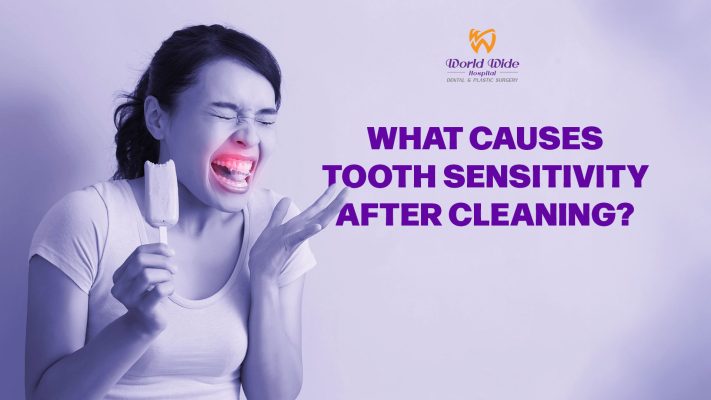
WHY TEETH SOMETIMES FEEL SENSITIVE AFTER CLEANING
Professional teeth cleaning is one of the most important preventive dental procedures — it removes plaque, tartar, and stains to keep your smile healthy.
However, some people notice tooth sensitivity shortly after cleaning — a sharp or tingling sensation when eating or drinking something hot, cold, sweet, or acidic.
The good news? This sensitivity is temporary, normal, and a sign that your teeth are now cleaner and healthier.
At Worldwide Dental Hospital, our specialists use gentle ultrasonic technology to minimize discomfort and protect your enamel during every cleaning.
HOW PROFESSIONAL TEETH CLEANING WORKS
Before understanding why sensitivity occurs, it helps to know what happens during a dental cleaning.
Step 1: Examination
Your dentist examines your mouth to check for plaque buildup, gum inflammation, or early signs of decay.
Step 2: Scaling
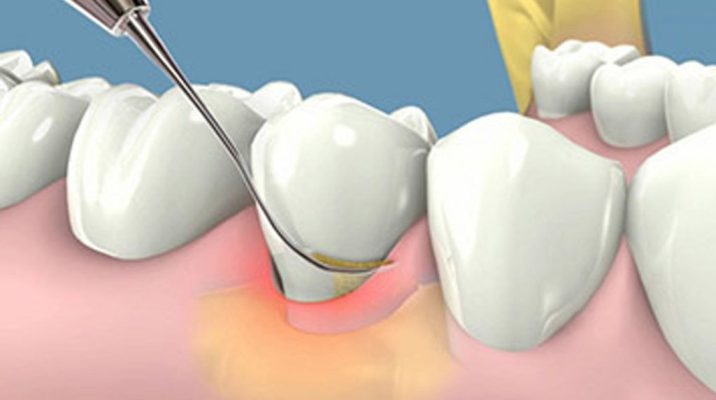
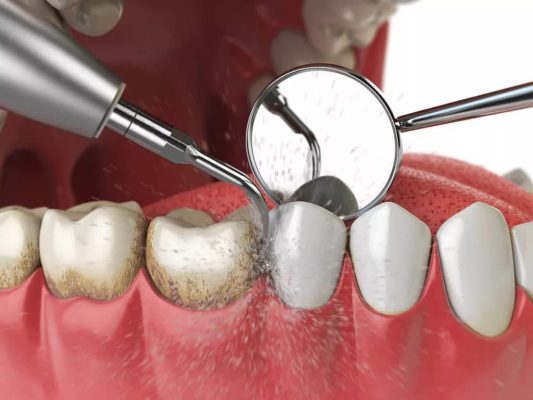
Using ultrasonic scalers, the dentist gently removes tartar and plaque from above and below the gumline.
Step 3: Polishing
A polishing paste smooths your enamel, making it harder for new plaque to form.
Step 4: Fluoride Application (Optional)
A fluoride gel is applied to strengthen enamel and prevent sensitivity.
At Worldwide Dental Hospital, the cleaning process is ultrasonic and pain-free, designed for even the most sensitive patients.
COMMON CAUSES OF TOOTH SENSITIVITY AFTER CLEANING
Tooth sensitivity after a professional cleaning can happen for several reasons — all of which are temporary and manageable.
1. Exposed Dentin
Under your tooth enamel is a softer layer called dentin, which contains tiny tubules connected to the nerve.
When tartar is removed, areas of dentin that were previously covered may become exposed, causing temporary sensitivity.
2. Gum Recession
If you have mild gum disease or brush too hard, your gums may recede slightly, exposing the tooth roots.
After cleaning, these areas can feel tender for a few days.
3. Plaque and Tartar Removal
When plaque and tartar are removed from under the gumline, the newly exposed surfaces may be more responsive to temperature changes — but this sensitivity usually fades within a few days.
4. Inflammation of the Gums
During cleaning, bacteria and debris near the gumline are disturbed. This can temporarily inflame the tissue, leading to mild tenderness or bleeding.
5. Whitening or Abrasive Toothpaste
If you’re using a whitening or high-abrasive toothpaste, it may irritate freshly cleaned enamel. Switching to a gentle fluoride toothpaste helps.
6. Deep Cleaning (Root Planing)
Patients undergoing scaling and root planing (for gum disease) may experience deeper sensitivity because the roots are treated below the gumline.
HOW LONG DOES SENSITIVITY LAST?
For most patients, tooth sensitivity after cleaning lasts 24–48 hours, sometimes up to a week in more sensitive cases.
At Worldwide Dental Hospital, advanced ultrasonic cleaning systems minimize irritation, and fluoride protection is applied immediately afterward to reduce post-treatment sensitivity.
If discomfort persists beyond a week or increases in intensity, it’s best to contact your dentist, as it may indicate an underlying issue like gum recession or enamel erosion.
HOW TO RELIEVE TOOTH SENSITIVITY AFTER CLEANING
Here are simple ways to ease the discomfort and speed up recovery:
1. Use Desensitizing Toothpaste
Switch to a toothpaste formulated for sensitive teeth (e.g., containing potassium nitrate or stannous fluoride).
Brush gently twice daily to strengthen enamel and block nerve signals.
2. Avoid Hot, Cold, or Acidic Foods
Skip extremely hot coffee, iced drinks, or citrus fruits for 1–2 days after cleaning.
3. Use a Soft-Bristled Toothbrush
A soft or ultra-soft brush prevents further enamel abrasion and gum irritation.
4. Rinse with Fluoride Mouthwash
Fluoride mouthwash helps remineralize enamel and reduce nerve exposure.
5. Don’t Overbrush
Brushing too hard can wear away enamel and worsen sensitivity — gentle circular motions are best.
6. Stay Consistent with Oral Care
Maintain regular brushing, flossing, and rinsing to prevent plaque buildup and reduce long-term sensitivity.
WHEN TO SEE YOUR DENTIST
While mild sensitivity is normal, you should see your dentist if you experience:
- Sensitivity lasting more than a week
- Sharp or localized pain when biting
- Swelling, bleeding, or gum tenderness
- Cracked or chipped teeth
Worldwide Dental Hospital provides comprehensive follow-up care, ensuring that post-cleaning sensitivity is monitored and properly treated.
HOW WORLDWIDE DENTAL HOSPITAL MINIMIZES SENSITIVITY
1. Ultrasonic Piezotome Cleaning Technology
This advanced system uses micro-vibrations and water spray to remove tartar gently — reducing pressure and discomfort.
2. Enamel-Safe Polishing
Dentists use fine-grain polishing pastes that smooth teeth without abrasion.
3. Fluoride and Desensitizing Treatment
After cleaning, a fluoride varnish or desensitizing gel is applied to seal enamel pores and prevent sensitivity.
4. Experienced Dentists and Hygienists
Internationally trained specialists ensure every step is gentle, precise, and comfortable.
5. Personalized Oral Care Plan
Patients receive a customized aftercare guide, including recommended toothpaste, mouthwash, and dietary advice.

COST OF TEETH CLEANING IN VIETNAM
Vietnam offers international-quality dental care at highly affordable rates compared to Western countries.
| Type of Cleaning | Average Cost (USD) | Description |
| Standard Cleaning (Scaling & Polishing) | 25 – 50 | Routine plaque and tartar removal. |
| Deep Cleaning (Root Planing) | 60 – 100 | For mild to moderate gum disease. |
| Laser-Assisted Cleaning | 100 – 150 | Minimally invasive and highly precise. |
At Worldwide Dental Hospital, professional ultrasonic cleaning costs around 35–50 USD, including consultation and fluoride protection.
In comparison, the same procedure in Australia or the U.S. costs 150–250 USD.
HOW TO PREVENT SENSITIVITY IN THE FUTURE
Keeping your teeth and gums healthy between cleanings can significantly reduce the risk of post-treatment sensitivity.
Do’s
- Brush twice daily with fluoride toothpaste.
- Floss once a day to remove plaque between teeth.
- Schedule dental cleanings every 6 months.
- Eat calcium-rich foods like dairy and leafy greens.
Don’ts
- Avoid acidic foods (lemon, soda, vinegar).
- Don’t overuse whitening products.
- Never skip professional checkups — early detection prevents gum issues that cause sensitivity.
FAQ – TOOTH SENSITIVITY AFTER CLEANING
Is it normal to have sensitivity after a dental cleaning?
Yes. It’s a temporary reaction as your teeth adjust to being newly cleaned.
Can cleaning damage enamel?
No. Professional cleaning removes tartar without affecting healthy enamel.
What if my sensitivity doesn’t go away?
Contact your dentist. It may indicate enamel wear or exposed roots that require additional treatment.
Can fluoride help reduce sensitivity?
Yes. Fluoride strengthens enamel and seals exposed dentin tubules.
How soon can I eat after cleaning?
You can eat immediately, but avoid very hot or cold food for the first few hours.
WHY CHOOSE WORLDWIDE DENTAL HOSPITAL
- 30+ years of excellence in preventive and restorative dentistry.
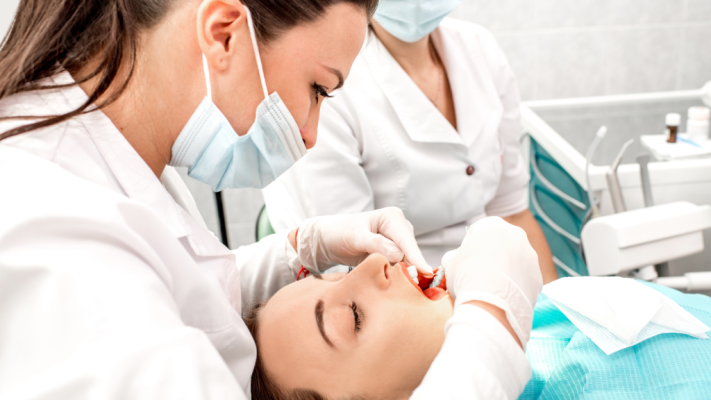
- Ultrasonic Piezotome cleaning system for a gentle experience.
- English-speaking, internationally trained dentists.
- European sterilization standards for maximum safety.
- Transparent pricing and exceptional patient care.
CONCLUSION
Tooth sensitivity after cleaning is common, temporary, and completely normal — not a sign of damage.
It’s simply your teeth adjusting to a cleaner, healthier surface after plaque and tartar are removed.
At Worldwide Dental Hospital, patients enjoy a gentle, pain-free cleaning experience using modern ultrasonic systems and expert aftercare.
If you experience post-cleaning sensitivity, simple home care and professional guidance will help you feel normal again within days — leaving your teeth brighter, smoother, and healthier than ever.
📞 Contact Worldwide Dental Hospital: (+84) 922.253.888