
Dental crowns and veneers are two common treatments used to restore the appearance and function of teeth. Both options can improve your smile, but they are designed for different purposes. Understanding the differences helps you choose the treatment that matches your dental needs. Your dentist will also guide you based on the condition of your teeth, your goals, and your long-term oral health.
This guide explains what crowns and veneers are, how they are used and how they differ in coverage, strength, preparation and maintenance.
What is a Dental Crown?
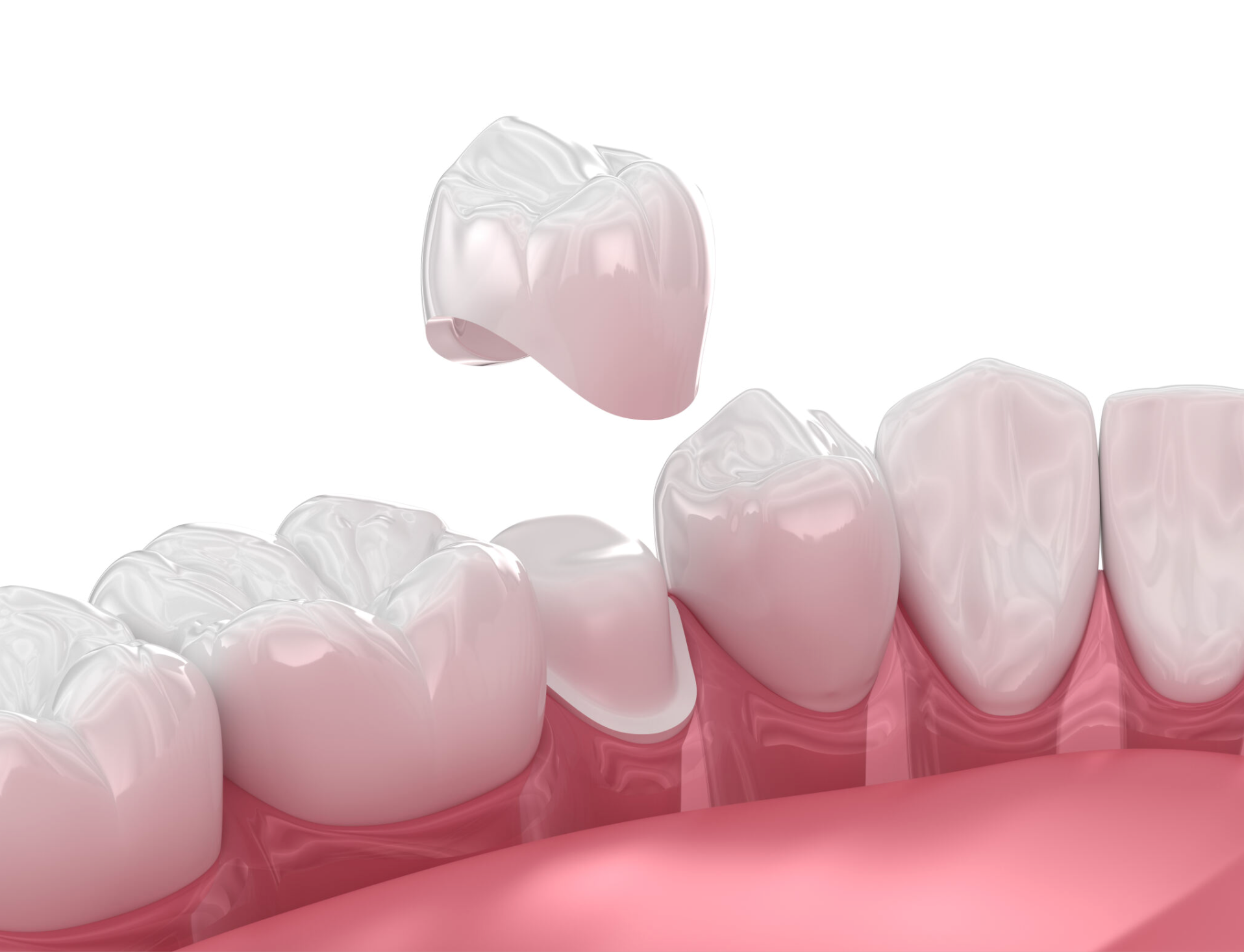
A dental crown is a tooth-shaped restoration that covers the entire visible surface of a tooth. It acts like a protective cap placed over the tooth to restore shape, strength and function. Crowns can be made from porcelain, zirconia, or other durable materials. They are commonly used when a tooth has lost structure or is weakened.
Crowns support chewing forces and protect the remaining tooth structure from further wear. They are often recommended when a tooth can no longer be restored with a filling.
When a Crown is Recommended
Dentists may suggest a crown in the following situations:
- A tooth has a large cavity
- A tooth is cracked
- A tooth is worn down
- A root canal treatment has been completed
- A tooth requires protection or reinforcement
- A dental implant needs a final restoration
Crowns are designed to provide full coverage. This makes them suitable for both functional and aesthetic purposes. They can improve appearance while also strengthening the tooth.
What is a Veneer?
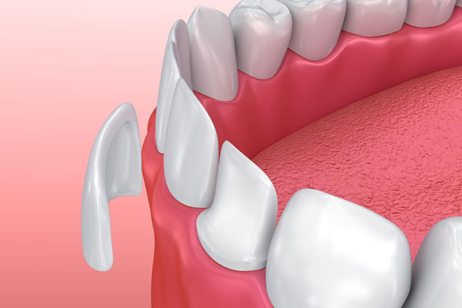
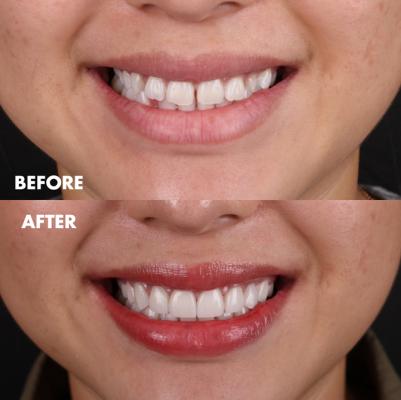
A veneer is a thin layer of porcelain or composite material placed on the front surface of a tooth. Veneers are mainly used for cosmetic improvements. They change the shape, colour, and alignment of the visible part of the tooth. Veneers require less removal of natural tooth structure compared to crowns.
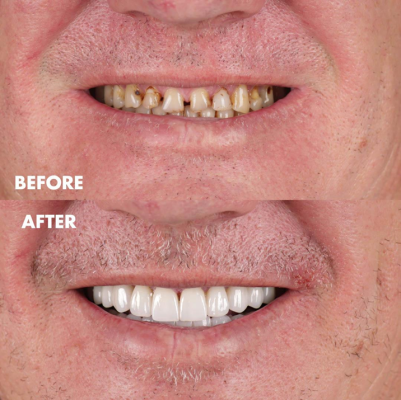
Veneers help create an even, natural looking smile and are often part of aesthetic treatment plans.
When a Veneer is Recommended
Dentists may recommend veneers for:
- Teeth with mild discoloration
- Teeth with small chips
- Teeth that are slightly misaligned
- Teeth with minor gaps
- Teeth with uneven shapes
Because veneers only cover the front surface of the tooth, they do not provide the same structural reinforcement as crowns. They are ideal for patients who want to improve appearance while maintaining most of their natural tooth.
Key Differences Between Crowns and Veneers
Although both restorations can improve your smile, they serve different purposes. Several important differences influence which treatment your dentist may recommend.
Coverage
A crown covers the entire tooth. This includes the front, back, and all sides. This full coverage helps protect the tooth and restore its function.
A veneer only covers the front surface of the tooth. It improves aesthetics but does not reinforce the entire structure.
Strength and Durability
Crowns are strong and designed to handle regular chewing forces. They are often used on molars because these teeth take on more pressure during eating.
Veneers are durable but are most suitable for front teeth. These teeth experience lighter chewing forces. Veneers are mainly used for cosmetic changes rather than structural support.
Tooth Preparation
Crowns require more preparation. The dentist shapes the tooth to ensure the crown fits securely. This helps the crown stay in place and function like a natural tooth.
Veneers require less removal of natural tooth structure. Only a small amount from the front surface is reshaped to allow the veneer to fit smoothly.
Purpose
Crowns address both function and appearance. They restore teeth that are damaged, weak, or heavily restored.
Veneers focus on appearance. They improve colour, shape, and alignment of the front teeth.
Materials
Both crowns and veneers can be made from porcelain or zirconia. Crowns may also be made from other materials depending on the case. Porcelain veneers are chosen for their natural appearance and ability to mimic the translucency of enamel.
Lifespan
With good oral care, both restorations can last for many years. The lifespan depends on material, oral hygiene, and regular dental checkups. Crowns may last longer in certain cases because they offer full coverage and greater strength.
Cost Differences
Costs vary depending on the materials used and the number of teeth being restored. Crowns may cost more because they require more material and more complex preparation. Veneers may be a suitable option for patients who want aesthetic improvements on multiple teeth.
Your dentist will explain the pricing for each option during your consultation.
How to Choose Between a crown and a Veneer
Choosing between a crown and a veneer depends on the condition of your tooth and your treatment goals. Below are some general guidelines that can help you understand what to expect. Your dentist will provide a personalised plan after examining your teeth.
Choose a Crown If:
- The tooth is cracked
- A large portion of the tooth is missing
- A root canal was recently performed
- The tooth needs full coverage for strength
- The tooth is worn down and cannot hold a veneer
- You need a restoration for a dental implant
A crown restores both function and appearance. It allows you to chew comfortably and protects the remaining tooth structure.
Choose a Veneer If:
- You want to improve the colour or shape of your teeth
- Your teeth are already strong and healthy
- You have mild spacing or alignment concerns
- You want a cosmetic solution with minimal tooth reduction
Veneers are widely used in aesthetic dentistry because they provide natural looking results with conservative preparation.
The Treatment Process
Both crowns and veneers involve similar steps. The dentist evaluates your oral health, takes images or impressions, and prepares the tooth. A temporary restoration may be placed while the final one is made.
At Dental Center Vietnam, restorations are supported by an in-house lab with modern technology. This helps ensure accurate fit and natural appearance. After the lab completes the restoration, your dentist will check the fit and make adjustments. Once you are satisfied with the result, the restoration is bonded securely.
Care After Treatment
Caring for crowns and veneers involves daily brushing, flossing, and regular dental checkups. Avoiding very hard foods helps protect your restorations. Your dentist may provide additional instructions based on your case.
Regular follow up appointments help ensure the restoration stays in good condition and continues to support your oral health.
A Better Understanding Helps You Choose Confidently
Crowns and veneers both play important roles in modern dentistry. Knowing the differences helps you make informed decisions about your treatment. Whether you want to protect a weakened tooth or improve the appearance of your smile, your dentist will guide you toward the option that suits your needs.
To learn more about crowns, veneers, or other cosmetic treatments, contact Dental Center Vietnam. Our team can explain your options and help you plan a treatment approach that matches your goals.