
A dental implant is designed to function like a natural tooth. Once healing is complete, it should feel stable during daily activities such as chewing and speaking. If an implant begins to feel loose, it is important to understand what this may indicate and what steps you should take. A loose feeling can come from different parts of the implant system, and each situation requires prompt attention from your dentist.
This guide explains the possible causes of a loose implant, the signs you may notice and the actions you should take to protect your oral health.
Understanding Implant Stability
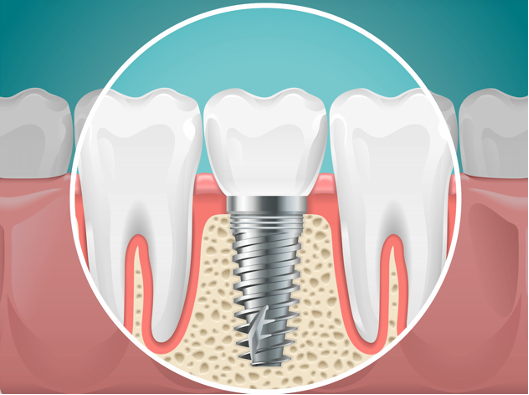
A dental implant has three main components. These include the implant post placed in the jawbone, the abutment that connects the post to the restoration, and the crown or bridge that sits above the gum line. For the implant to remain stable, the implant post must fuse with the bone through a process known as osseointegration. This forms a strong foundation.
If any component becomes loose, you may notice slight movement, pressure, or discomfort when chewing. Recognising the signs early and contacting your dentist helps prevent further problems.
Possible Causes of a Loose Feeling
A loose implant does not always mean that the implant post itself has failed. Sometimes the crown or abutment may be the source of the issue. Understanding the possible causes helps you know what to expect during your dental visit.
Loose Abutment Screw
One of the most common causes of a loose feeling is a loose abutment screw. This screw connects the implant post to the crown. If the screw becomes loose, the crown may move slightly when you chew or touch the area with your tongue. This does not always mean the implant post has been affected.
Dentists can usually address this by tightening or replacing the screw. Early attention helps protect the stability of the overall restoration.
Loose Crown
Sometimes the crown itself may become loose. This can occur due to wear on the cement or adhesive that holds the crown in place. Patients may feel a slight rocking motion or notice movement when biting.
A loose crown can often be recemented or replaced without affecting the implant post. It is important to avoid chewing on the area until your dentist has examined it.
Gum or Bone Changes Around the Implant
Healthy gum and bone tissue support the implant and help maintain stability. Changes to this tissue may create a loose sensation. Possible reasons include inflammation, improper cleaning, natural bone changes, or other illness that affect your bone density.
Your dentist will evaluate the surrounding tissue to determine the appropriate treatment. Early evaluation helps maintain long term success.
Insufficient Osseointegration
In some cases, the bone may not integrate completely with the implant post. This can lead to movement of the implant. Patients may notice discomfort or mobility when touching the implant or chewing.
This situation requires prompt professional care. Your dentist will assess the implant site and recommend the most suitable treatment plan.
Signs Your Implant May Need Attention
Recognising early signs helps protect your implant. The following symptoms may indicate that your implant or its components require evaluation:
- A slight rocking or shifting feeling when you touch the tooth
- Movement when chewing or biting
- Discomfort around the implant site
- Swelling or redness in the surrounding gums
- Changes in your bite
- A clicking sound when touching the implant with your tongue
If you experience any of these signs, contacting your dentist as soon as possible is the best next step.
What You Should Do If Your Implant Feels Loose
Taking the right actions can help protect the implant and prevent further movement. Below are the recommended steps.
Contact Your Dentist Immediately
A loose feeling should always be examined by a dental professional. Your dentist will determine which part of the implant is affected. Even mild movement requires attention to avoid complications.
Avoid Chewing on the Affected Side
Chewing places pressure on the implant. If the implant or its components feel loose, avoid using that side of your mouth until the issue has been evaluated. This helps prevent additional movement and reduces discomfort.
Keep the Area Clean
Good oral hygiene supports healing and protects the surrounding tissue. Brush gently around the implant with a soft toothbrush. Avoid vigorous rinsing unless recommended by your dentist. Cleanliness helps reduce inflammation and supports accurate assessment during your appointment.
Do Not Attempt to Tighten Anything Yourself
Implant components require specialised tools and controlled force. Attempting to adjust the crown or abutment at home may cause damage. Only a qualified dentist should tighten or repair implant parts.
Follow Your Dentist’s Aftercare Instructions
Once your dentist identifies the cause, they will explain the treatment approach. This may involve tightening a screw, recementing a crown, or addressing tissue health. Following their instructions supports a stable result.
How Dentists Diagnose a Loose Implant
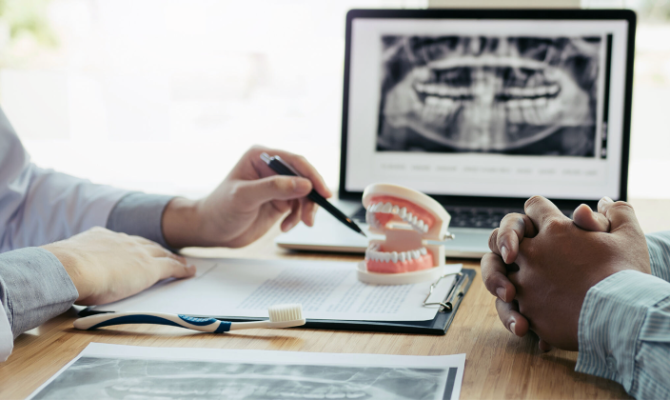
Your dentist will perform a detailed examination to understand why the implant feels loose. This may include:
- Checking mobility of the crown
- Evaluating the abutment
- Taking X rays to assess bone levels
- Examining gum health
- Testing the stability of the implant post
These steps help identify the exact cause so the correct treatment can be performed.
Treatment Options for a Loose Implant
Treatment depends on the cause and the condition of the implant.
Tightening or Replacing an Abutment Screw
If the abutment screw is loose, your dentist can tighten it using precision tools. In some cases, a new screw may be placed. This is a simple procedure that restores stability.
Recementing or Replacing a Crown
If the crown has become loose, your dentist may clean the area and recement it. If the crown shows signs of wear or damage, a new crown may be recommended.
Gum or Bone Treatment
If gum inflammation is present, your dentist may recommend cleaning or other periodontal care. Good tissue health helps maintain implant stability. Additional bone graft might also be necessary.
Implant Replacement in Rare Cases
If the implant post has not integrated properly with the bone, your dentist will discuss further treatment options. This is less common, and your dentist will guide you through the next steps if needed.
Maintaining Implant Health
Proper care helps keep your implant strong and stable. Daily brushing, flossing, and regular dental checkups support long term success. Your dentist will monitor bone and gum health during routine visits and can identify early changes before they become a concern.
Using a soft toothbrush and cleaning carefully around the implant helps maintain healthy tissues. Avoiding habits that place extra pressure on your teeth, such as biting hard objects, also protects your restoration.
Early Attention Supports Long Term Success
A loose feeling around your dental implant should be assessed as soon as possible. Many causes are minor and can be corrected quickly when addressed early. Your dentist will examine the implant, identify the issue, and recommend the right treatment.
If you notice movement, pressure, or discomfort around your implant, contact Dental Center Vietnam. Our team can assess your implant and provide guidance to help you maintain a stable and healthy smile.