

Chipping a veneer while traveling can be stressful, but most cases are manageable with the right steps. Understanding immediate care, temporary solutions, and when to seek professional help can prevent further damage. Proper handling protects both aesthetics and underlying tooth structure. Worldwide Dental Hospital shares expert guidance to help patients handle veneer damage safely while abroad.
INTRODUCTION
Veneers are designed to be durable and aesthetically pleasing, but they are not indestructible. Biting into hard foods, accidental trauma, teeth grinding, or unexpected stress during travel can sometimes lead to a chipped veneer. When this happens away from home—or in a different country—it can cause anxiety, discomfort, and concern about appearance.
Worldwide Dental Hospital reassures patients that a chipped veneer is rarely a dental emergency. With calm, informed action, most veneer chips can be stabilized temporarily and repaired safely once professional care is available. Knowing what to do immediately—and what to avoid—can make a significant difference in preserving the veneer and protecting the underlying tooth.
This guide explains exactly what steps to take if you chip a veneer while traveling, how to manage discomfort, and when to seek dental care.
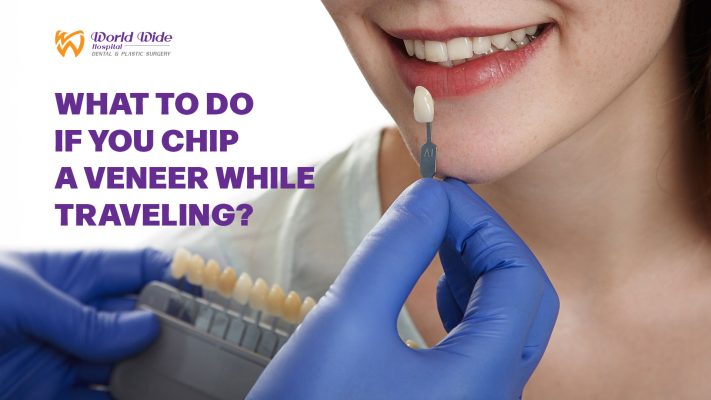
UNDERSTANDING VENEER CHIPS
What Is a Veneer Chip?
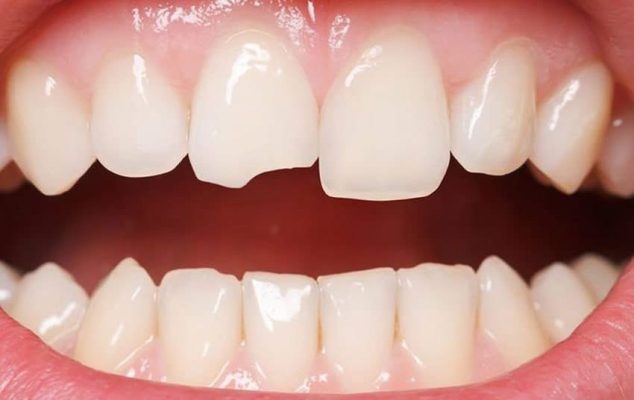
A veneer chip refers to a small fracture or break in the ceramic surface. It may involve:
- A minor edge chip
- A surface crack
- Partial veneer damage
In most cases, the underlying tooth remains intact.
Why Veneers Can Chip
Common causes include:
- Biting hard foods (ice, nuts, hard candy)
- Accidental impact (sports, falls)
- Teeth grinding or clenching
- Using teeth as tools
- Sudden temperature changes
FIRST STEPS TO TAKE IMMEDIATELY
Stay Calm and Assess the Damage
Check the Size of the Chip
Use a mirror to assess whether the chip is:
- Small and superficial
- Sharp but stable
- Large or loose
Avoid excessive touching with your fingers or tongue.
Rinse Your Mouth Gently
Rinse with lukewarm water to remove debris and keep the area clean.
Avoid:
- Hot water
- Strong rinsing
- Alcohol-based mouthwash
Avoid Chewing on the Affected Side
Limit pressure on the chipped veneer to prevent further damage or detachment.
HOW TO MANAGE DISCOMFORT AND SHARPNESS
If the Veneer Feels Sharp
Temporary Protection
If the chipped edge feels sharp against your tongue or cheek:
- Use orthodontic wax (available at pharmacies)
- Apply sugar-free chewing gum as a short-term solution
These options protect soft tissues until professional care is available.
Managing Sensitivity
If sensitivity occurs:
- Avoid hot, cold, or acidic foods
- Use toothpaste for sensitive teeth if available
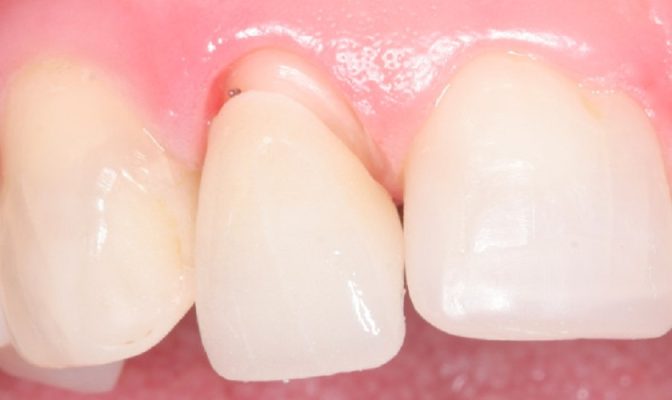
Sensitivity usually indicates exposure of the bonding margin, not a serious issue.
WHAT NOT TO DO IF A VENEER CHIPS
Do Not Attempt DIY Repairs
Avoid:
- Super glue
- Household adhesives
- Nail glue
These substances are toxic and can complicate professional repair.
Do Not Pick at the Veneer
Avoid testing the chip repeatedly with your tongue or fingers, as this can worsen the damage.
Do Not Ignore the Issue for Too Long
Even if discomfort is minimal, prolonged delay may increase the risk of further chipping or gum irritation.
WHEN TO SEEK DENTAL CARE WHILE TRAVELING
Minor Chips
Small chips without pain or looseness can often wait until you return to your treating dentist.
Moderate Chips
If the veneer edge is sharp, aesthetics are affected, or sensitivity persists, seek dental evaluation within a few days.
Severe Damage
Seek immediate dental care if:
- The veneer becomes loose
- Pain increases
- The underlying tooth is exposed
- Swelling or bleeding occurs
Worldwide Dental Hospital advises contacting your dental provider as soon as possible for guidance.
TEMPORARY CARE TIPS WHILE ABROAD
Diet Adjustments
Stick to:
- Soft foods
- Cooked vegetables
- Rice, pasta, soups
Avoid:
- Hard foods
- Sticky foods
- Crunchy snacks
Oral Hygiene
Continue brushing and flossing gently, avoiding aggressive pressure around the damaged veneer.
Night Protection
If you grind your teeth at night, wearing a night guard (if available) can prevent further damage.
CAN A CHIPPED VENEER BE REPAIRED OR REPLACED?
Polishing or Smoothing
Very small chips may only require smoothing to remove sharp edges.
Composite Repair
In some cases, dentists can repair minor chips using composite resin.
Veneer Replacement
Larger chips usually require replacing the veneer for optimal aesthetics and strength.
Worldwide Dental Hospital evaluates each case individually to recommend the most conservative and effective solution.
HOW WORLDWIDE DENTAL HOSPITAL SUPPORTS TRAVELING PATIENTS
Remote Consultation
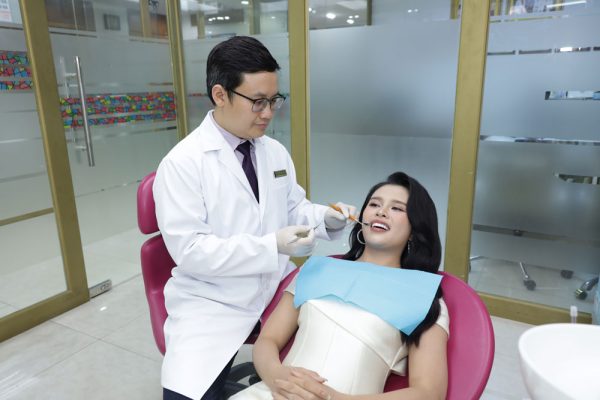
Patients can send photos or videos for preliminary assessment.
Clear Repair Planning
The clinic advises whether the veneer can wait or needs immediate care.
Certified Materials
Replacement veneers are fabricated using high-quality ceramic systems for consistency and longevity.
Aftercare Guidance
Patients receive instructions to protect restorations during travel.
PREVENTING VENEER DAMAGE WHILE TRAVELING
Be Mindful of Local Foods
Avoid unfamiliar hard or crunchy foods.
Avoid Using Teeth as Tools
Do not open bottles, packaging, or bags with your teeth.
Manage Stress and Grinding
Travel-related stress can increase clenching. Relaxation techniques help reduce risk.
TRAVEL ESSENTIALS FOR VENEER PATIENTS
Recommended Items
- Orthodontic wax
- Sensitive toothpaste
- Travel-size mouth rinse
- Night guard (if prescribed)
What You Need to Know
Is a chipped veneer a dental emergency?
Usually no, unless pain, looseness, or exposure of the tooth occurs.
Can I continue traveling with a chipped veneer?
Yes, if damage is minor and managed carefully.
Can a chipped veneer be repaired temporarily?
Yes, dentists can smooth edges or apply temporary composite if needed.
Should I replace a chipped veneer immediately?
Not always—this depends on chip size, comfort, and aesthetics.
Who should I contact if my veneer chips while abroad?
Contact Worldwide Dental Hospital for professional advice and next steps.
CONCLUSION
Chipping a veneer while traveling can be inconvenient, but it is rarely a crisis. With calm assessment, proper temporary care, and timely professional guidance, most veneer chips can be managed safely without long-term consequences. Avoiding DIY fixes and protecting the affected area are key to preventing further damage.
Worldwide Dental Hospital provides ongoing support for international patients, offering expert guidance, repair options, and long-term care planning. With the right response, your smile can remain protected and beautiful—even while traveling.
📞 Contact Worldwide Dental Hospital: (+84) 922.253.888
Get professional advice or schedule a veneer evaluation to ensure safe, effective care wherever your travels take you.