

Bleeding gums are one of the earliest warning signs of gum disease. Learn why this symptom should never be ignored, what causes it, and how to treat it early—explained by dental experts at Worldwide Dental Hospital in Vietnam.
Introduction
Bleeding gums may seem harmless, especially when they only appear during brushing or flossing. Many people assume it is normal or blame it on brushing too hard. In reality, bleeding gums are almost always a sign that something is wrong. Whether it’s gingivitis, plaque buildup, vitamin deficiency, or a more advanced gum infection, ignoring the early stages can lead to tooth mobility, bone loss, bad breath, and even systemic health issues.
Understanding why gums bleed—and why timely treatment is crucial—can protect your long-term oral and overall health. This guide explains the most common causes, risks, and the role of early intervention, with insights from the team at Worldwide Dental Hospital.
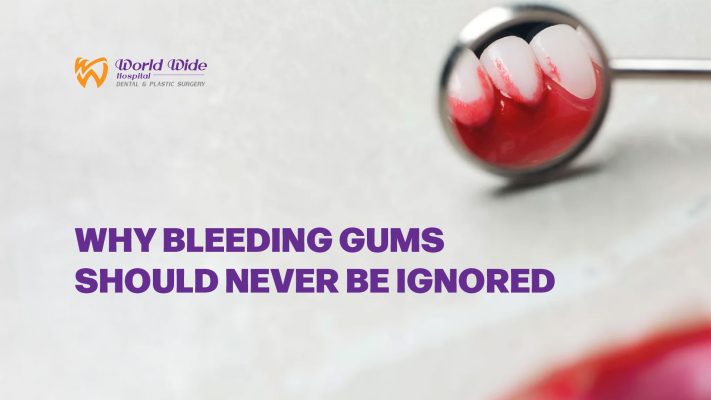
What Bleeding Gums Really Mean
A Warning Sign of Gum Inflammation
Healthy gums do not bleed. When bleeding occurs, it indicates that the gum tissues are inflamed due to plaque accumulation. Plaque is a sticky film full of bacteria that irritates the gums and makes them swell and bleed.
A Sign of Early Gum Disease
Bleeding gums are often the first stage of gum disease, known as gingivitis. If treated early, gingivitis is reversible. However, if ignored, it progresses to periodontitis, a more severe form of gum disease that damages the bone supporting teeth.
A Signal of Poor Oral Hygiene
When brushing and flossing are not effective, bacteria remain on the gumline, triggering inflammation. Bleeding is your body’s way of alerting you that the gums are fighting infection.
Common Causes of Bleeding Gums
Gingivitis
Gingivitis is the earliest stage of gum disease, caused by plaque buildup at the gumline. Symptoms include redness, swelling, and bleeding when brushing. Without professional cleaning, gingivitis can worsen.
Periodontitis
If gingivitis is left untreated, it advances to periodontitis, where bacteria spread deeper under the gums. This leads to:
- Bone loss
- Gum recession
- Loose teeth
- Chronic bad breath
Bleeding gums during this stage become more severe and persistent.
Poor Brushing or Flossing Technique
Brushing too aggressively or using a hard-bristle toothbrush can damage the gums. Flossing incorrectly may also irritate the gums temporarily, though bleeding should improve after a few days of consistent flossing.
Vitamin Deficiencies
Low levels of vitamin C or vitamin K can contribute to bleeding gums. These vitamins play important roles in wound healing and proper clotting.
Hormonal Changes
Hormonal fluctuations during pregnancy, puberty, menstrual cycles, or menopause increase gum sensitivity. This is why many pregnant women experience bleeding gums, known as “pregnancy gingivitis.”
Medication Side Effects
Certain medications—such as blood thinners—can increase gum bleeding. In these cases, dentists adjust treatment plans while communicating with your physician.
Smoking
Smoking reduces blood flow to the gums and weakens the immune response, making it harder for the gums to heal and easier for infections to develop.
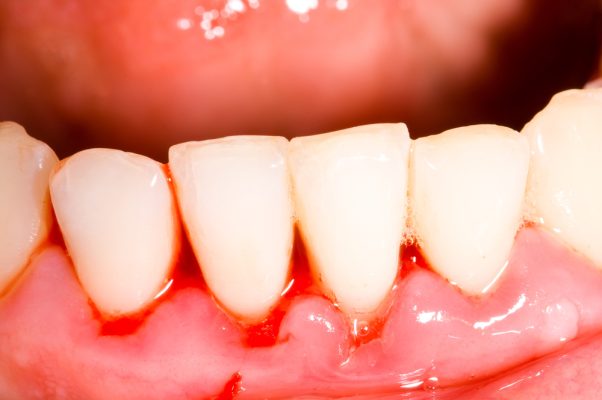
Why You Should Never Ignore Bleeding Gums
It Can Lead to Irreversible Bone Loss
Once gingivitis progresses to periodontitis, the bone around your teeth begins to deteriorate. Bone loss is irreversible without surgical intervention. Early treatment preserves both teeth and bone structure.
It May Indicate Hidden Infections
Bleeding can signal deeper gum pockets harbouring bacteria. These infections are often silent, progressing without pain until advanced stages.
It Can Result in Tooth Mobility or Tooth Loss
As supporting gum tissue and bone break down, teeth begin to loosen. Untreated gum disease is the leading cause of tooth loss in adults worldwide.
It Raises Bad Breath and Aesthetic Concerns
Bleeding gums often accompany chronic bad breath, a darkened gum colour, and a swollen appearance. These changes affect confidence and daily interactions.
It Can Affect Systemic Health
Studies have shown strong links between gum disease and:
- Heart disease
- Diabetes
- Stroke
- Respiratory conditions
Bleeding gums are not just a dental issue—they can reflect broader health concerns.
Early Treatment Saves Money and Time
Treating gingivitis is affordable and simple. Treating advanced periodontitis requires deep cleaning, antibiotics, gum surgery, or bone grafting—far more costly and time-consuming.
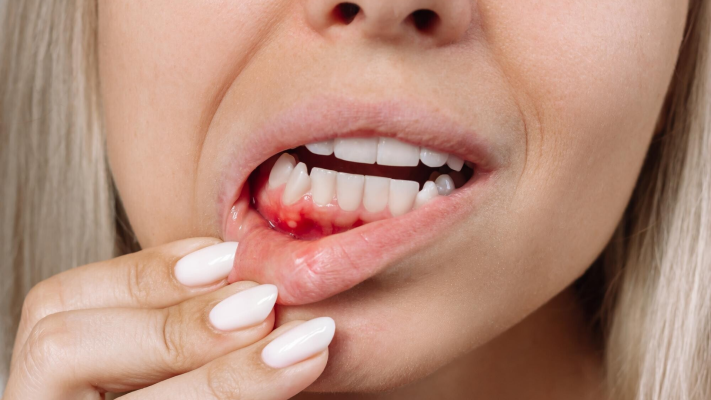
How a Dentist Diagnoses the Cause of Bleeding Gums
Visual Examination
A dentist checks for swelling, redness, plaque buildup, and recession to assess gum condition.
Periodontal Probing
A probe measures pocket depth around each tooth. Healthy gums have shallow pockets; deeper pockets indicate disease.
X-rays
X-rays reveal hidden bone loss or infection beneath the gums, helping diagnose early periodontitis.
Medical and Lifestyle Review
Dentists ask about:
- Medications
- Smoking habits
- Diet
- Pregnancy
- Underlying conditions
This helps identify secondary factors contributing to bleeding.
How to Treat Bleeding Gums Based on the Cause
Professional Cleaning
Scaling removes plaque and tartar from above and below the gumline. This is usually the first step in restoring gum health.
Deep Cleaning (Scaling & Root Planing)
For early periodontitis, dentists clean deeper pockets and smooth root surfaces, helping gums reattach and heal.
Antibacterial Rinses or Medication
Mouth rinses or localized antibiotics may be prescribed to control bacterial infection.
Improved Oral Hygiene Routine
Patients are guided on:
- Correct brushing technique
- Proper flossing
- Using interdental brushes
- Selecting soft-bristled toothbrushes
Lifestyle Adjustments
Quitting smoking, improving diet, and staying hydrated all contribute to better gum health.
Treatment of Deficiencies
Vitamin C or K supplementation may be recommended if blood tests confirm deficiencies.
Advanced Periodontal Treatments
For severe gum disease, surgical procedures such as flap surgery or bone grafting may be necessary to restore stability.

How to Prevent Bleeding Gums
Brush Twice a Day with Proper Technique
Use gentle circular motions and avoid brushing too hard, especially along the gumline.
Floss Daily
Removing plaque between teeth prevents gum inflammation.
Schedule Dental Cleanings Every 6 Months
Professional cleaning removes tartar that home care cannot eliminate.
Maintain a Balanced Diet
Vitamin-rich foods support gum strength and healing.
Avoid Smoking
Smoking restricts blood flow to the gums and increases infection risk.
Use Mouthwash
Antibacterial mouthwash helps control plaque buildup.
Monitor Hormonal Changes
Pregnant patients or those experiencing hormonal shifts should schedule additional checkups as needed.
Why Worldwide Dental Hospital Is a Trusted Choice for Gum Care
Worldwide Dental Hospital provides comprehensive periodontal care for both local and international patients. The team combines experience, advanced technology, and patient-centered care to ensure accurate diagnosis and effective treatment.
Advanced Diagnostic Tools
Digital X-rays and 3D imaging for thorough evaluation.
Experienced Periodontists
Dentists specialized in gum disease offer tailored treatment plans.
Gentle, Comfortable Treatment
Modern techniques minimize discomfort during deep cleaning and periodontal therapy.
Clear Communication
English-speaking staff guide patients through every step, ensuring comfort and understanding.
Preventive Care Programs
Customised care plans help patients maintain long-term gum health and avoid recurrence.

Conclusion
Bleeding gums should never be taken lightly. They are one of the body’s earliest signals that gum health is compromised. By seeking timely care, practising proper oral hygiene, and understanding risk factors, you can prevent bleeding gums from progressing into serious dental issues.
For reliable diagnosis and professional treatment, Worldwide Dental Hospital offers advanced periodontal care with an experienced international team.
📞 Contact Worldwide Dental Hospital: (+84) 922.253.888
Take the first step toward healthier gums today.